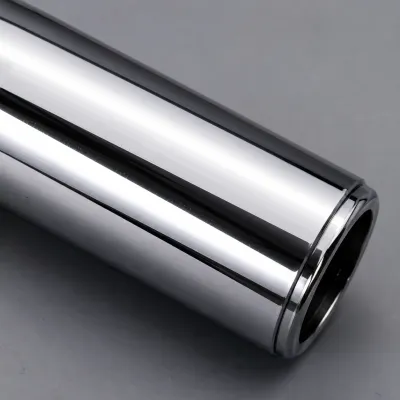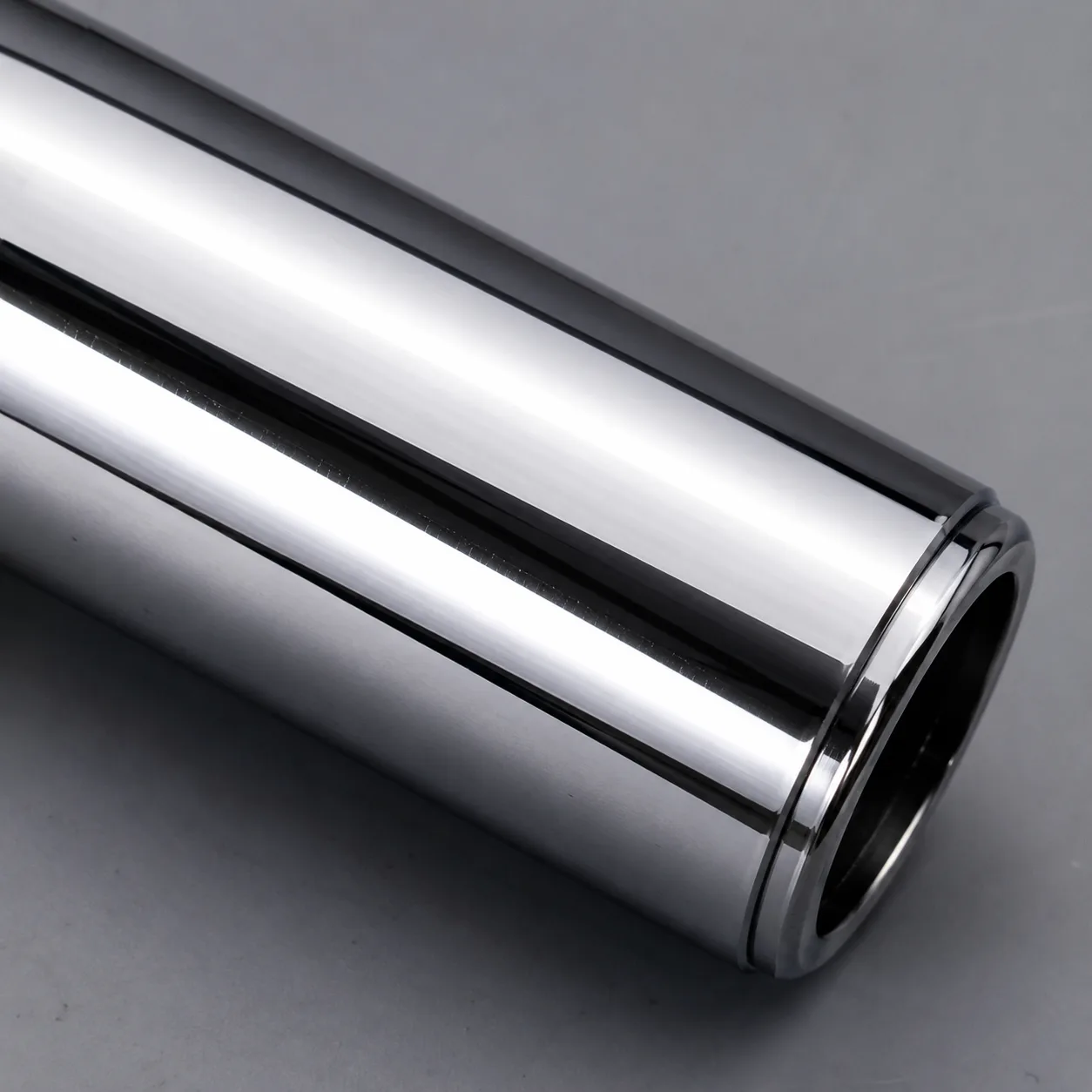
Nickel / Chrome Electroplating
Nickel or chromium layers deposited electrolytically onto metal substrates. Provides corrosion protection, decorative appearance, and wear resistance.
Key Parameters
Recommended Base Materials
Decorative hardware, automotive trim, electrical contacts
Pairs with these materials
What to specify on your drawing
- Zinc plating colour: clear/white, yellow or black — a specification line, not a finish-side guess
- Which areas mask (threads, contact surfaces) and whether hydrogen embrittlement relief applies to hardened parts
- The duty the plating must cover — indoor cosmetic, humid industrial or outdoor-adjacent changes the recommendation
- Whether plated or hot-dip: for outdoor duty we usually recommend galvanised sheet (SGCC) over post-plating instead
Factory Work Sequence
Alkaline cleaning, acid activation, and copper strike for adhesion
Sulfamate nickel plating for corrosion barrier and leveling
Chromium flash for decorative finish and surface hardness
Advantages
- Bright, mirror-like chrome finish for high-end decorative applications
- Excellent corrosion resistance, especially with nickel underlayer
- Uniform coating thickness even on complex geometries
Limitations
- Requires copper/nickel underlayers for adhesion on steel — multi-step process
- Environmental concerns with hexavalent chromium (trivalent alternatives available)
Apply this finish?
Upload STEP files to our automated Estimator for custom thickness allowances and lead time quotes.
Also in this category
Electroplating deposits a metal layer — zinc, nickel, chrome, copper or tin — onto the sheet metal surface. It is the usual finish where electrical conductivity, solderability or sacrificial corrosion protection matters, and it is applied after forming, never before.
Choosing the deposit by function, not by appearance
Zinc protects steel sacrificially and is the standard answer for electrical enclosures and hardware. Nickel and chrome are specified for wear and appearance. Tin is chosen for solderability and for low-resistance contact. Copper is used as a conductive underlayer or for its conductivity in its own right. The choice follows the function, and appearance is usually the secondary benefit.
Zinc plating and contact faces do not mix
A plated joint has different resistance behaviour under clamp load and can loosen over time, so busbar and bonding contact faces are normally masked and left bare. That is why a current-carrying part has a defined plated area and a defined bare area on the drawing — a plating specification without masking instruction is incomplete.
Hydrogen embrittlement, and when it is a real risk
Acid pickling before plating introduces hydrogen into high-strength steel, and on tensile grades above roughly 1,000 MPa that can cause delayed brittle failure. Where the material is that strong, the process sequence and a post-plating bake have to be specified rather than assumed. On ordinary sheet-metal grades the risk is low, which is why it is easy to overlook until it matters.
Form first, plate second
A plated surface cracks at every bend, and the crack exposes unplated substrate at the worst place — the outside of the deformation. Plating is therefore a final operation after all forming. A drawing that asks for a formed plated part has specified a sequence that cannot be reversed.
Deposit by function
| Deposit | Why it is specified | Note |
|---|---|---|
| Zinc | Sacrificial protection for steel | The default for enclosures; cut edges stay protected |
| Zinc-nickel | Higher corrosion resistance than zinc | Higher cost; for aggressive environments |
| Nickel | Wear resistance and appearance | Often specified on hardware and inserts |
| Chrome | Hardness and decorative brightness | Decorative chrome is thin; hard chrome is a different specification |
| Tin | Solderability and low-resistance contact | Common on busbars and connector tabs |
| Copper | Conductivity, or as an underlayer | Also selects for its thermal conductivity |
Specifications this finish is worked to
These are specifications the finish is specified against. They are not certifications held by WERIX — ISO 9001 is the only management-system certification we hold.
What to put on your drawing
- The deposit and, where a standard applies, the class and thickness.
- Which areas are masked and left bare — specifically every electrical contact and bonding face.
- Whether a post-plating bake is required, if the steel grade is high-tensile.
- That plating follows all forming operations, not precedes them.
- Any solderability or contact-resistance requirement that drove the deposit choice.
Frequently asked
Should a busbar contact surface be plated?
Not at the contact itself. Plating the contact changes the joint resistance behaviour under clamp load and can loosen over time. The accepted practice is to mask the contact areas so they stay bare, and plate the rest to stop the surface oxidising.
What is the difference between zinc and zinc-nickel?
Corrosion resistance. Zinc-nickel withstands more aggressive environments, at a higher cost. For ordinary indoor and sheltered enclosures, zinc is adequate; for coastal or chemically exposed service, zinc-nickel is usually specified.
Does plating cover sheared and cut edges?
Electroplating does deposit onto exposed edges because the whole part is immersed, so the cut edge is protected. That is an advantage over painting, where the edge is exactly where a barrier film fails first.
Can you plate a part after it has been bent and welded?
Yes, and that is the correct sequence — plating is a final operation. Forming or welding a plated part damages the deposit at every deformation and along every heat-affected zone.
Related reading
Finish guides
Read the Electroplating guide
The specs, standards and drawing notes above give the numbers. The guide gives the reasoning behind them — how the finish behaves on the shop floor, where it fits, and where it does not.