
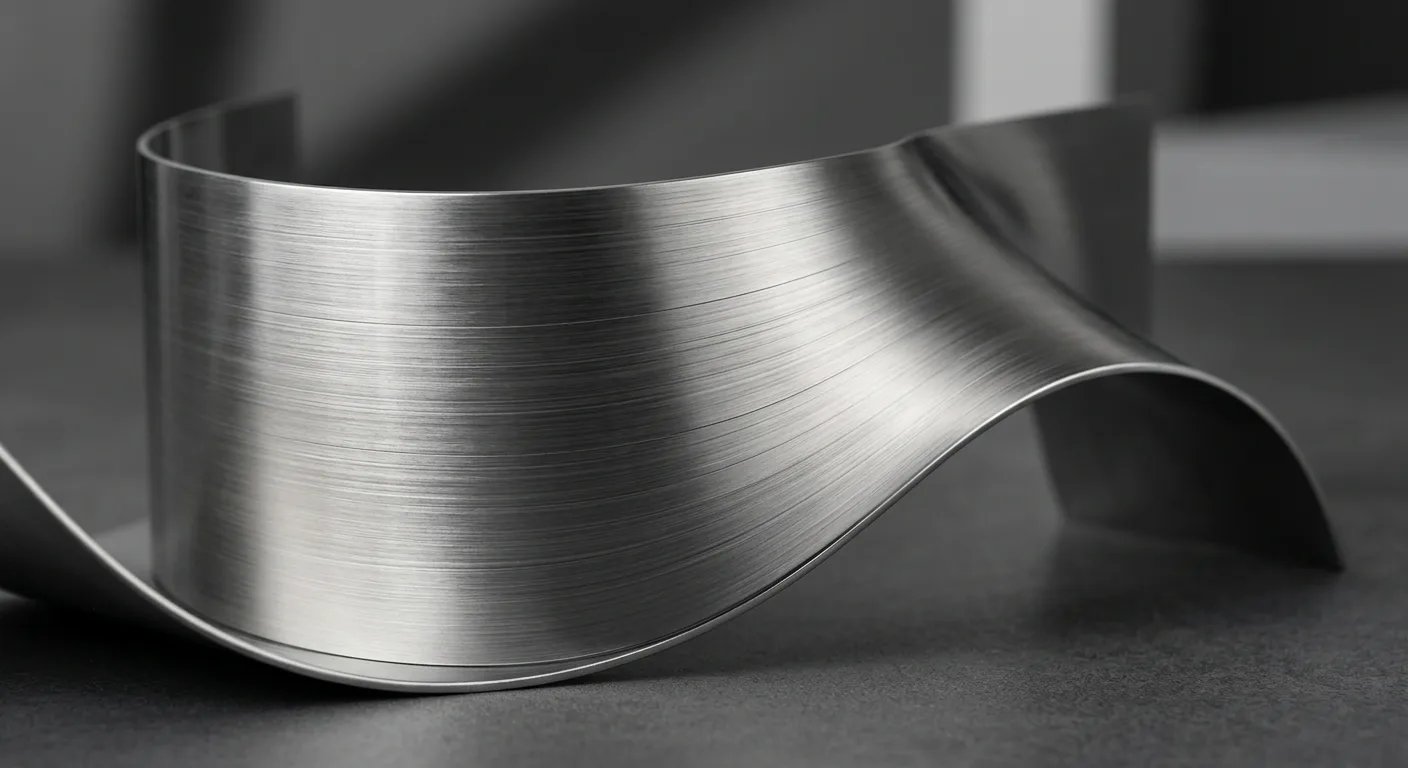
Brushed stainless steel 304 sheet metal — surface finishing sample for material selection
Precision Material Database

Sheet Metal
Material Library

Explore mechanical properties, chemical composition, and optimal coating pairings for 8 precision-grade alloys.

WERIX Metal
20
Alloys
4
Families
0.3-5.0mm
Thickness Range
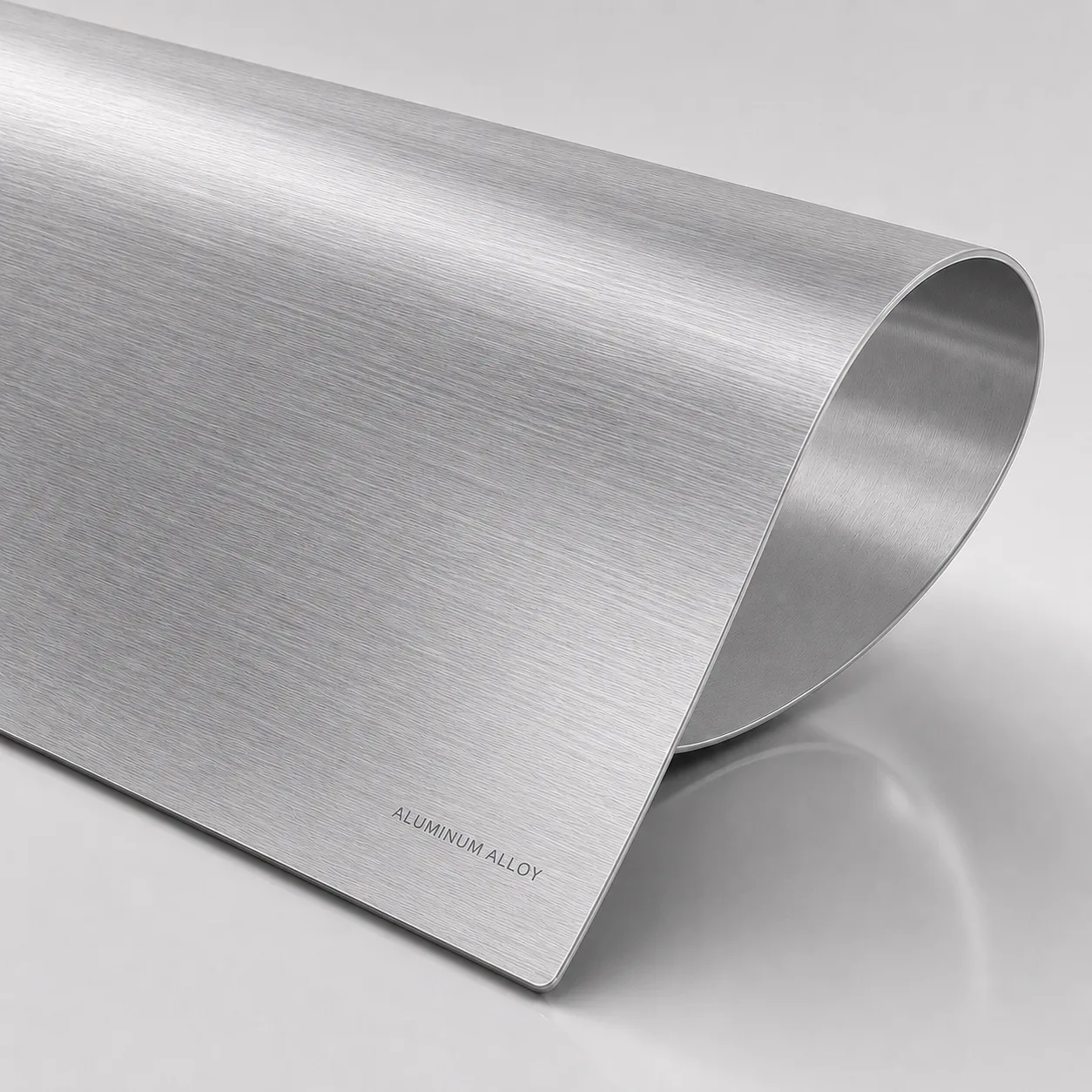
Aluminum 5052 (Marine Grade)
AL5052-H32
Aluminum Alloy

Aluminum 5052 (Marine Grade)

The most widely used alloy for precision sheet metal. Excellent strength-to-weight ratio, outstanding formability, and superior marine-atmosphere corrosion resistance.

UTS
228 MPa
Yield
193 MPa
Elon.
12%
0.5mm – 5.0mm
Read the AL5052-H32 guide
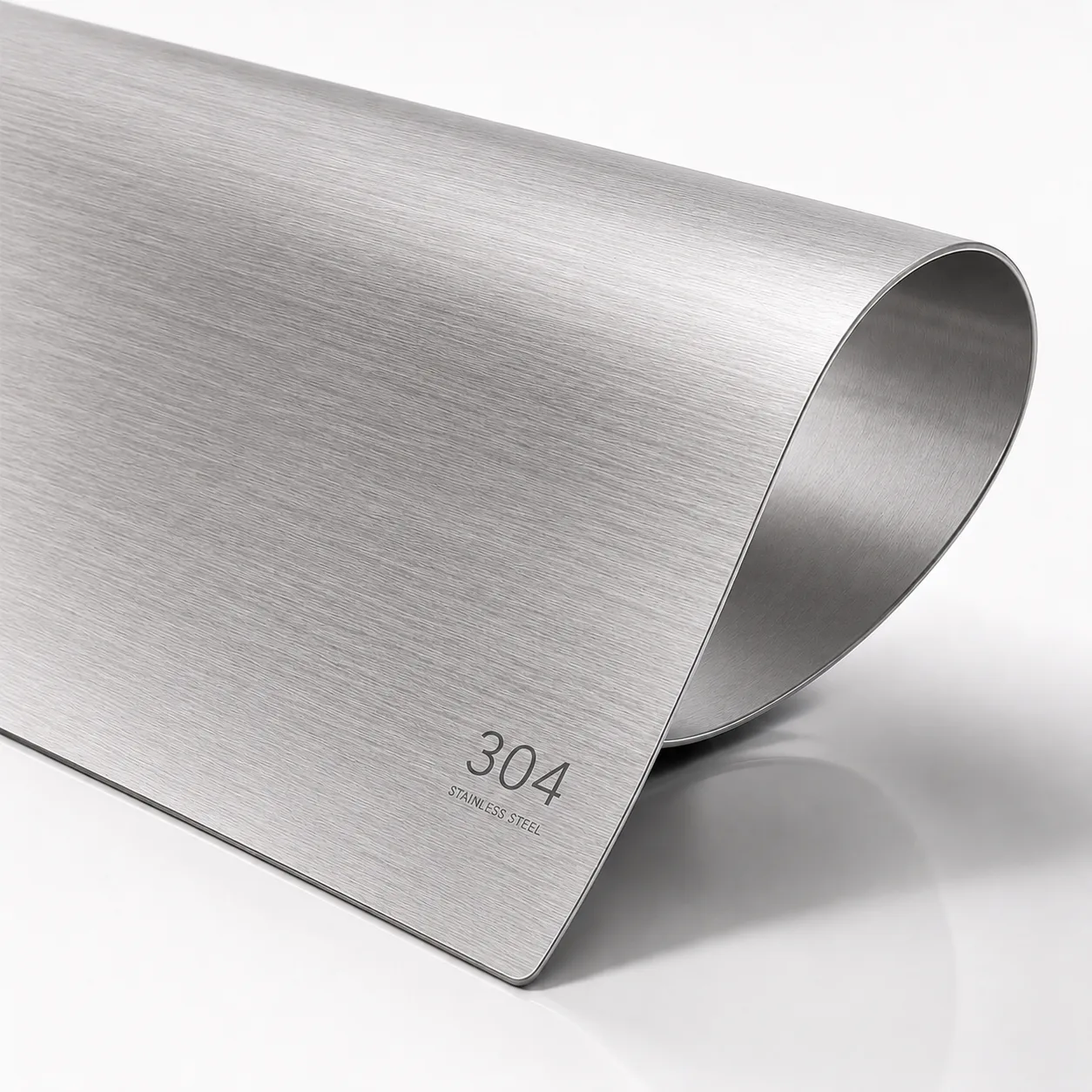
Structural Aluminum 6061
AL6061-T6
Aluminum Alloy

Structural Aluminum 6061

Heat-treated silicon-magnesium aluminum with high structural strength. Widely used for CNC machining and bending with adequate radii.
UTS
310 MPa
Yield
276 MPa
Elon.
12%
1.0mm – 6.0mm
Read the AL6061-T6 guide
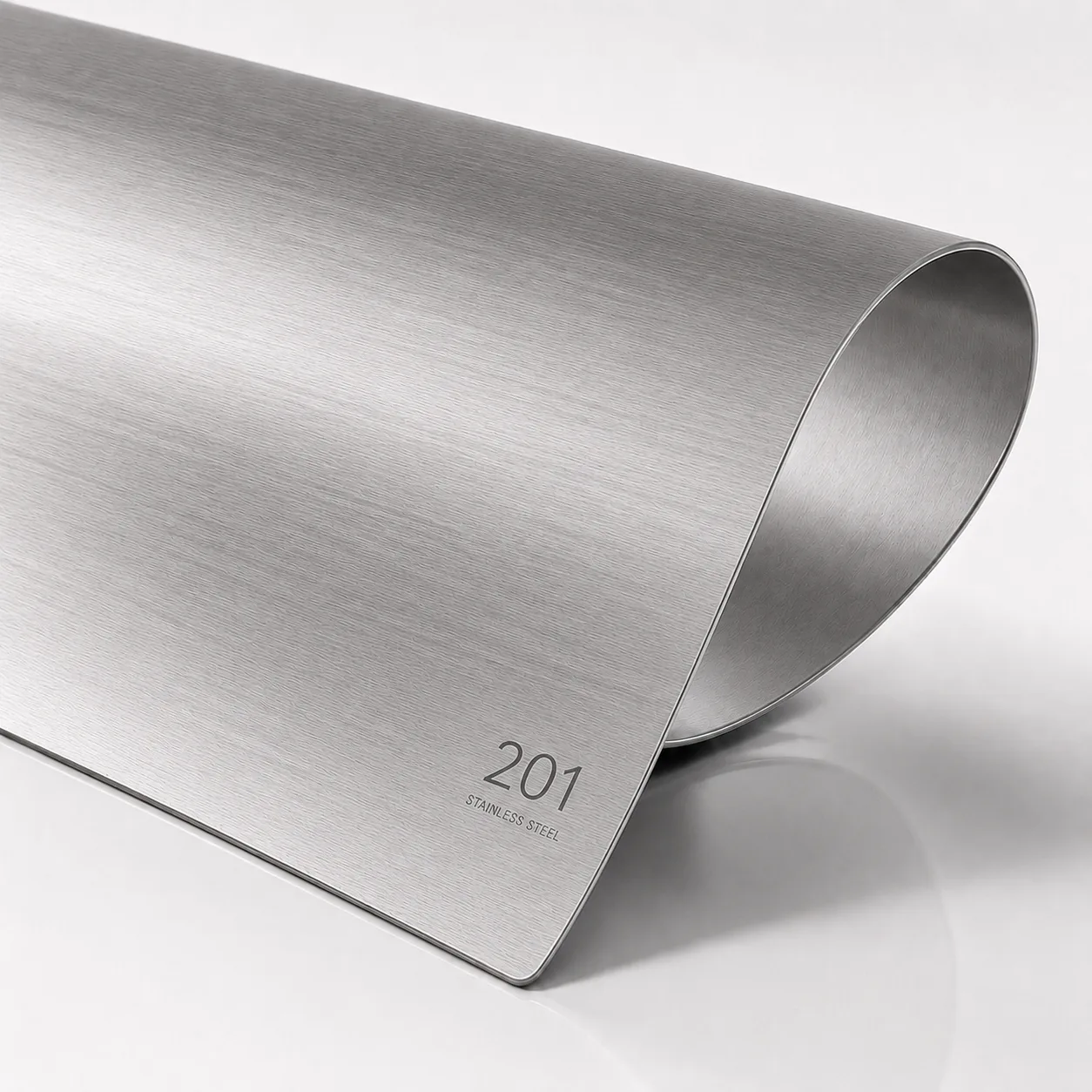
Stainless Steel 304 (V2A)
SUS304
Stainless Steel

Stainless Steel 304 (V2A)

Versatile chromium-nickel austenitic stainless steel with excellent ductility, toughness, and corrosion resistance. Widely used in food, medical, and industrial applications.
UTS
515 MPa
Yield
205 MPa
Elon.
40%
0.5mm – 4.0mm
Read the SUS304 guide
Stainless Steel 201 (Economy)
SUS201
Stainless Steel

Stainless Steel 201 (Economy)

Manganese-substituted austenitic stainless steel offering a cost-effective alternative to 304. Widely used in decorative and general-purpose fabrication.
UTS
520 MPa
Yield
260 MPa
Elon.
40%
0.3mm – 5.0mm
Read the SUS201 guide
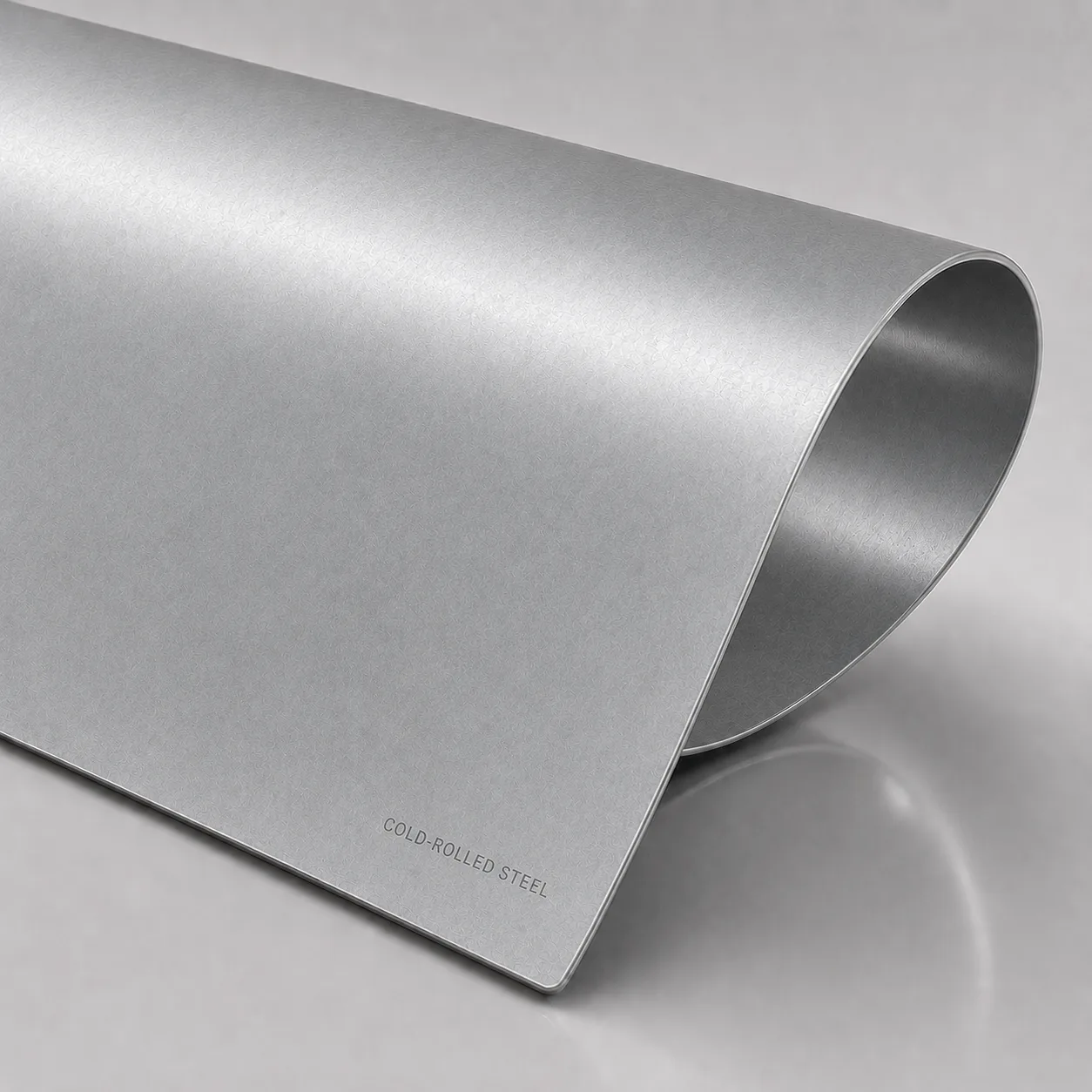
Cold Rolled Carbon Steel (SPCC)
SPCC-SD
Carbon Steel

Cold Rolled Carbon Steel (SPCC)

Commercial-quality cold-rolled mild steel with excellent dimensional accuracy and smooth surface finish. Requires protective coating for corrosion resistance.
UTS
270 MPa
Yield
210 MPa
Elon.
32%
0.4mm – 3.0mm
Read the SPCC-SD guide
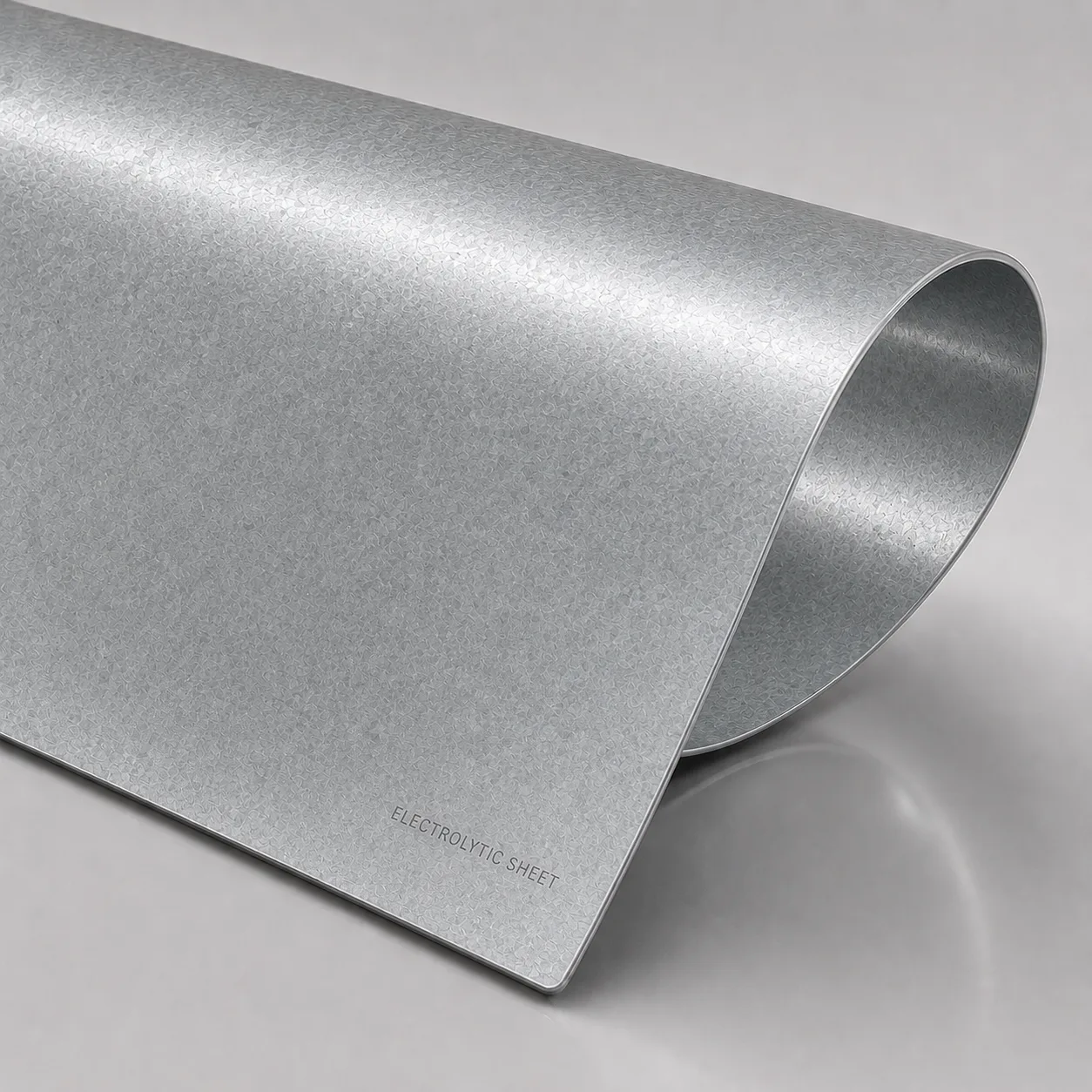
Electro-Galvanized Steel (SECC)
SECC-N5
Carbon Steel

Electro-Galvanized Steel (SECC)

Cold-rolled steel with uniform electroplated zinc coating providing sacrificial corrosion protection. Ideal for indoor and mild outdoor applications.
UTS
270 MPa
Yield
210 MPa
Elon.
32%
0.4mm – 2.0mm
Read the SECC-N5 guide
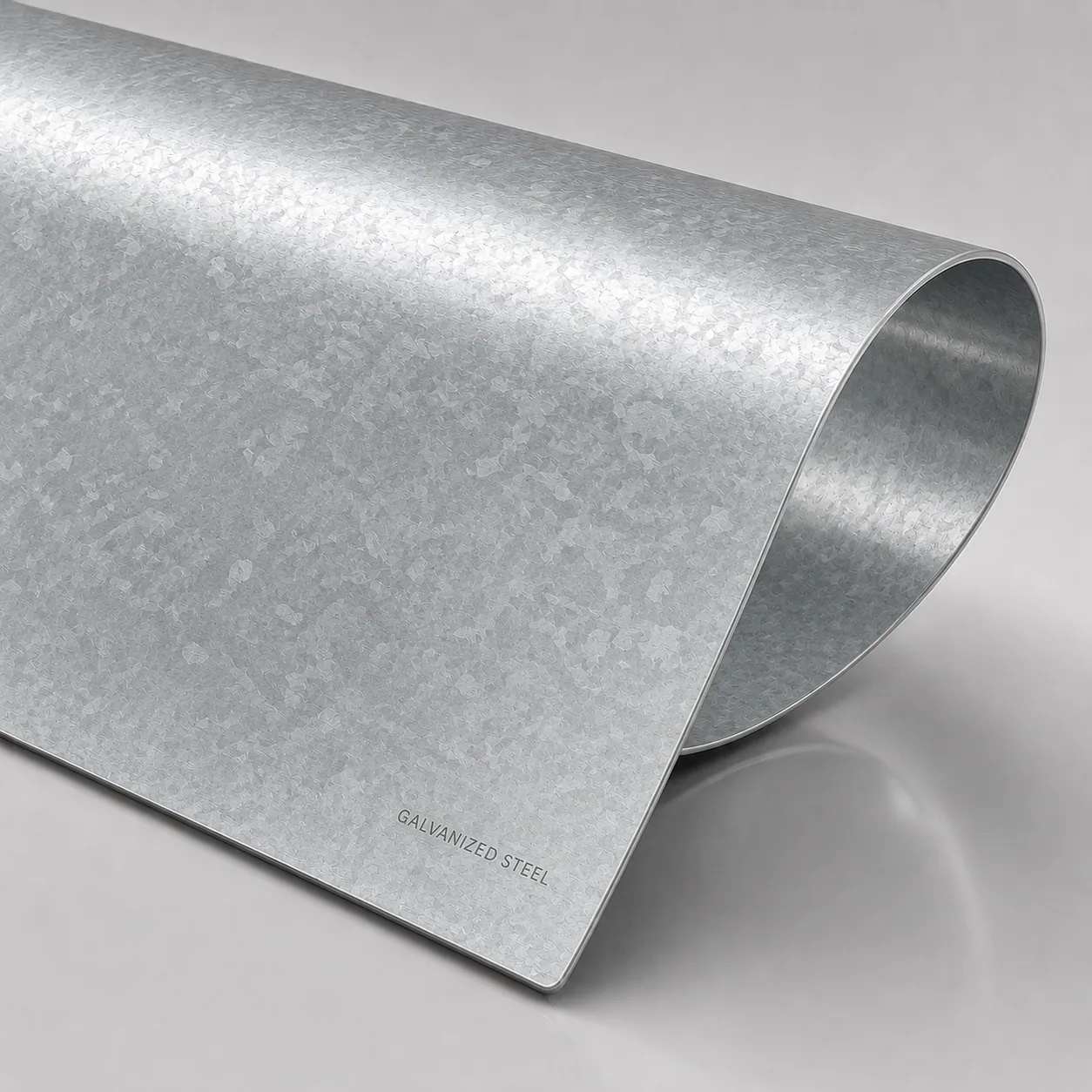
Galvanized Steel Sheet (SGCC)
SGCC-Z80
Carbon Steel

Galvanized Steel Sheet (SGCC)

Steel with hot-dip zinc coating for outdoor corrosion protection. The zinc layer acts as both barrier and sacrificial anode.
UTS
300 MPa
Yield
230 MPa
Elon.
28%
0.5mm – 3.0mm
Read the SGCC-Z80 guide
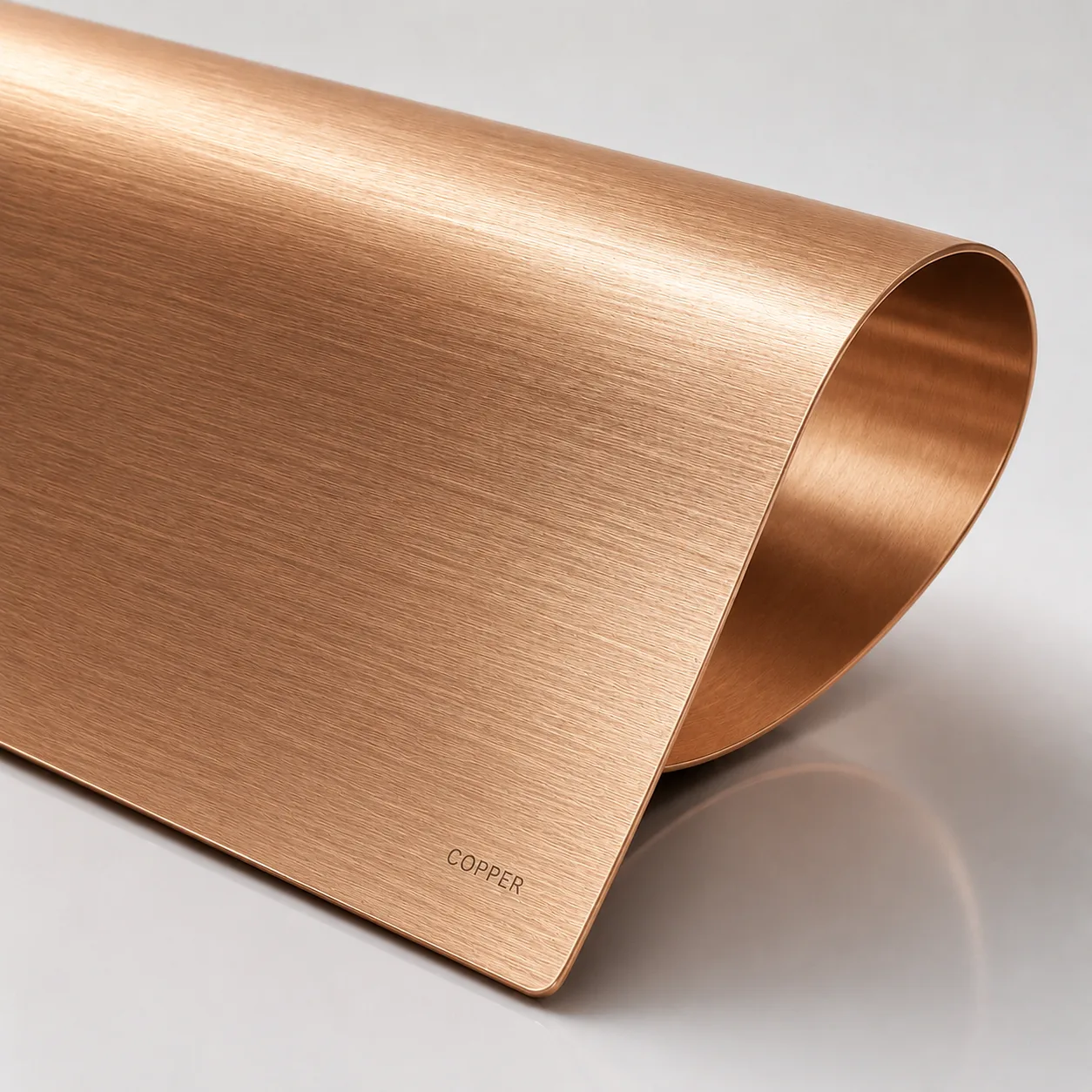
Pure Copper C110 (ETP)
C11000
Copper Alloy

Pure Copper C110 (ETP)

Electrolytic tough pitch copper with exceptional electrical and thermal conductivity. The material of choice for electrical busbars and heat transfer applications.
UTS
220 MPa
Yield
69 MPa
Elon.
45%
0.5mm – 3.0mm
Read the C11000 guide
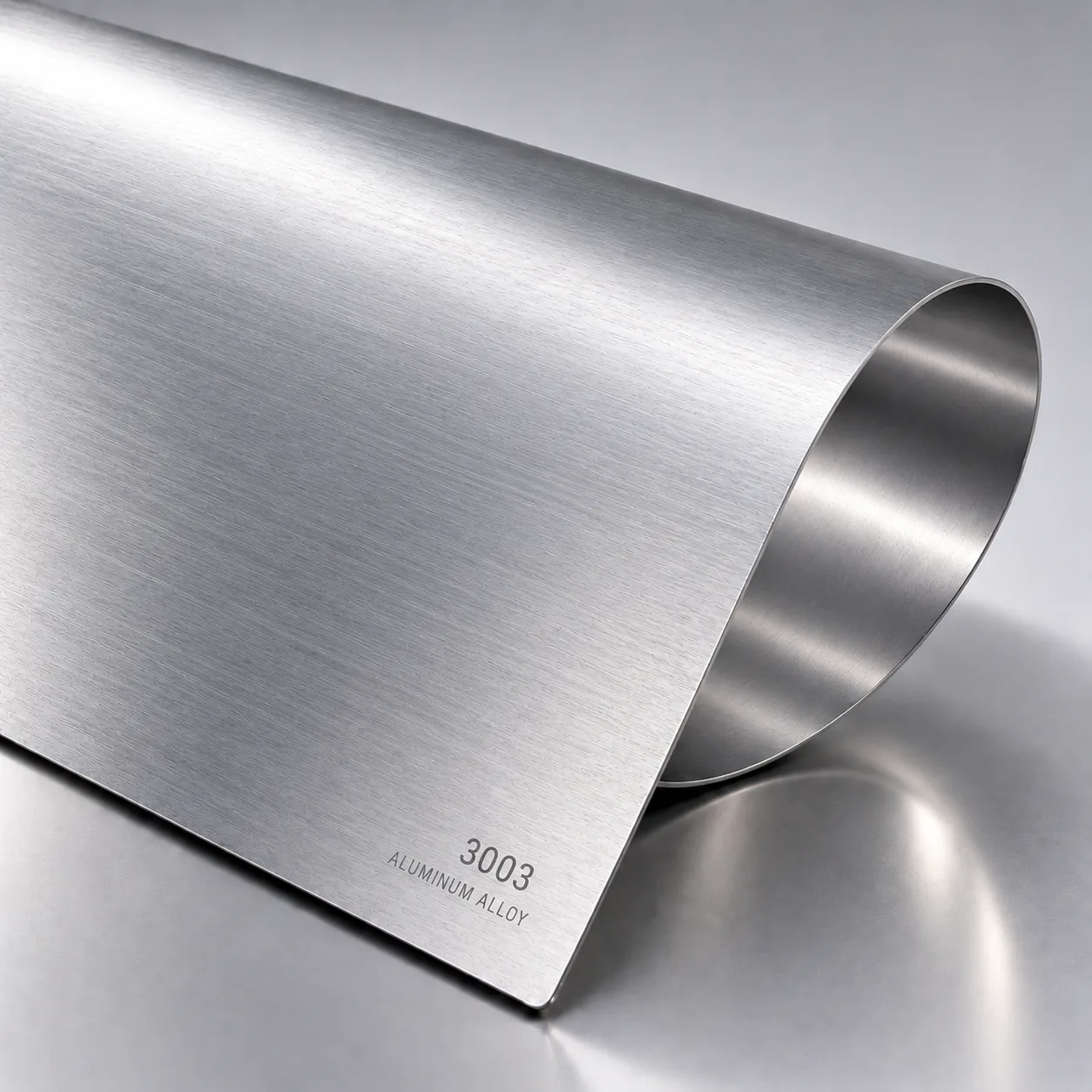
Aluminum 3003 (General Purpose)
AL3003-H14
Aluminum Alloy

Aluminum 3003 (General Purpose)

The most economical workhorse aluminium alloy for formed sheet metal. Excellent corrosion resistance and formability, widely used for enclosures, panels and decorative parts where high strength is not required.
UTS
150 MPa
Yield
125 MPa
Elon.
10%
0.3mm – 5.0mm
Read the AL3003-H14 guide
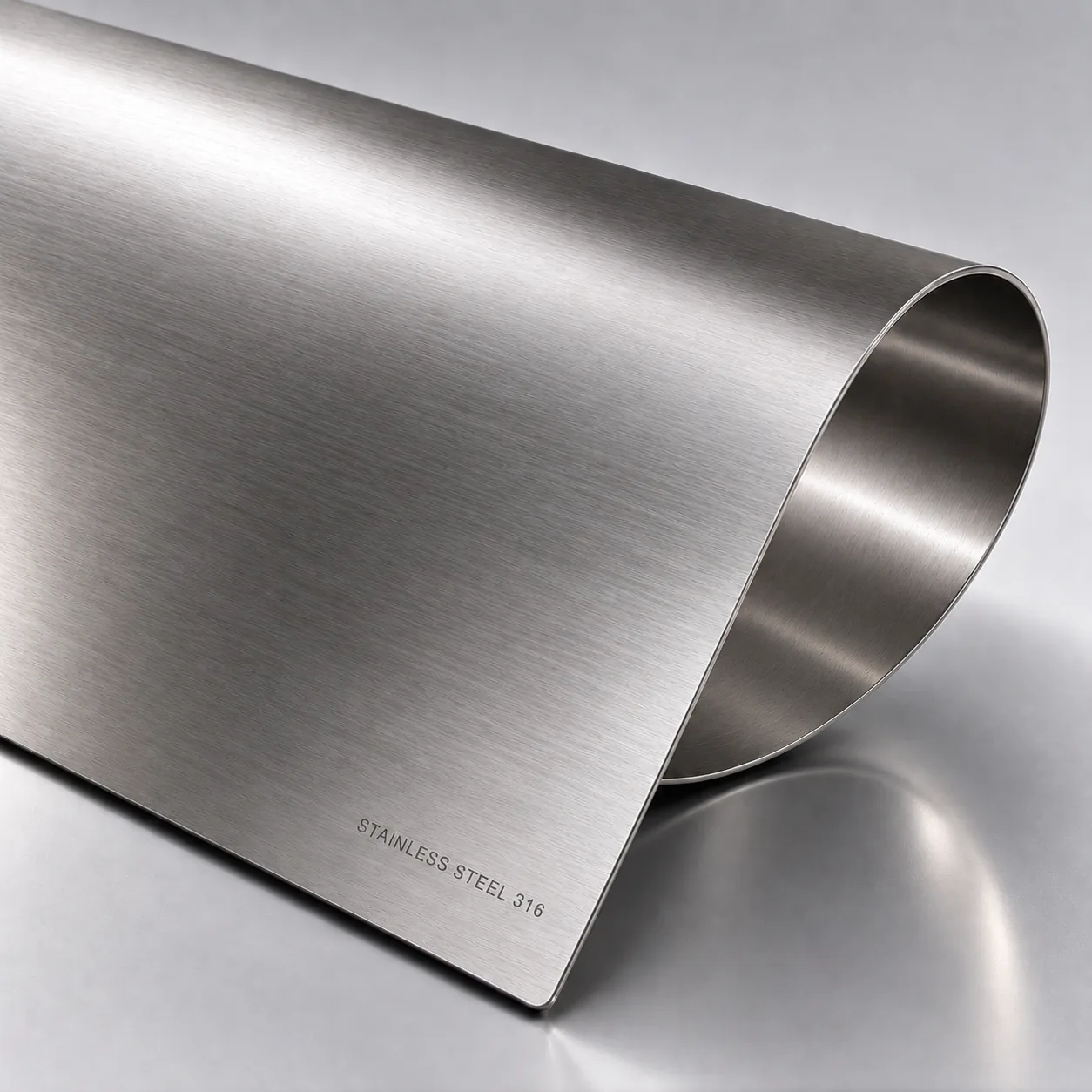
Stainless Steel 316 (Marine Grade)
SUS316
Stainless Steel

Stainless Steel 316 (Marine Grade)

Molybdenum-bearing austenitic stainless steel with superior corrosion resistance to 304, especially against chlorides and marine environments. The preferred grade for coastal, chemical and medical duty.
UTS
580 MPa
Yield
290 MPa
Elon.
50%
0.3mm – 5.0mm
Read the SUS316 guide
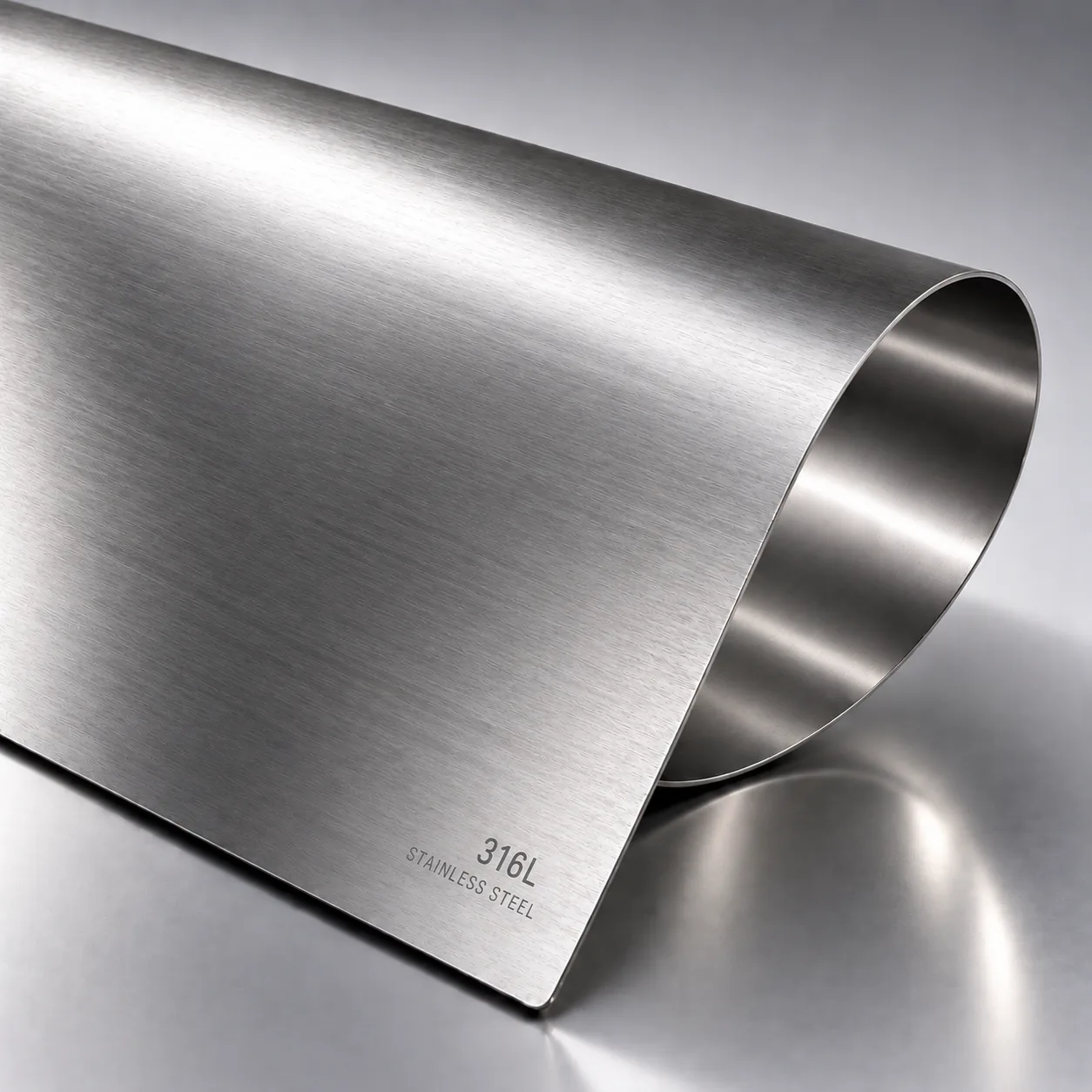
Stainless Steel 316L (Low Carbon)
SUS316L
Stainless Steel

Stainless Steel 316L (Low Carbon)

The low-carbon variant of 316, optimised for welded construction. The reduced carbon content prevents sensitization and intergranular corrosion in the heat-affected zone, so post-weld heat treatment is rarely needed.
UTS
560 MPa
Yield
215 MPa
Elon.
50%
0.5mm – 4.0mm
Read the SUS316L guide
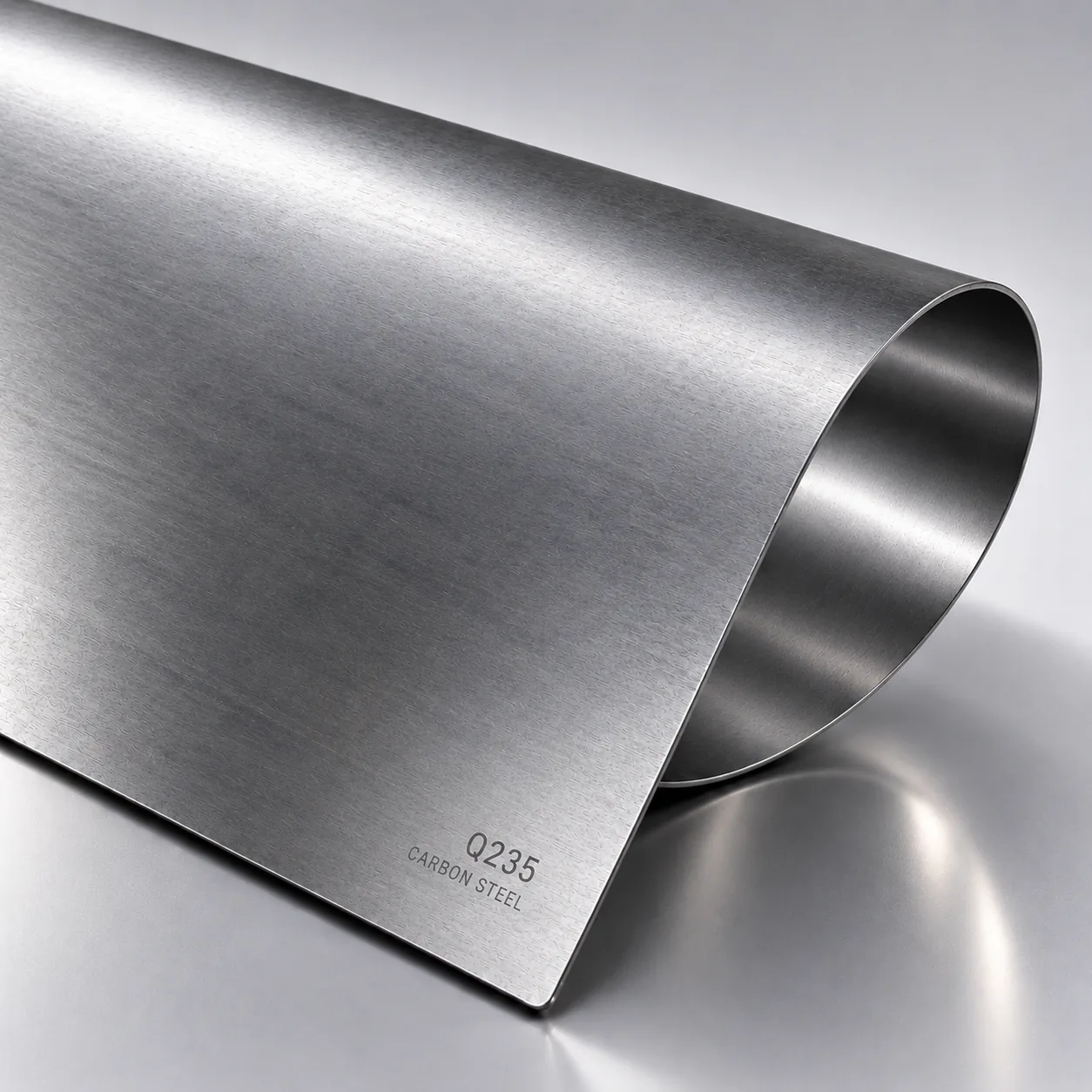
Structural Carbon Steel Q235
Q235
Carbon Steel

Structural Carbon Steel Q235

The most widely used Chinese structural carbon steel, the equivalent of A36 / S235JR. Excellent weldability and economy for load-bearing brackets, frames and structural sheet parts that are protected by a finish.
UTS
400 MPa
Yield
235 MPa
Elon.
26%
0.3mm – 5.0mm
Read the Q235 guide
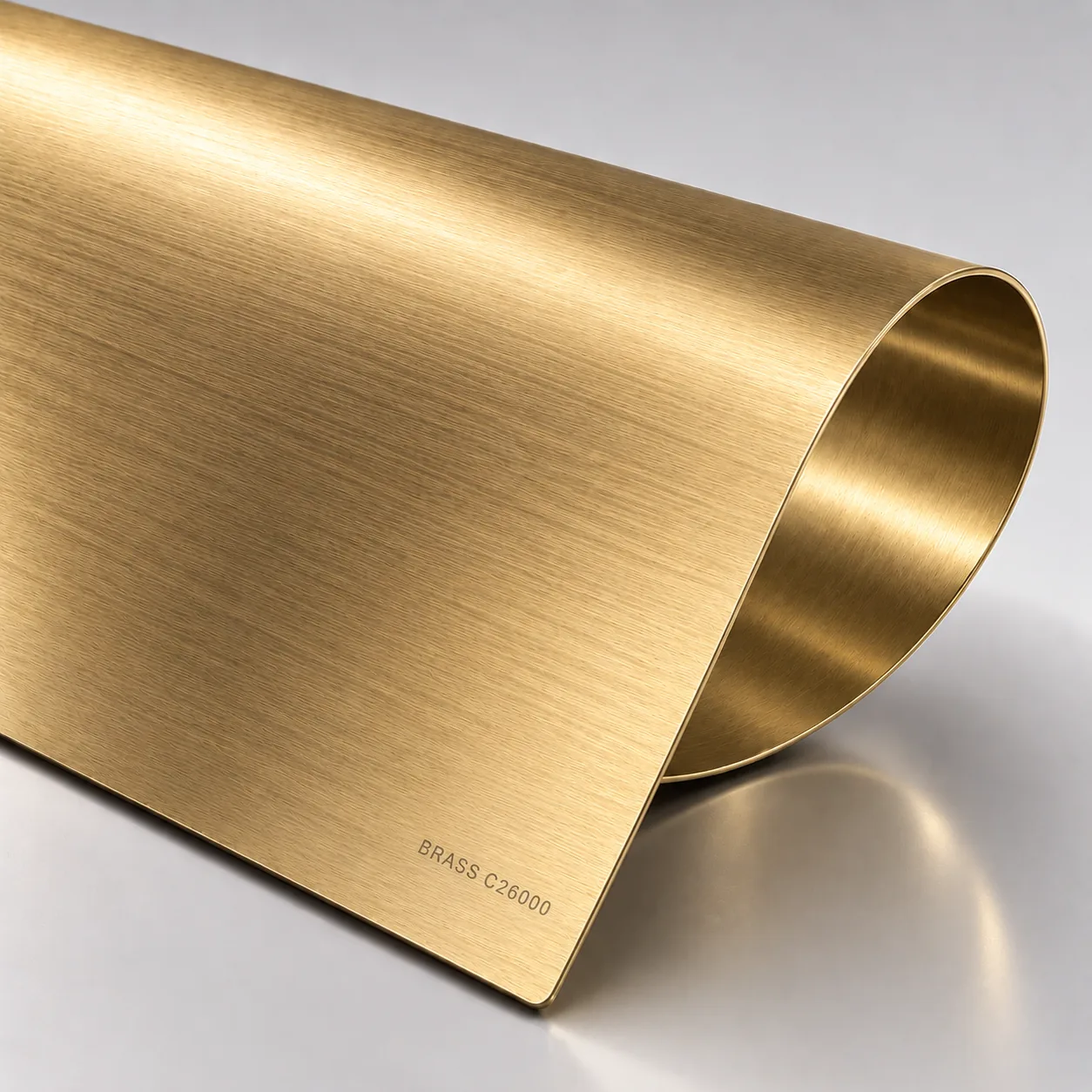
Cartridge Brass C26000 (70/30)
C26000
Copper Alloy

Cartridge Brass C26000 (70/30)

The classic 70/30 brass — 70% copper, 30% zinc — offering the best balance of ductility and strength of the brasses. Ideal for deep-drawn shells, decorative hardware and electrical contacts.
UTS
400 MPa
Yield
125 MPa
Elon.
40%
0.4mm – 2.0mm
Read the C26000 guide
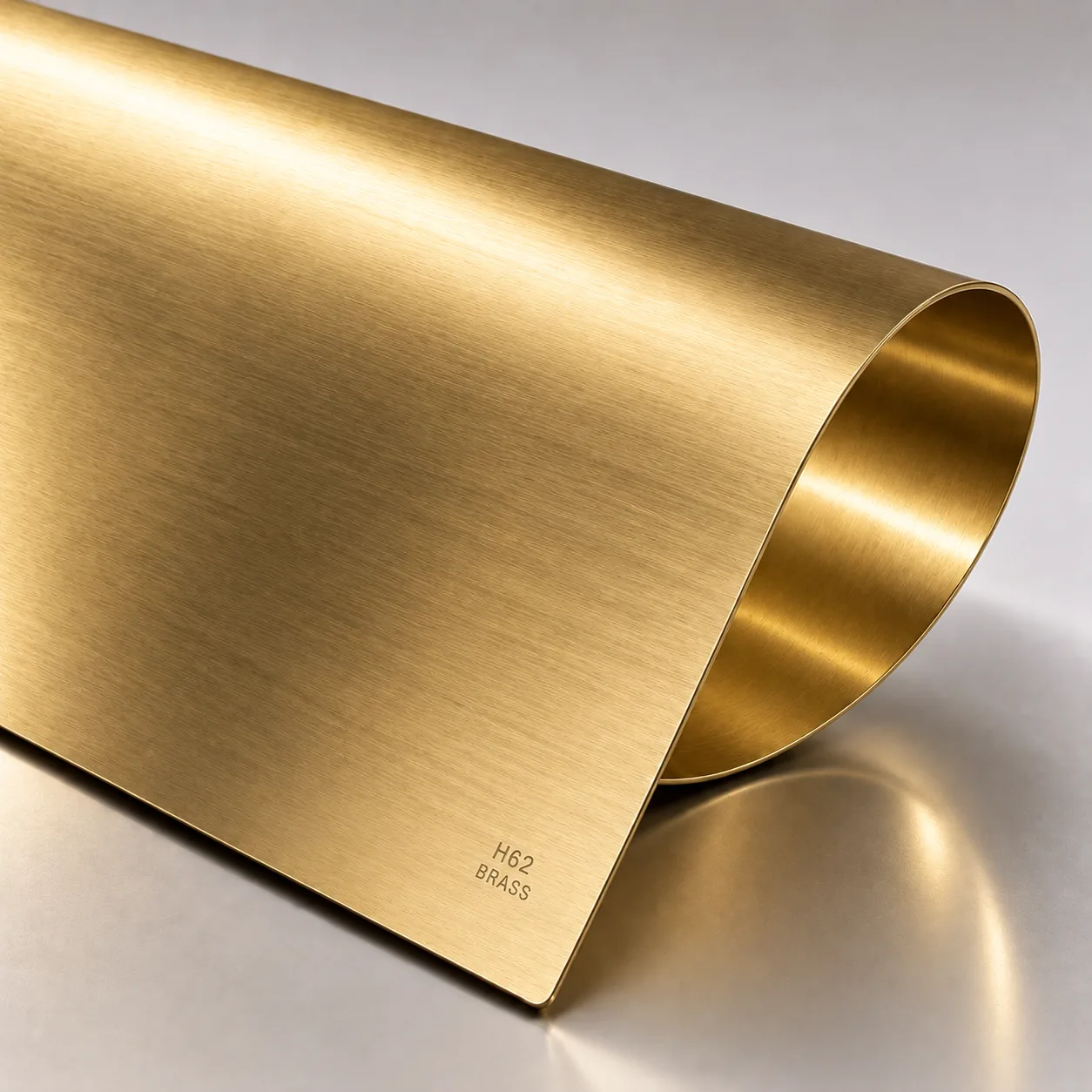
Brass H62 (60/40)
H62
Copper Alloy

Brass H62 (60/40)

The most common Chinese brass grade (about 60% copper, 40% zinc). Lower cost and slightly higher strength than 70/30 brass, well suited to stamping, machining and general decorative and structural brass parts.
UTS
410 MPa
Yield
150 MPa
Elon.
40%
0.3mm – 5.0mm
Read the H62 guide
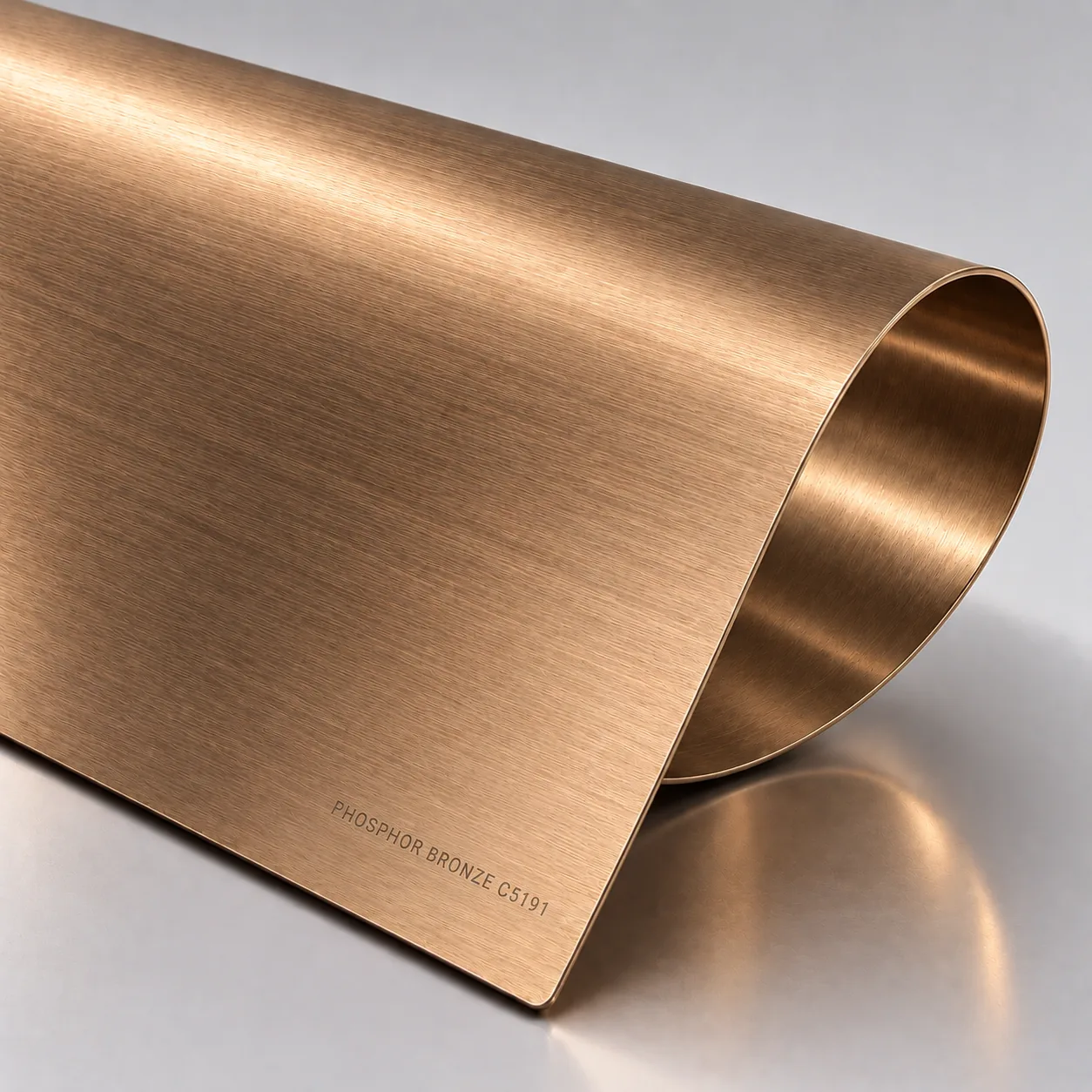
Phosphor Bronze C5191 (Spring Grade)
C5191
Copper Alloy

Phosphor Bronze C5191 (Spring Grade)

A copper-tin-phosphorus alloy prized for high strength, fatigue resistance and spring properties. The standard material for electrical springs, connectors and wear strips that must keep their shape.
UTS
550 MPa
Yield
450 MPa
Elon.
12%
0.1mm – 1.0mm
Read the C5191 guide
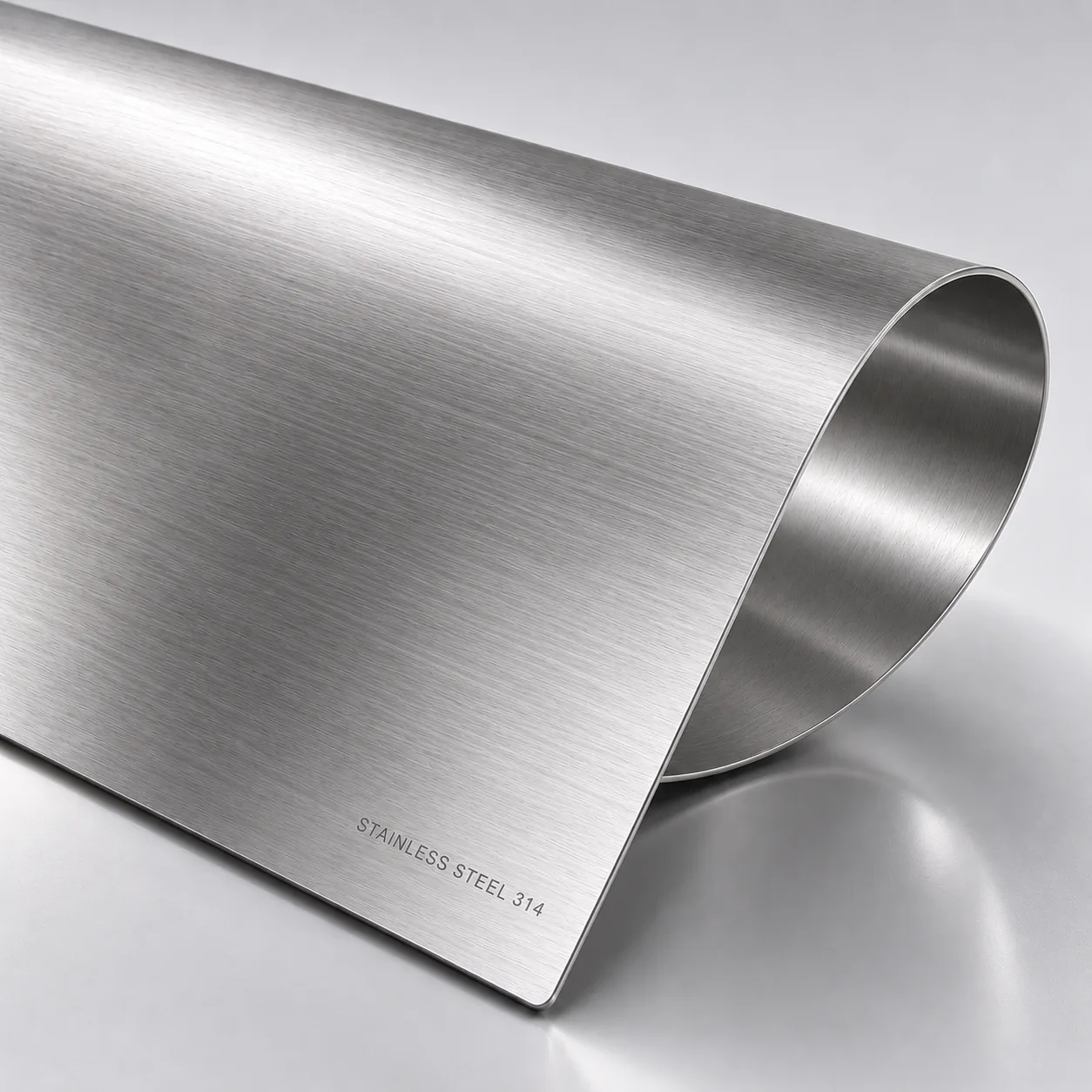
Stainless Steel 314 (Heat Resistant)
SUS314
Stainless Steel

Stainless Steel 314 (Heat Resistant)

A high-chromium, high-nickel, silicon-bearing austenitic stainless steel built for high-temperature service. The added silicon forms an adherent scale-resistant oxide, making it the grade for furnace parts, heat shields and continuous high-heat duty.
UTS
620 MPa
Yield
310 MPa
Elon.
40%
0.3mm – 5.0mm
Read the SUS314 guide
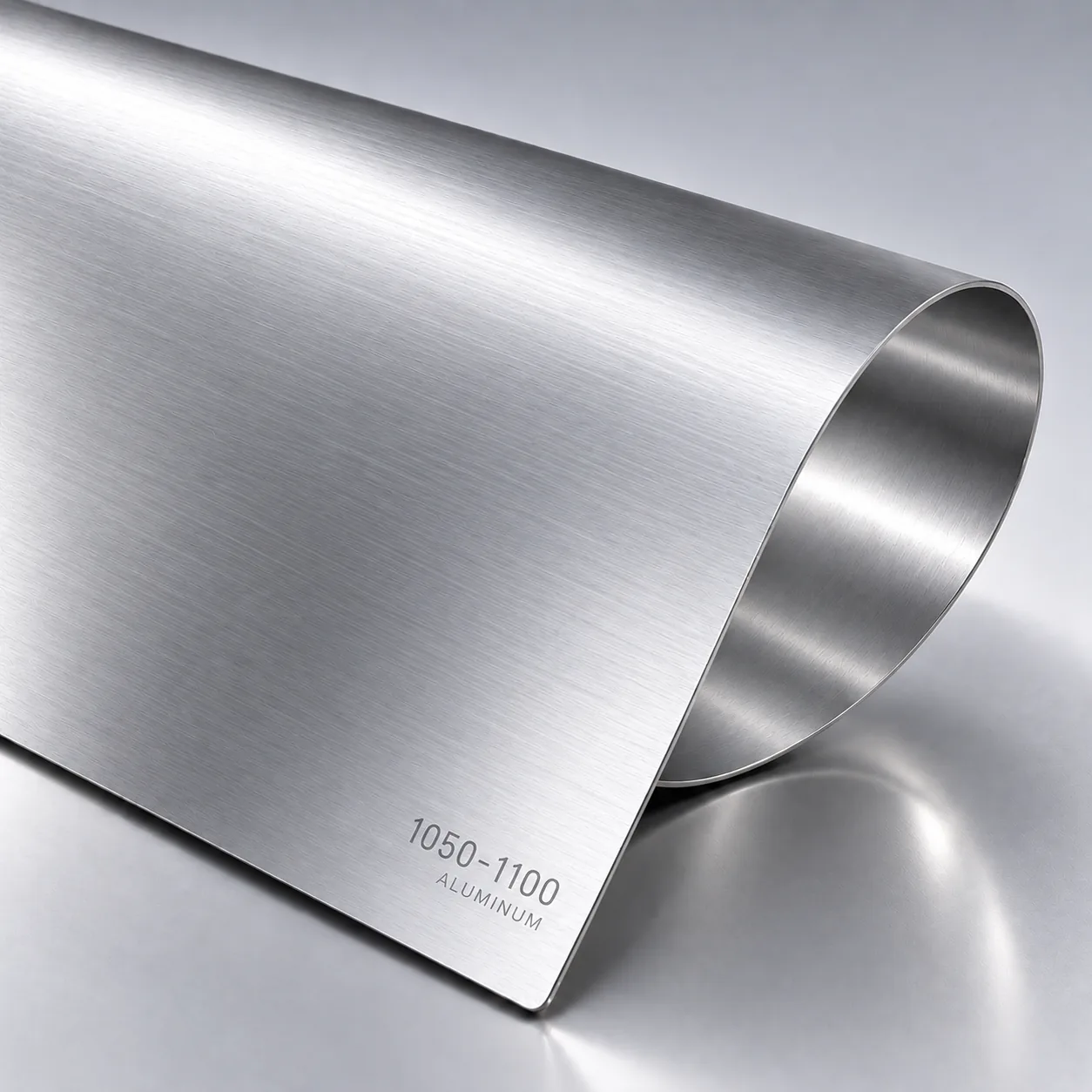
Aluminium 1050 / 1100 (O temper)
1050-O / 1100-O
Aluminum Alloy

Aluminium 1050 / 1100 (O temper)

Commercially pure aluminium in the annealed O temper, with at least 99.0% aluminium content. Very little alloying means no precipitation-hardening response, so it is chosen for formability, weldability and a clean finish rather than for strength.
UTS
60–110 MPa
Yield
15–40 MPa
Elon.
25–35%
0.5mm – 3.0mm
Read the 1050-O / 1100-O guide
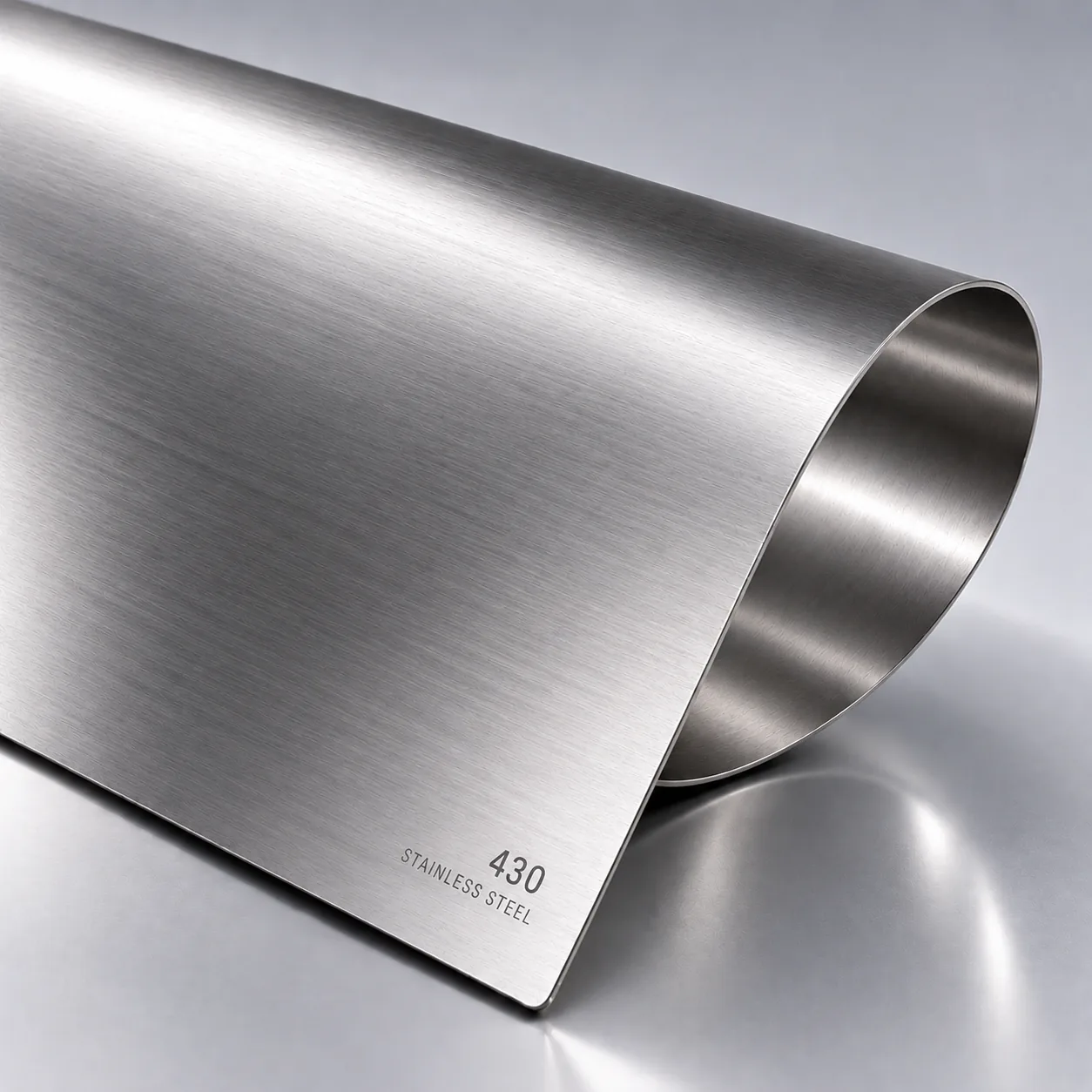
Stainless Steel 430 (Ferritic)
SUS430
Stainless Steel

Stainless Steel 430 (Ferritic)

A chromium ferritic stainless with no nickel added. It resists ordinary atmospheric corrosion well and is markedly cheaper than the austenitic grades, but it is magnetic and it will pit in chloride environments.
UTS
450–600 MPa
Yield
≥205 MPa
Elon.
≥22%
0.4mm – 2.0mm
Read the SUS430 guide
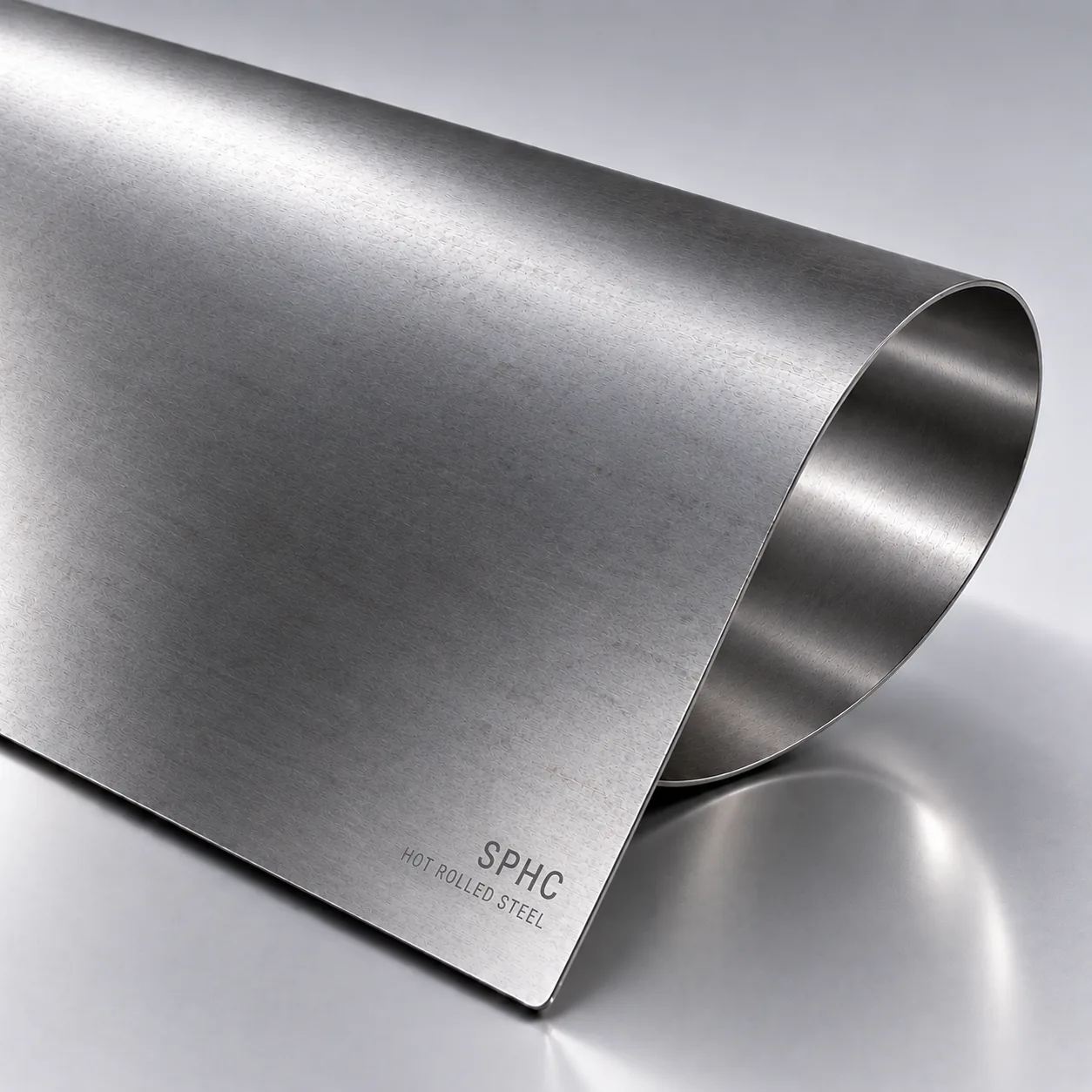
Hot-Rolled Pickled Carbon Steel (SPHC)
SPHC
Carbon Steel

Hot-Rolled Pickled Carbon Steel (SPHC)

Hot-rolled carbon steel that has been pickled to remove the mill scale, leaving a clean, scale-free surface. It arrives in heavier gauges than cold-rolled SPCC and is the usual base for parts that will be subsequently machined or coated.
UTS
≥270 MPa
Yield
—
Elon.
27–31%
1.5mm – 8.0mm
Read the SPHC guide
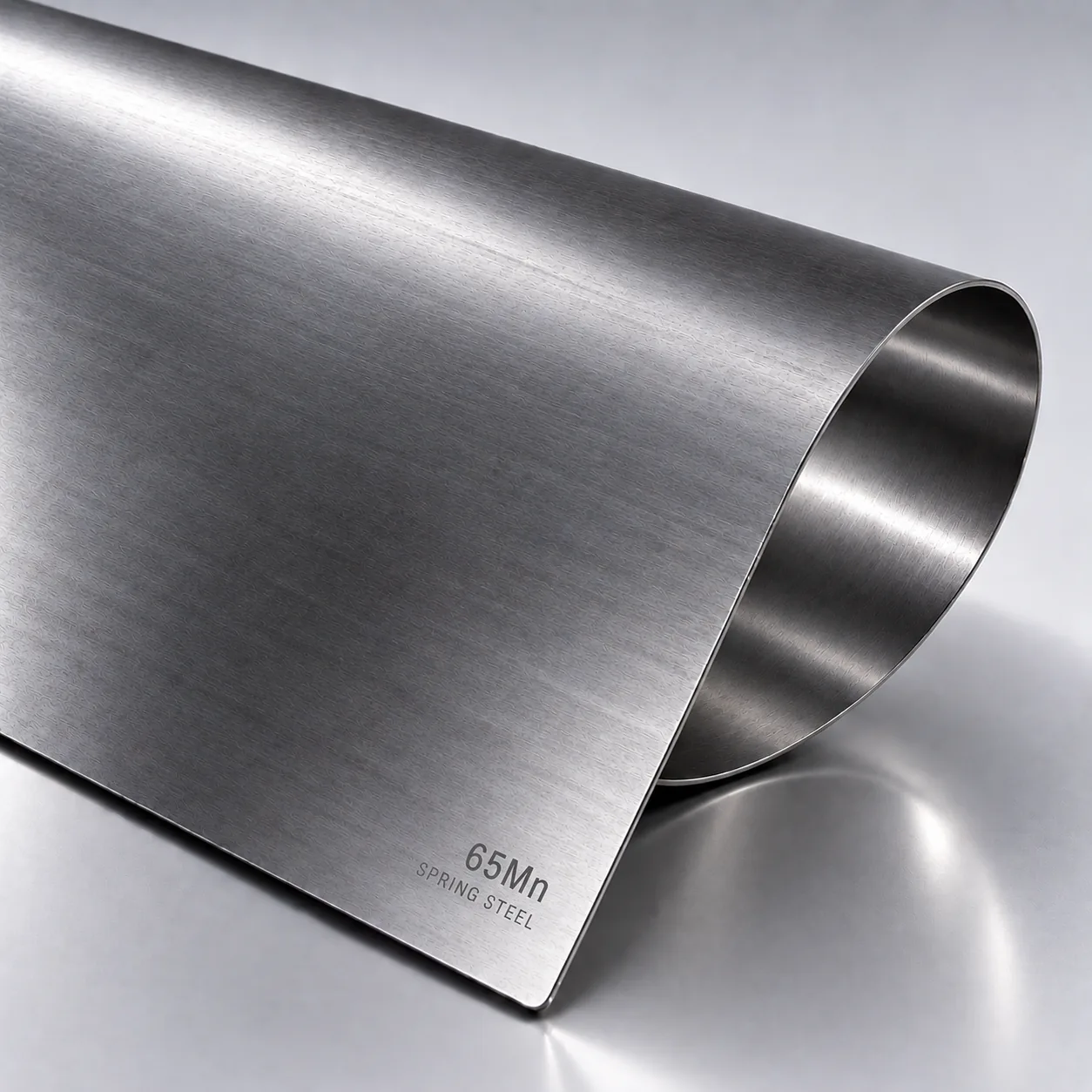
Spring Steel 65Mn
65Mn
Carbon Steel

Spring Steel 65Mn

A high-carbon manganese spring steel supplied in the annealed condition. It is the standard leaf-spring and spring-steel grade, valued for its very high elastic limit and ability to take repeated loading.

UTS
735 MPa (annealed)
Yield
430 MPa (annealed)
Elon.
14–21%
0.3mm – 2.0mm
Read the 65Mn guide

Data sheets

All 20 grades, side by side

Density, tensile, yield, elongation, weldability, corrosion and thickness range — every grade we fabricate, on one page.

Open the data sheets
ISO 9001 · Quality Assurance

Checked at every stage

Four-step quality control from raw material to shipment. Precision inspection at every stage. FAI reports provided on request.

WERIX Metal is certified to the ISO 9001 quality management standard.

3,000+ m²
manufacturing space
11+
years
5,000+
clients served
24 h
quote reply
01

Incoming Material

Each batch of raw sheet metal checked for thickness, grade, and surface finish before production begins.

02

In-Process Check

First-article inspection and random sampling at every workstation: laser, bend, weld, stamp.

03

Final Inspection

Dimensions checked against customer drawings. Precision instruments used for tight-tolerance parts.

04

Shipment Audit

Packaging, labeling, and surface protection inspected before dispatch. Each batch traced.

Frequently asked questions

What materials does WERIX work with?

WERIX works with cold-rolled steel, 304/316/201 stainless steel, 5052/6061 aluminum, copper, brass, galvanized steel, and more. See our materials library for detailed specs. Or open the 5052 aluminium guide.

Which aluminum alloy is best for bent sheet metal parts?

5052-H32 is recommended for bent parts due to its 12% elongation and 1T minimum bend radius. 6061-T6 is stronger but only has 8% elongation and requires 2T-4T radius.

Can you advise on the material before I finalise the design?

Yes. Send the drawing with the operating environment — temperature range, indoor or outdoor, corrosive exposure, weight limits and quantity. We reply with a recommended alloy and temper, the minimum bend radius it allows, and the finishing options that work with it.

Do you provide material certificates?

Yes. Mill certificates and material traceability records are issued with production orders on request. In-process inspection reports and dimensional reports are also available as part of the standard quality documentation.

What thickness range do you work with?

Typical production range is 0.3 mm to 6 mm for sheet metal fabrication, with laser cutting capable of thicker plate at reduced speed. Stamping covers thinner gauges, generally 0.2 mm to 4 mm, depending on the die and press capacity.

Which aluminum alloy should I choose for sheet metal?

5052-H32 bends best (12% elongation, 1T radius) and is the default for enclosures; 6061-T6 is stronger but needs a 2T-4T radius. 3003 is the low-cost choice for non-structural panels. See the 5052 guide and 5052 vs 6061 comparison before specifying.

What stainless steel grade is best for sheet metal?

304 is the workhorse for most enclosures and brackets; 316L adds corrosion resistance for marine, coastal or chemical exposure. 201 is a lower-cost alternative where the environment is benign. Our 304 guide and 304 vs 316 comparison cover the trade-offs.

Are mill test certificates and material traceability available?

Yes. Mill certificates and material traceability records ship with production orders on request, alongside in-process and dimensional inspection reports as part of the standard quality documentation. Tell us your quality team's documentation set and it is quoted with the part.

Do you work with copper and brass?

Yes. Copper (C11000) and brass (H62, C26000) are regularly fabricated for electrical, RF and decorative parts, with bending and welding tuned to avoid work-hardening cracks. Browse the copper and brass grade guides for grades, tempers and thickness ranges.

Aluminum or steel — which should I choose for my enclosure?

Pick aluminum (5052-H32) when weight matters: it is about one-third the density of steel, so a 2 mm enclosure weighs roughly a third less and it resists corrosion without coating. Pick steel or stainless when stiffness, cost at volume or EMI shielding matters — cold-rolled steel is the lower-cost structural choice and 304 stainless adds corrosion resistance. Aluminum typically carries a 20–40% material premium over steel at low volume. Compare grades in our 5052 guide and 304 guide.

What is the minimum bend radius for sheet metal?

A practical minimum is 1× the thickness for 5052-H32 aluminium and about 0.5× for soft cold-rolled steel, but the real limit depends on alloy, temper and grain direction — 6061-T6 needs 2–4× thickness or it cracks. State the inside radius per feature rather than a blanket note and confirm at DFM review. See the sheet metal bend radius guide and the minimum bend radius chart.

How close can a hole be to a bend or the sheet edge?

Keep a hole at least 2× the material thickness from a bend (plus the bend radius) so the form does not distort the hole, and at least 2× thickness from a free edge to avoid bulging the cut. Tighter than that needs a re-cut after forming or a different feature. Our DFM guide lists the full set of distance rules.

Cold-rolled steel or stainless steel — which should I choose?

Choose cold-rolled steel (SPCC) when stiffness and low cost at volume matter and the environment is dry or the part is coated — it is the lower-cost structural choice and takes powder coat well. Choose 304 stainless when the part sees moisture, chemicals or food contact and must resist corrosion without a coating; 316L adds corrosion resistance for marine or coastal duty. Our 304 guide and 304 vs 316 comparison lay out the trade-offs.

Galvanized steel or stainless — which for outdoor sheet metal?

Hot-dip galvanized steel is the lower-cost choice for outdoor structural parts: the zinc layer (70 µm or more) protects cut edges that paint cannot reach, and a powder topcoat extends life further. Stainless 304 or 316 is specified when the part must stay corrosion-resistant without any coating, or where appearance and cleanability matter. For coastal or chemical exposure, 316 stainless beats galvanizing. See the finishes overview and our 304 guide for the comparison.