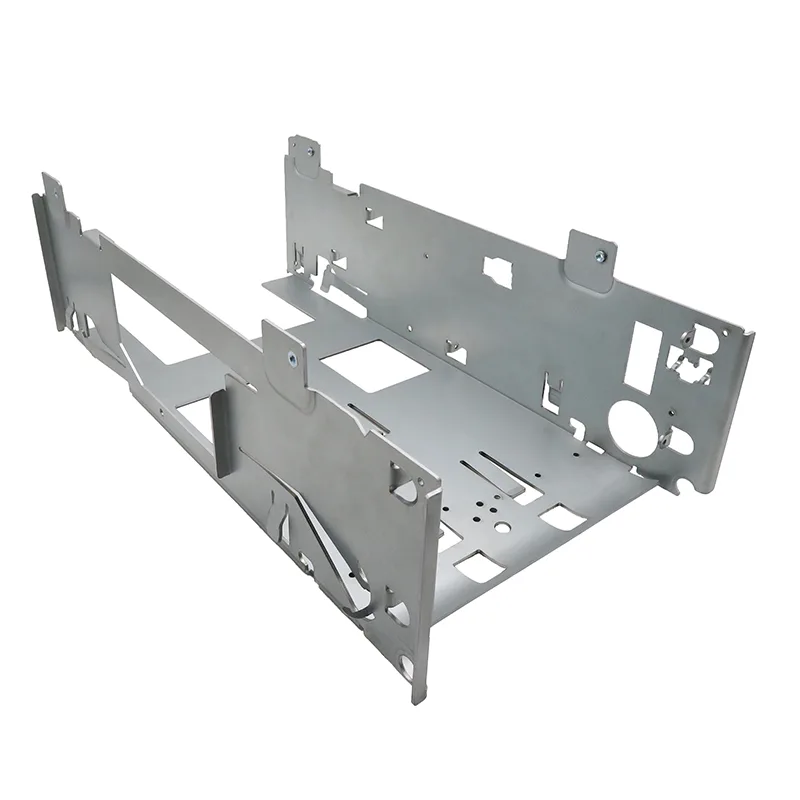
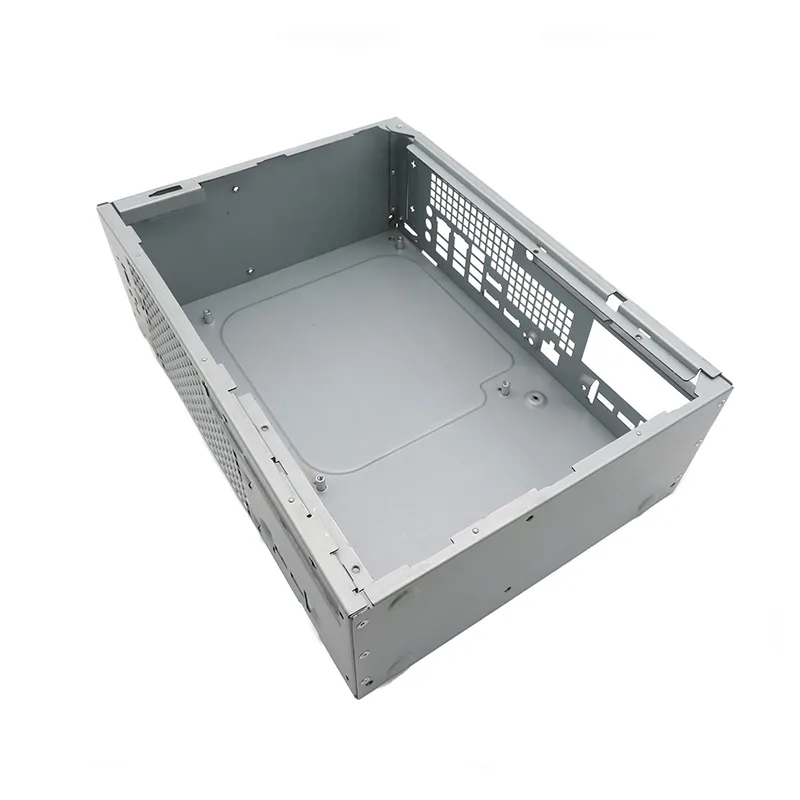
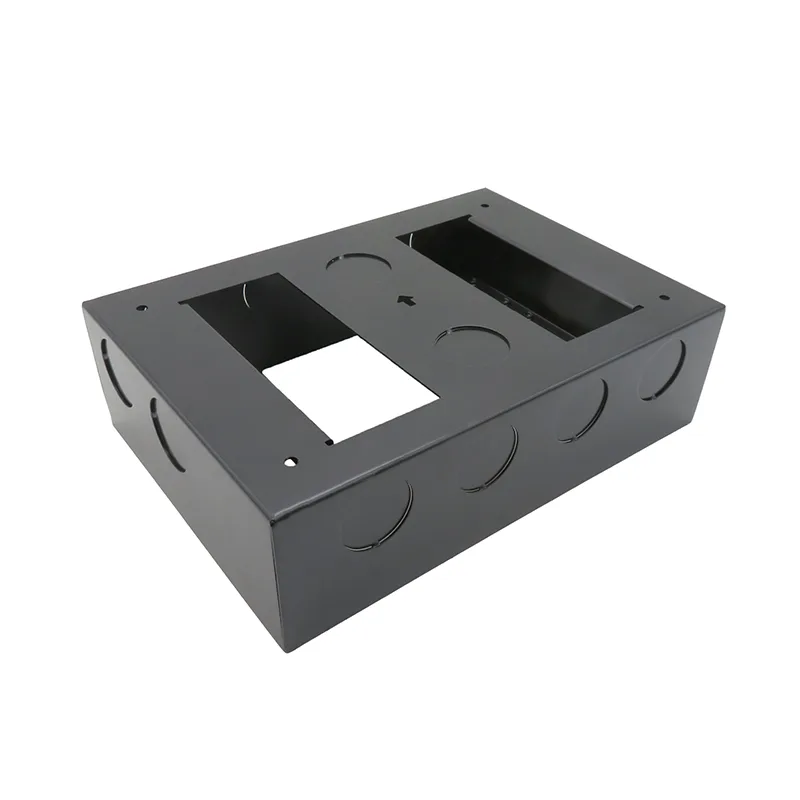
Project Stage 03

Mass Production — Full NPI Support

Full NPI support from a China source factory — from design review and sample validation through metal stamping tooling, first-article inspection, precision manufacturing production, assembly, and global delivery. One factory, one team, one purchase order.
24h NPI proposalIn-house die workshopOne factory, one order
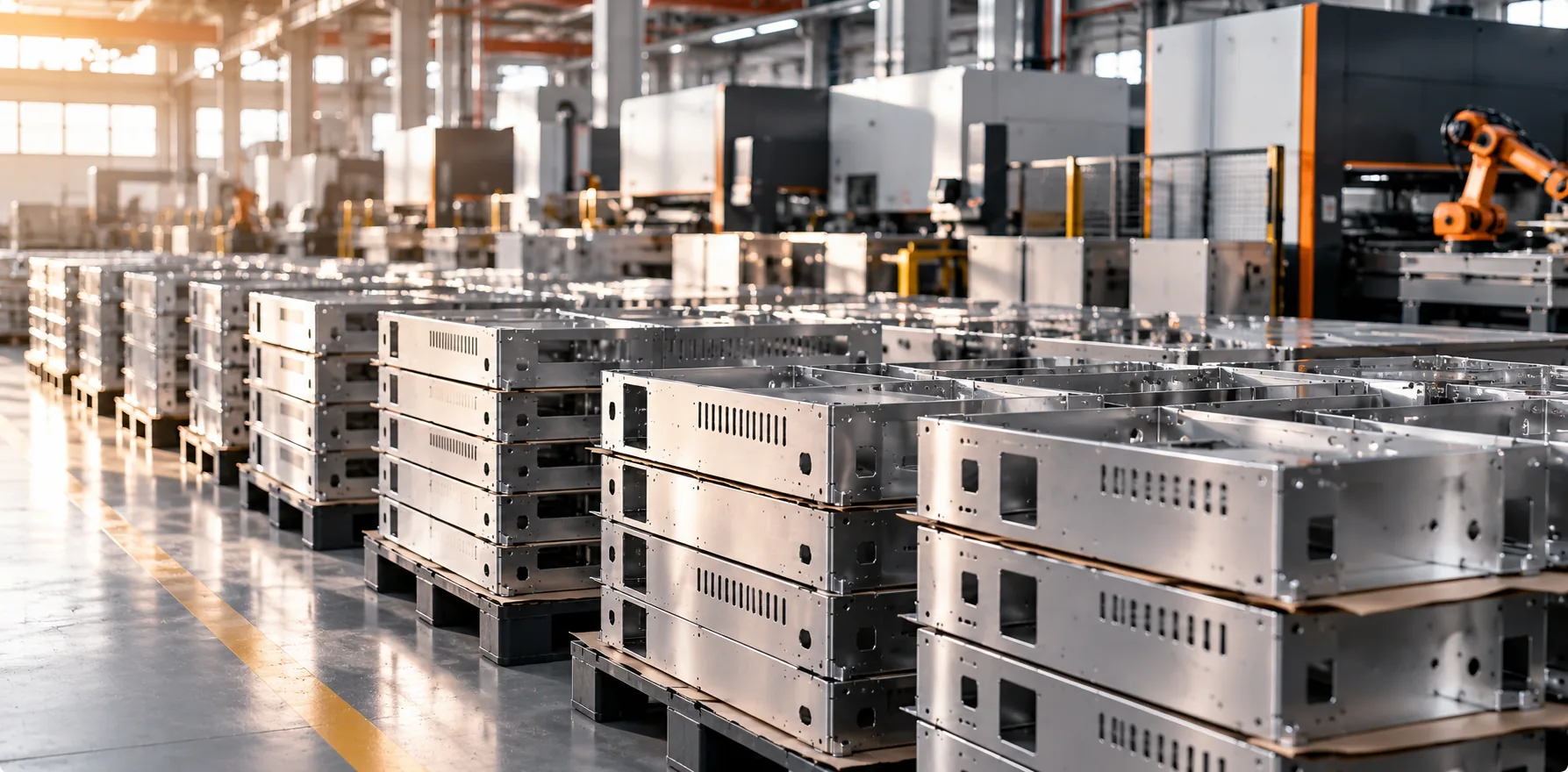
Mass production NPI line: high-volume sheet metal parts moving through tooling and assembly
1Phase 1 · RFQ

RFQ & Quotation

Upload your product files and our engineers will prepare a quote with material costs, processing fees, die costs (if applicable), and lead time — within 24 hours.

Product file upload
Price quote
Die cost breakdown (if needed)
Lead time forecast
Phase Highlights
1Product file upload
2Price quote
3Die cost breakdown (if needed)
4Lead time forecast
1 / 8

We Recommend the Best Process for Your Part

Not sure whether Sheet Metal or Stamping is right for your part? Our engineers recommend the best process based on your design, volume, and requirements.

Sheet Metal Fabrication

Laser cut, CNC bend, weld, finish

Recommended VolumeFlexible — prototype to production
Upfront Die CostNone — standard tooling included
Unit CostCompetitive at low-to-mid volume
Lead Time3 – 15 days (sample to production)
Design FlexibilityHigh — adjust design across different batches
Best ForServer chassis, enclosures, brackets, panels

Progressive Die Stamping

Die design, stamping, finishing

Recommended Volume1,000+ units (ideal at 5,000+)
Upfront Die CostCustom die investment (varies by part)
Unit CostExtremely low at high volume
Lead Time15 – 25 days (including tooling)
Design FlexibilityLow — die rework needed for changes
Best ForSprings, clips, washers, busbars, brackets
Not sure which process fits your part?Upload your design and our engineers will recommend Sheet Metal or Stamping based on your design, volume, and requirements.
Talk to an Engineer

One-Stop Assembly & Integration

From individual parts to fully assembled, tested, and packaged products — all under one roof, one purchase order.

01

PEM Fastener Insertion

Self-clinching studs, nuts, and standoffs pressed in-house for permanent mechanical joints without exposed hardware.

02

MIG / TIG Welding

Consistent, leak-proof weld seams on stainless steel and aluminum — IP65 rated options available.

03

IP65 Waterproof Sealing

Continuous seam welds and precision-cut silicone gasket channels for outdoor-rated enclosures and cabinets.

04

Fastener Assembly

Rivet, screw, and torque-controlled bolt assembly for high-volume runs with consistent clamping force.

05

Dimensional Verification

Every part measured with calibrated instruments — calipers, micrometers, and CMM — to ensure tolerance compliance.

06

Final Inspection & Global Ship

Final quality inspection, custom foam inserts, labeled cartons, and tracked logistics directly to your facility.

04

Add turnkey assembly

Hardware installation, wiring, testing, and packaging — receive finished products, not loose parts.

Explore Turnkey Assembly

Ready to Start Your NPI Project?

Upload your product files — our engineers will return a full NPI proposal with process recommendation, tooling plan, timeline, and pricing within 24 hours.

NPI Proposal in 24h|In-House Die Workshop|Secure & Confidential
ISO 9001 · Quality Assurance

Checked at every stage

Four-step quality control from raw material to shipment. Precision inspection at every stage. FAI reports provided on request.

WERIX Metal is certified to the ISO 9001 quality management standard.

3,000+ m²
manufacturing space
11+
years
5,000+
clients served
24 h
quote reply
01

Incoming Material

Each batch of raw sheet metal checked for thickness, grade, and surface finish before production begins.

02

In-Process Check

First-article inspection and random sampling at every workstation: laser, bend, weld, stamp.

03

Final Inspection

Dimensions checked against customer drawings. Precision instruments used for tight-tolerance parts.

04

Shipment Audit

Packaging, labeling, and surface protection inspected before dispatch. Each batch traced.

Frequently asked questions

What volume justifies progressive die stamping?

Roughly a few thousand pieces upward, once the geometry is stable. Below that the die investment rarely pays back; above it, the per-part cost falls well below laser-cut and bent alternatives. See mass production for tolerances and tooling.

Do you design and build the stamping dies yourself?

Yes. Die design, manufacturing, trial run and maintenance all happen in our own die workshop, so a tooling change does not wait on a third party and the die stays matched to the production presses.

What tolerance do you hold on stamped parts?

Progressive-die stamping holds ±0.01 mm on formed features, with piercing and blanking held to the drawing datum. Where a feature is not critical, saying so on the drawing keeps the die simpler and the part cheaper.

How is quality controlled at production volume?

First-article inspection per drawing revision, in-process sampling at each station, dimensional reports on the critical-to-function features, and batch traceability from the raw coil to the packed part.

Can you run a die that we already own?

Yes, after a trial and a tool-condition assessment. We report what the die can hold before committing to a production schedule, so a worn tool does not turn into a quality surprise halfway through the order.

How long does tooling take before mass production?

Die design, build and trial run typically take a few weeks depending on stations and complexity, all in our in-house die workshop. Because we own the tooling, changes are fast and the die stays matched to our presses.

What is the cost advantage of progressive-die stamping?

Above a few thousand pieces, per-part cost falls well below laser-cut and bent alternatives because setup spreads over the run and cycle times drop to seconds. Below that, laser plus punching is cheaper - see low volume for the crossover.

What is the lead time for mass production stamping orders?

Once the die is qualified, recurring stamping runs are scheduled against your order cadence, with first-article sign-off before each new production release. Lead time is quoted per order from die and press capacity and confirmed when you place the call-off. Discuss volumes and cadence in the quote so we can commit to a firm schedule.

Can WERIX run a stamping die we already own?

Yes, after a trial and tool-condition assessment; we report what the die can hold before committing to a schedule so a worn tool does not become a mid-order surprise. Discuss transfer tooling in the quote.

What tolerance can stamped parts hold versus laser-cut parts?

Progressive-die stamping holds ±0.01 mm on formed and pierced features because the die fixes the geometry; laser-cut and bent parts hold ±0.1 mm on cuts and ±0.5° on bends, set by programming and the press. For high-volume, tight-tolerance features, stamping wins; for low-volume or frequently changed geometry, laser plus bend stays cheaper. See mass production for the volume crossover.