
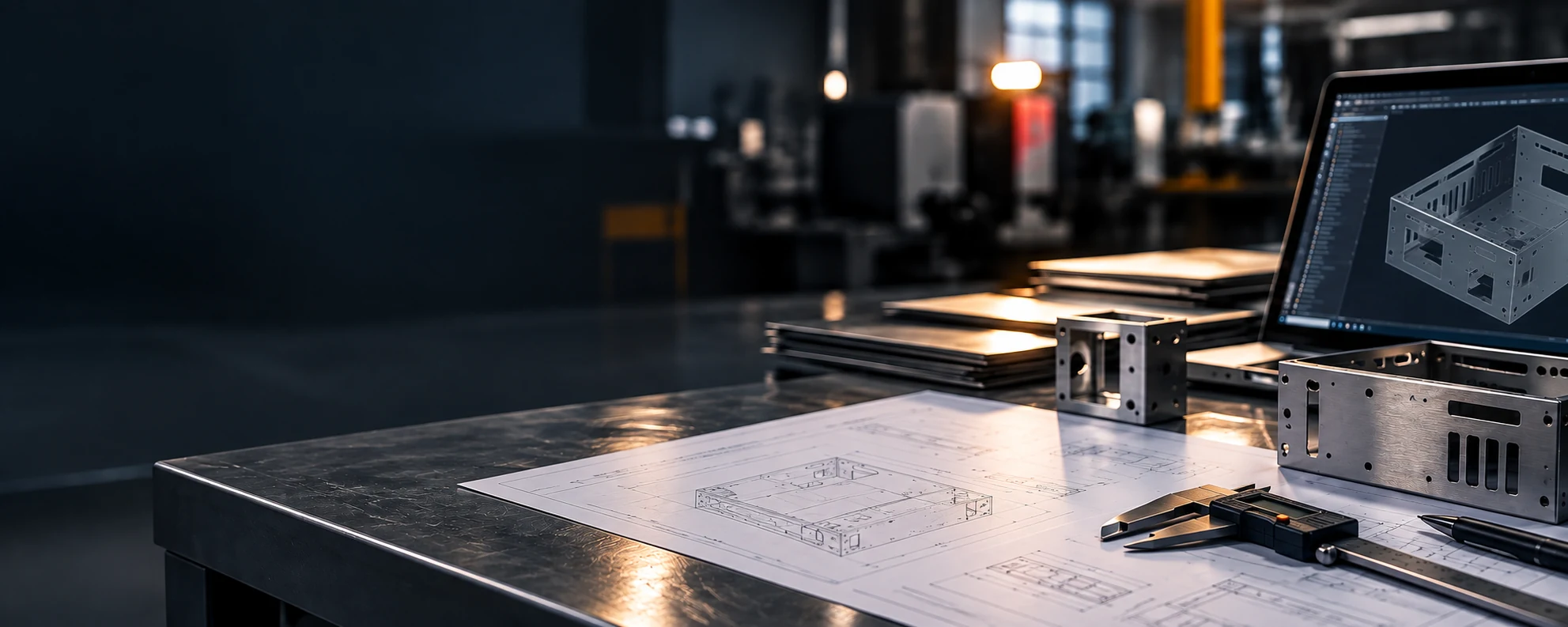
Technical Knowledge
for Engineers
Materials databases, process specifications, surface finish guides, and design-for-manufacturing references — everything you need to engineer better sheet metal fabrication and metal stamping parts.
- 51
- reference pages
- 8
- knowledge zones
- 21
- languages
Design it right the first time
The DFM rules, tolerance windows and forming limits our engineers apply to a drawing before it is quoted. One topic per page, written to be used at the desk.
What a part really costs, and why
The cost structure behind every quotation we issue, and the models you can re-run with your own rates instead of trusting a percentage.
A price is a stack, not a number. These five are what a quotation is built from — read left to right, that is also the order they are decided.
Material
mass × rate
Cutting
cut length
Forming
bends × setup
Joining
weld length
Finishing
area × process
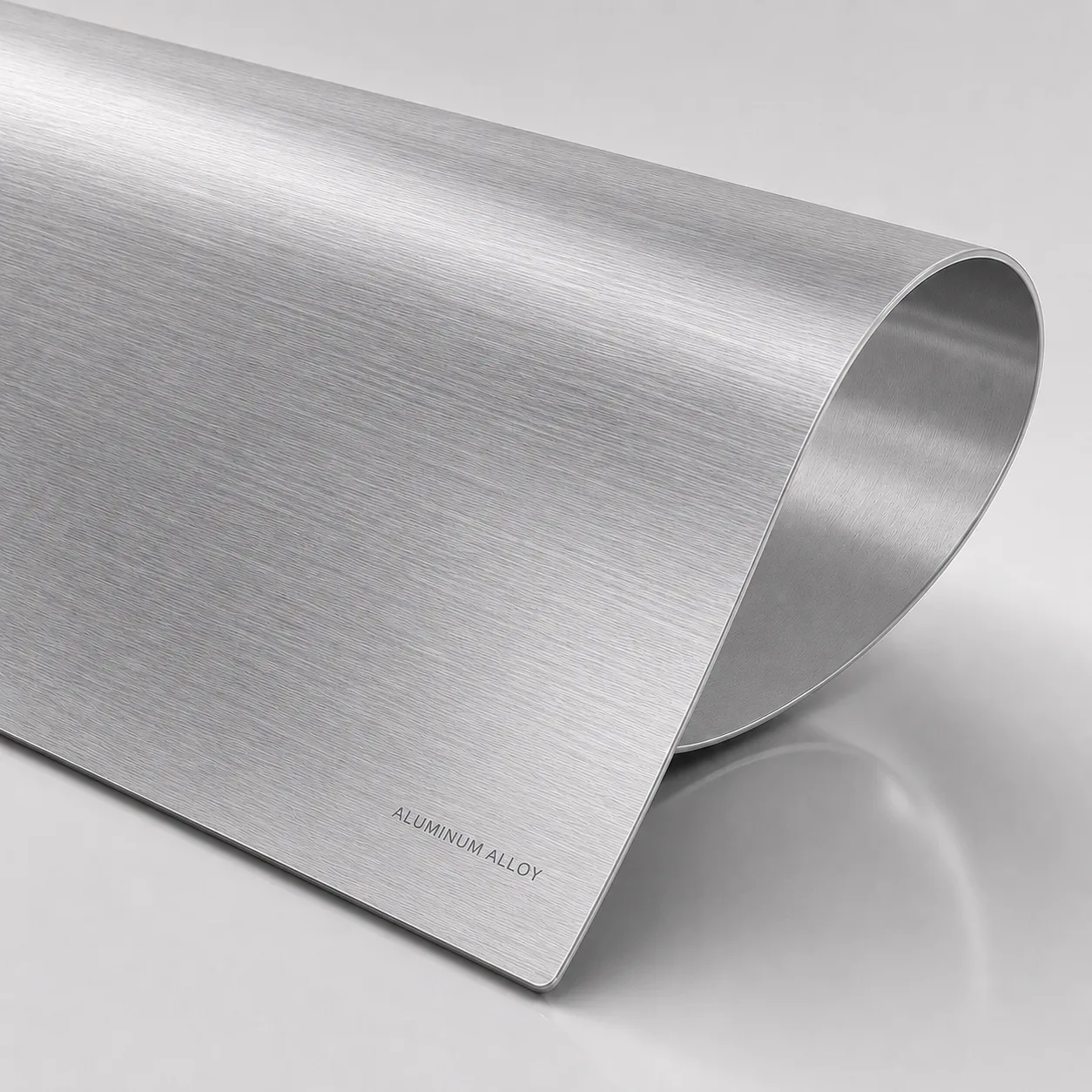
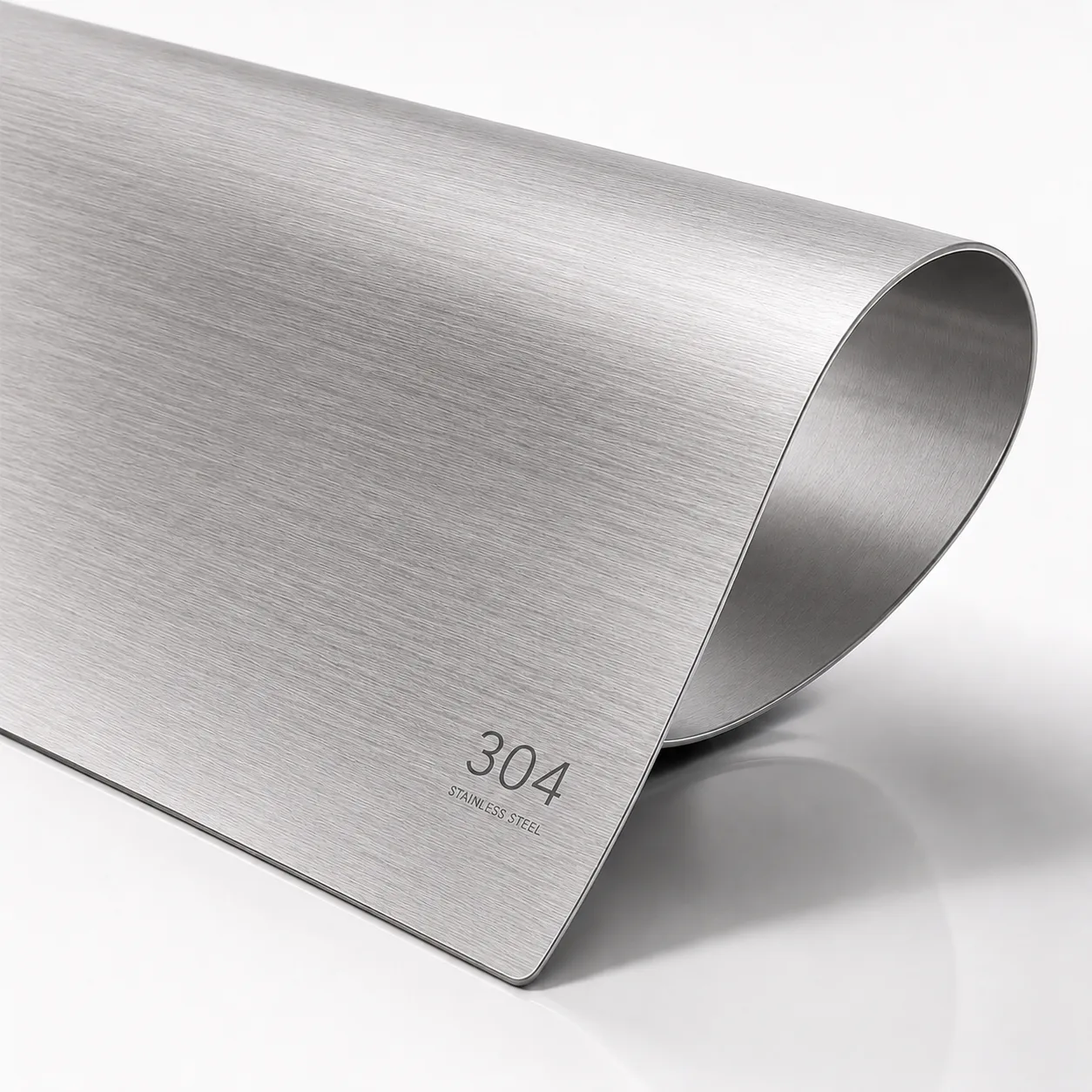
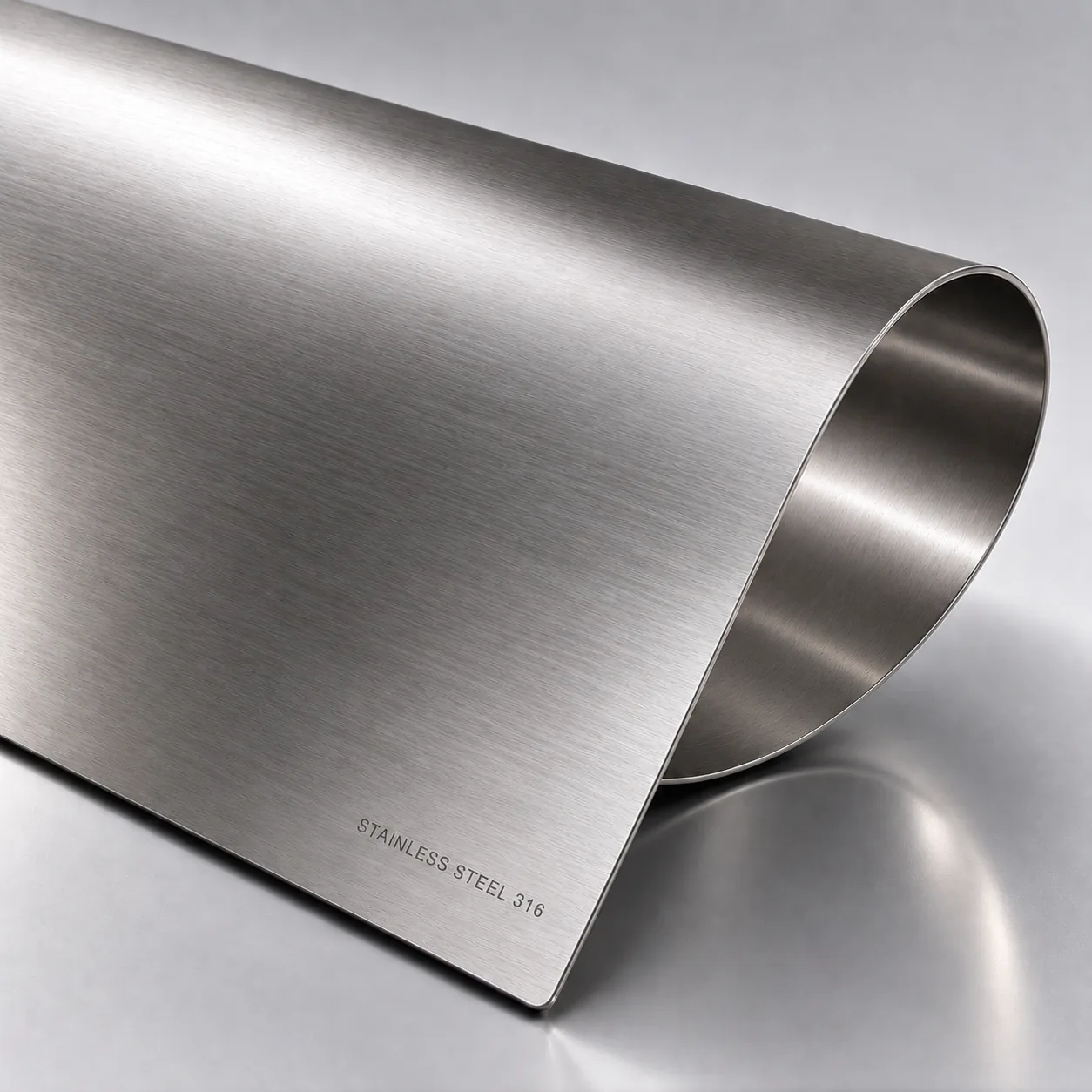
Data sheets, not marketing sheets
Density, tensile, yield, forming windows and corrosion behaviour for the grades we fabricate — with the comparisons engineers actually ask for.
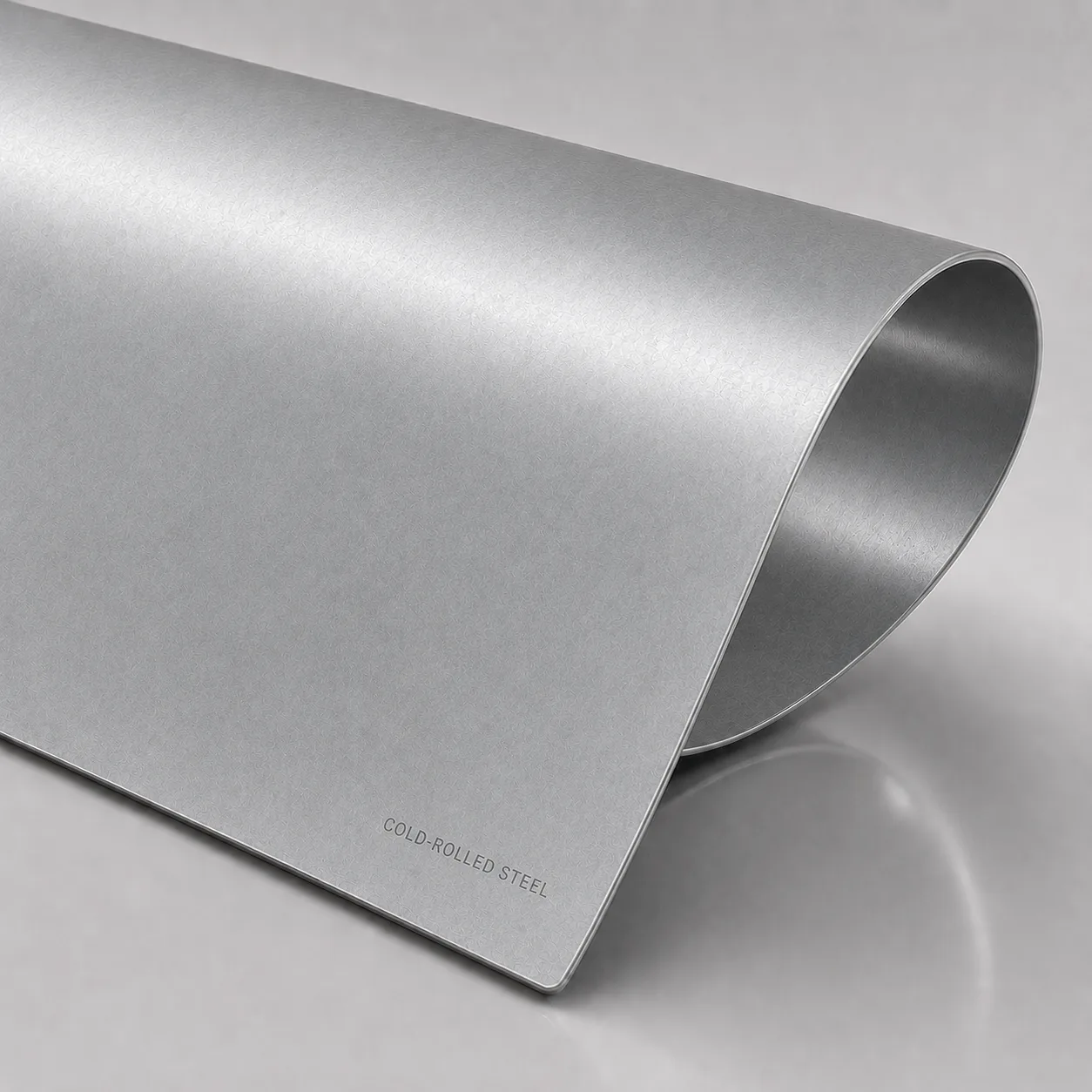

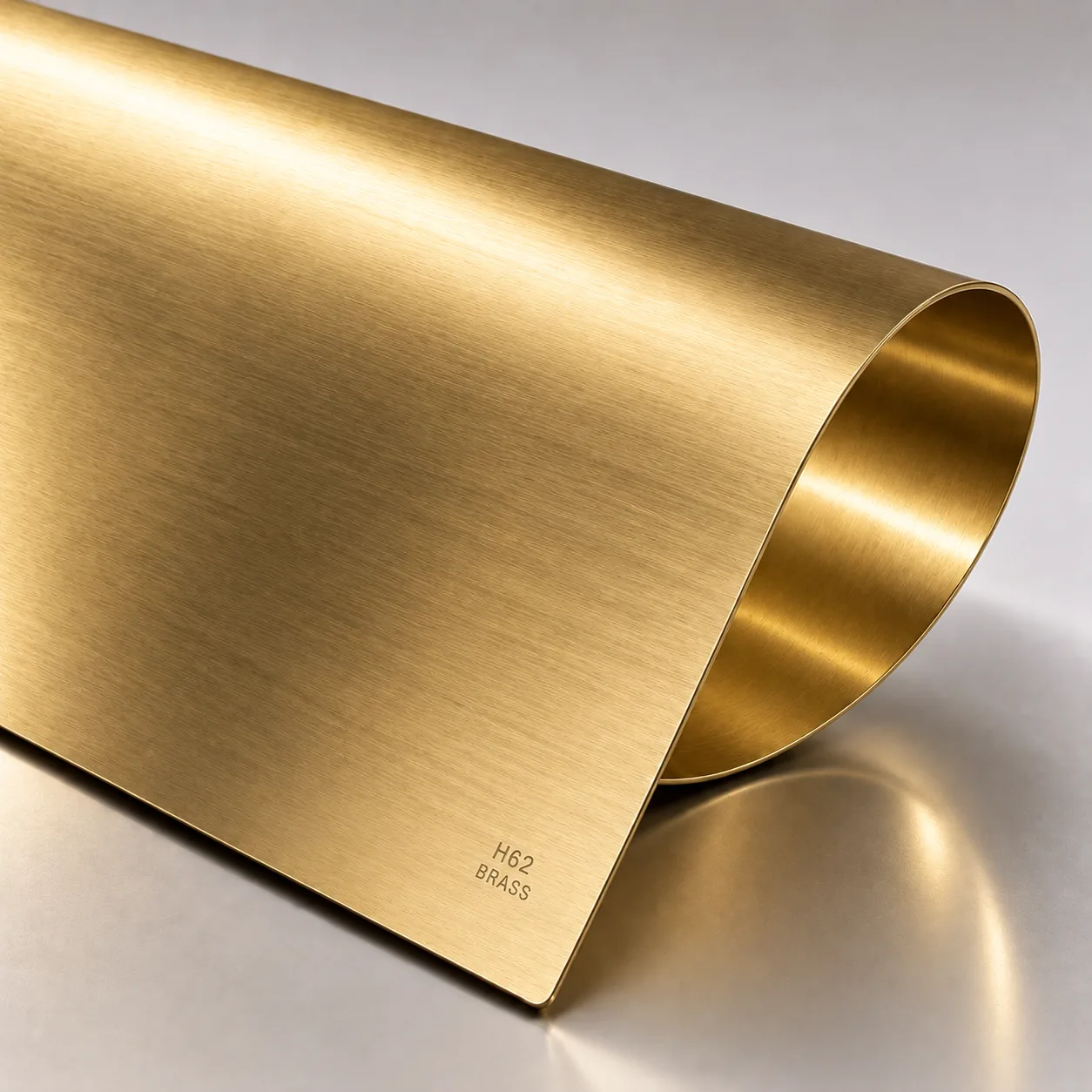
Parts, constraints and what changed
Anonymised production parts — the constraint that shaped each one, the DFM change we proposed, and the result measured on the first article.
Calculators and charts from the shop floor
The numbers our own engineers quote from — no signup, no email wall. Bookmark them, embed them, argue with them.
The words and numbers behind a quote
Bend allowance, K-factor, kerf, HAZ — defined in one paragraph each, with the reference charts engineers keep open beside a drawing.
Field notes from the shop floor
Longer reads on the decisions behind the work — process comparisons, cost-reduction methods, and what changed on the line.
 Laser cutting vs CNC punchingThe two processes compared on setup, part geometry and running cost — and the volume at which the answer flips.
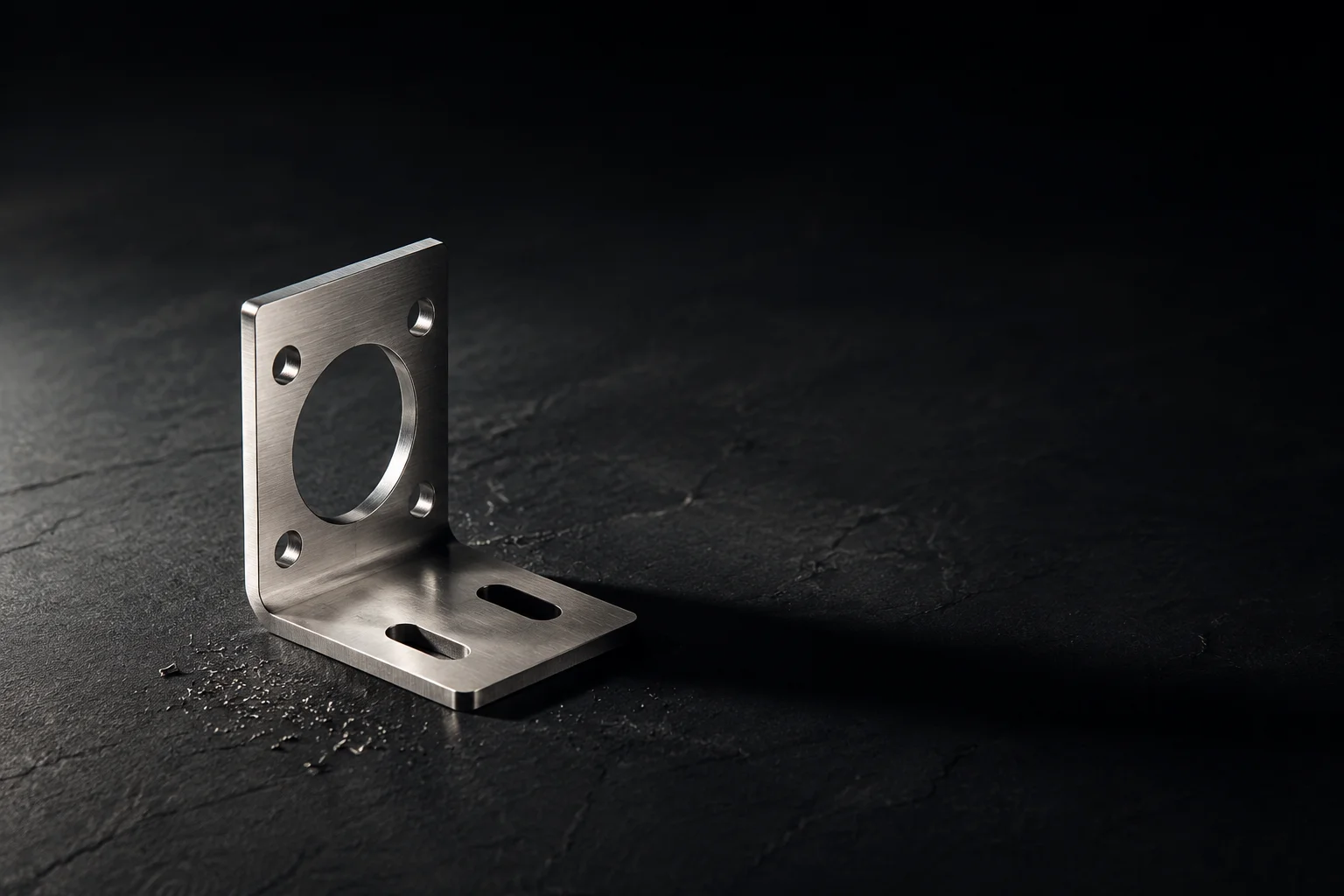 Eight ways to cut cost without cutting qualityDesign changes that reduce the quote before anyone negotiates it.
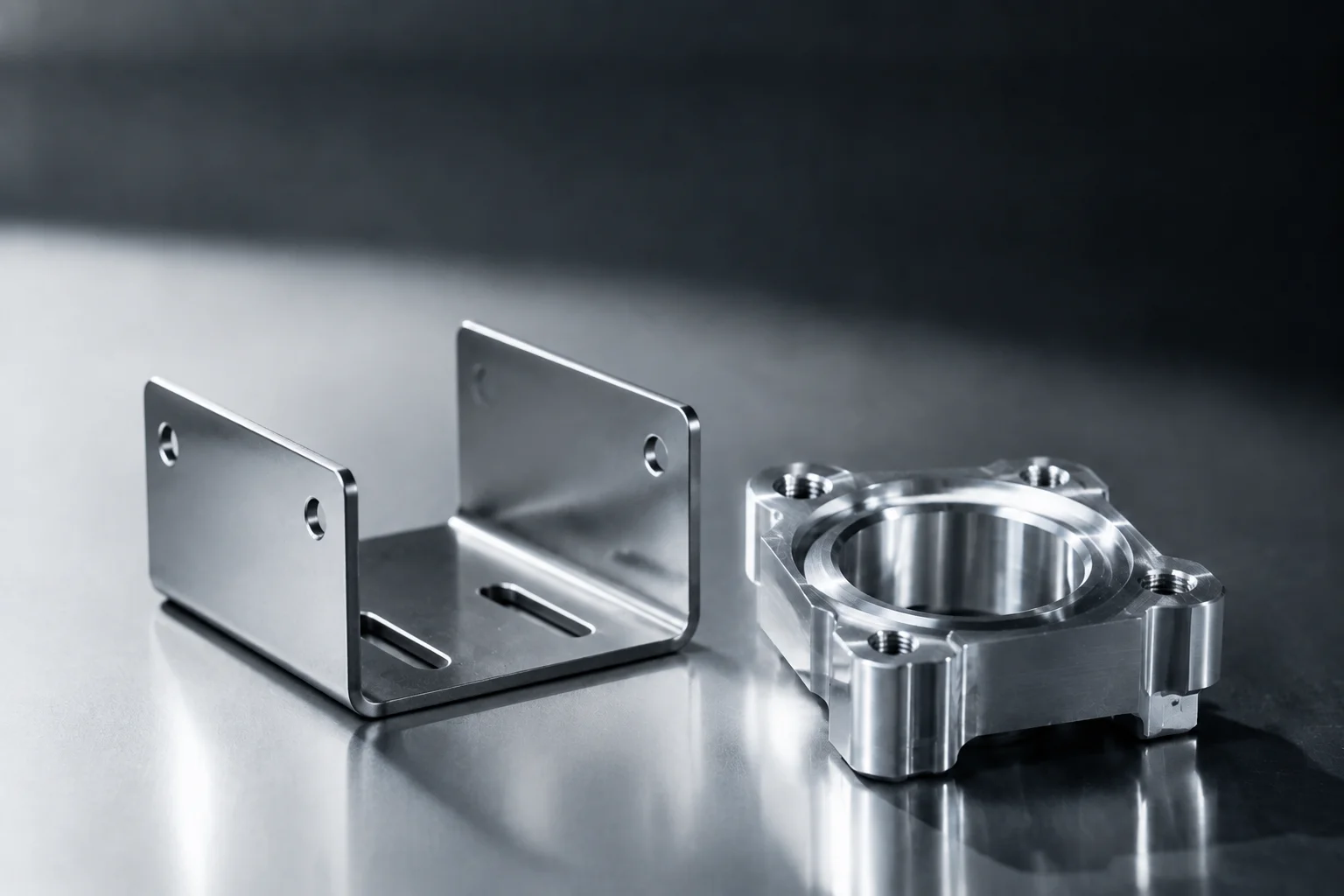 Material selection: steel, aluminium, stainlessHow to choose when the environment decides, not the price.
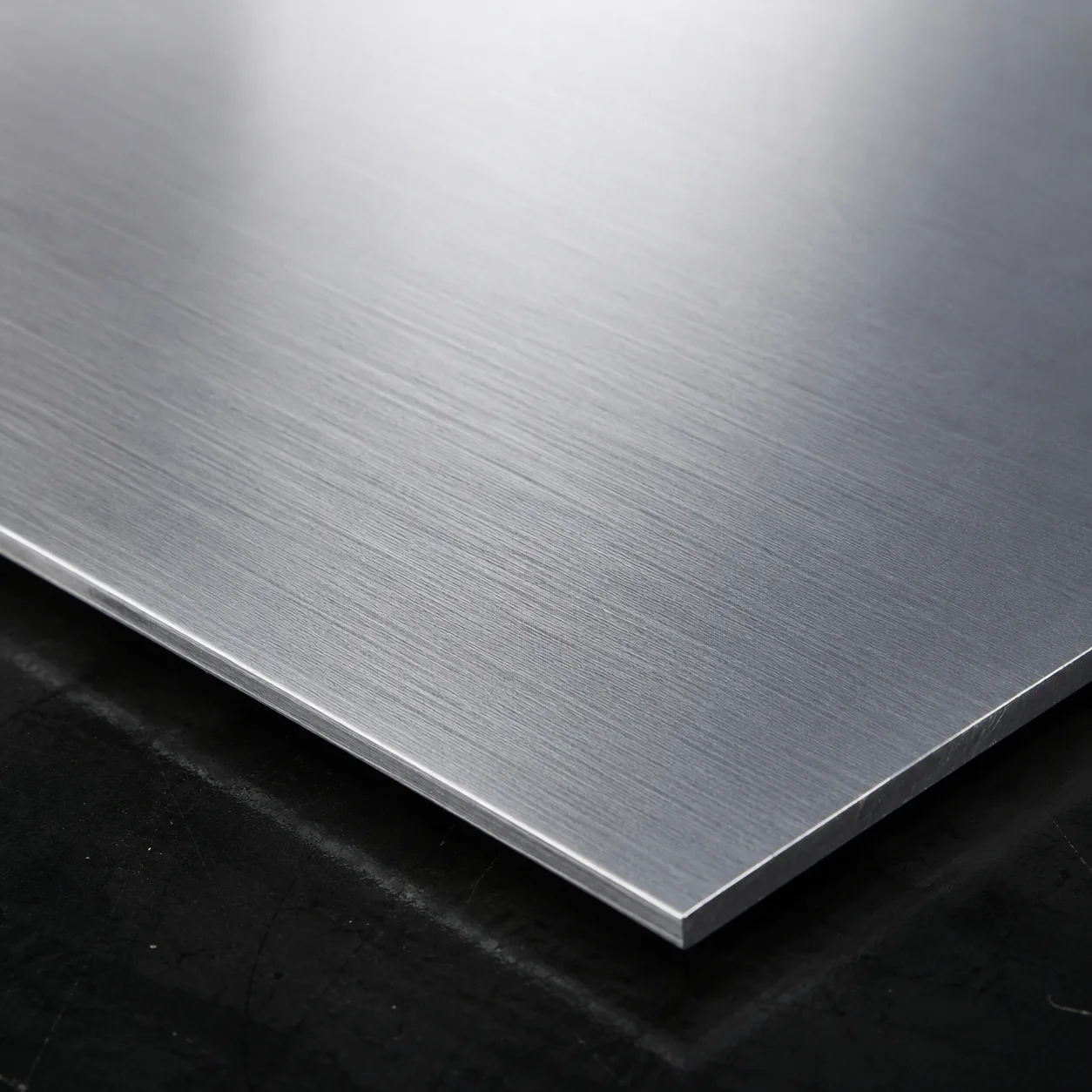
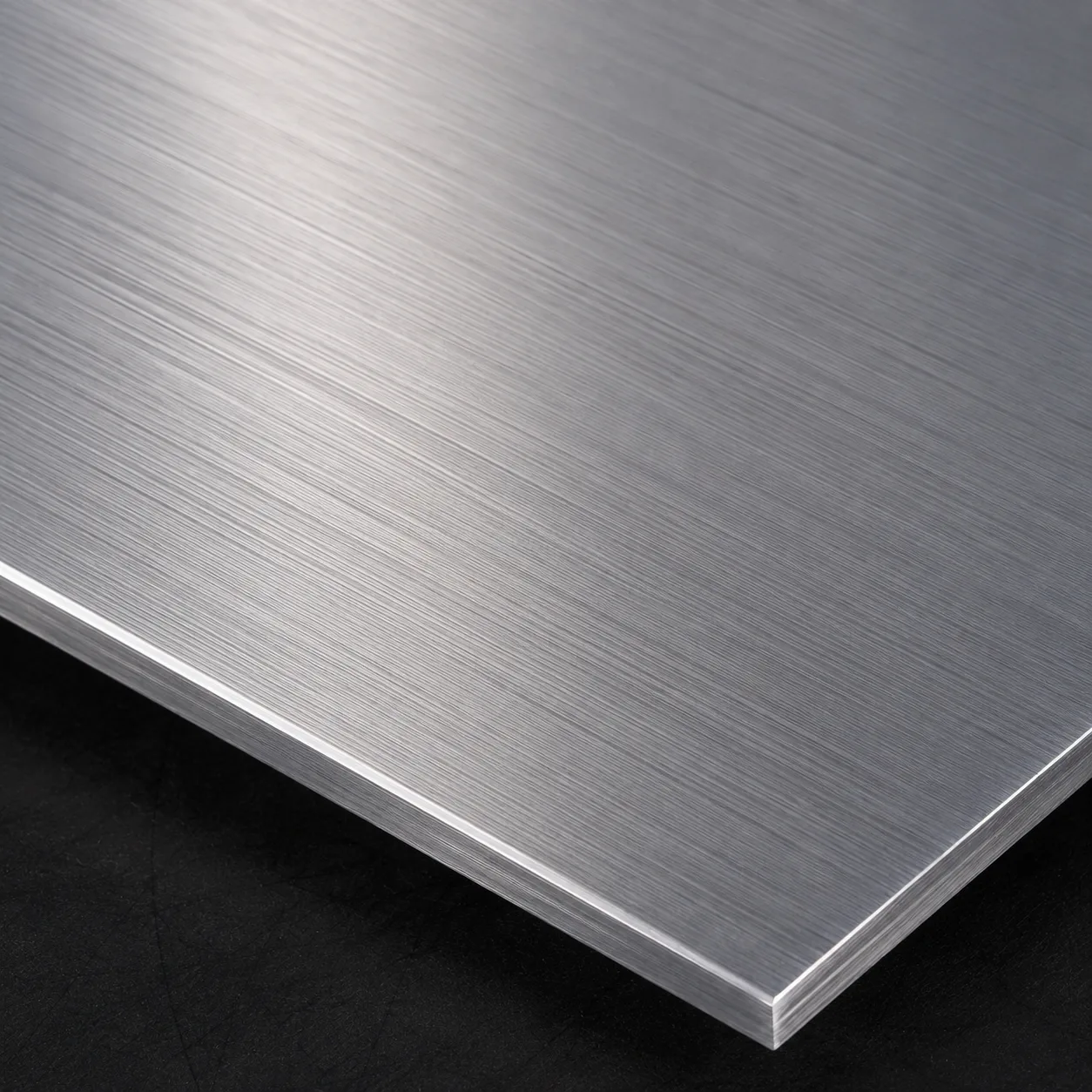
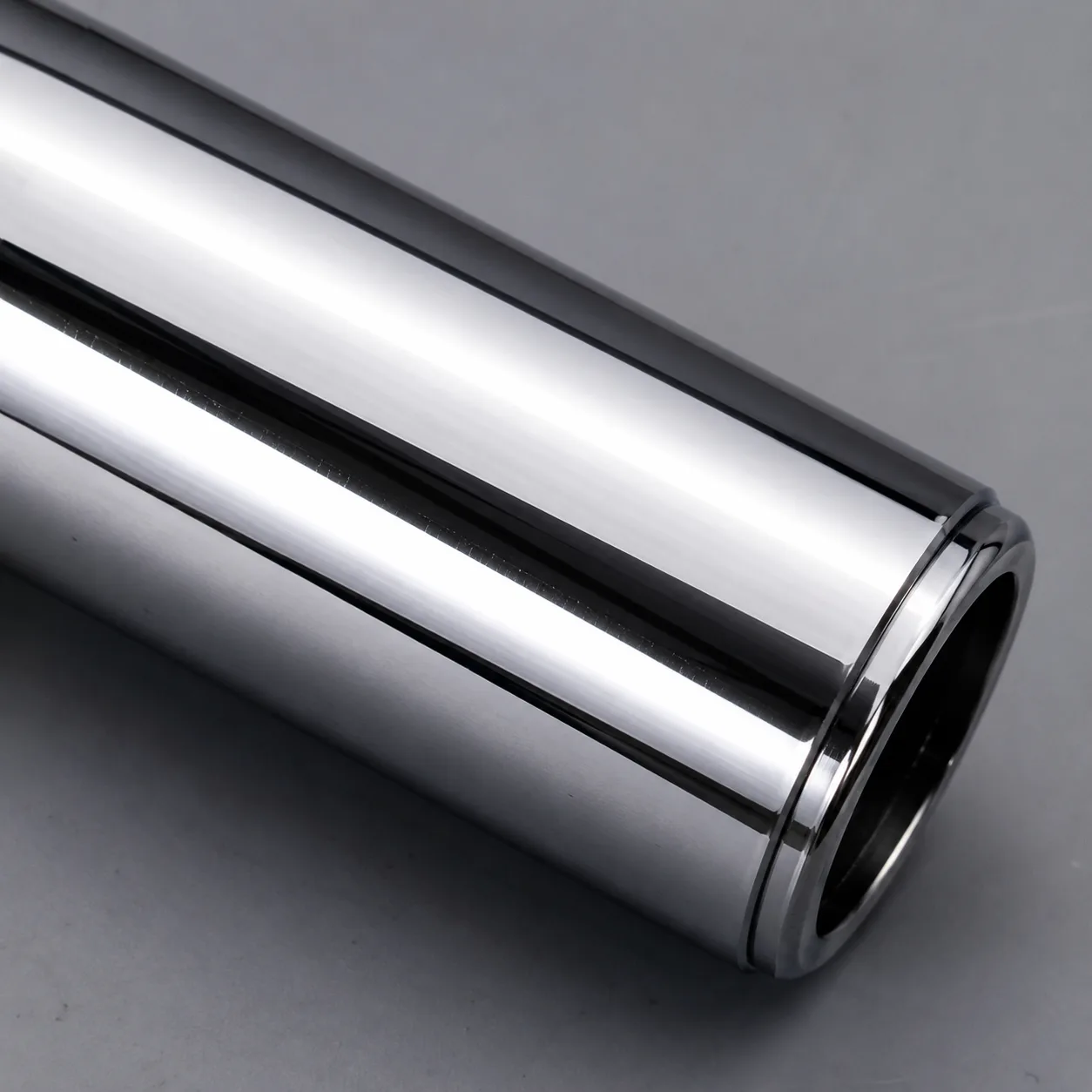
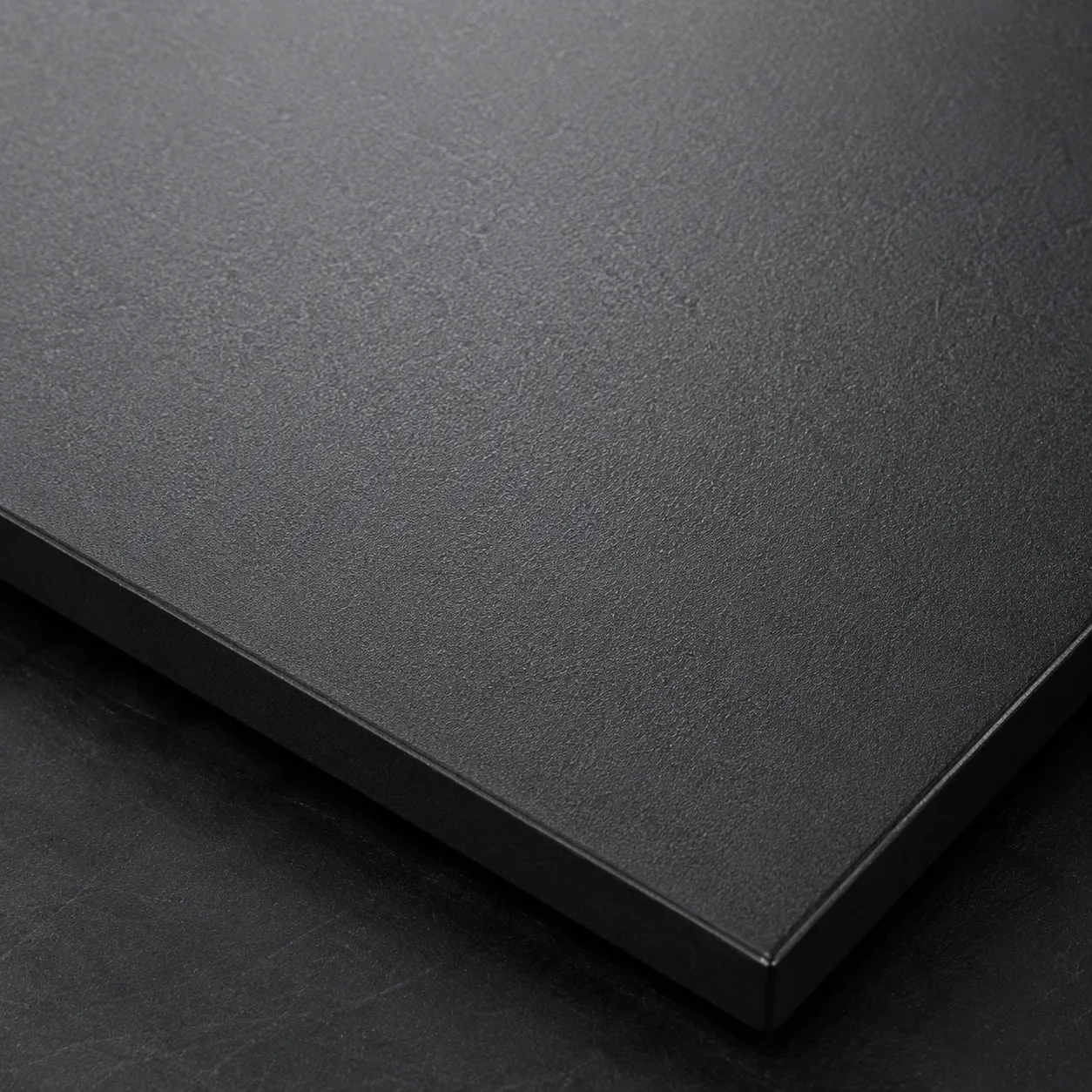
Specified by the environment, not by looks
Coating thickness, salt-spray ratings and best-fit applications — each finish shown as the surface it actually produces.

Print and keep
PDFs of the references our own engineers use. No form in the way — take them.
Process Specifications
Equipment specs, tolerances, capacity limits, and design guidelines for every sheet metal and stamping process.
Sheet Metal Fabrication
- Cutting
- 3
- Forming
- 2
- Joining
- 4
- Secondary Ops
- 3
Metal Stamping
- Forming Methods
- 3
- Specialized
- 2
- Die Workshop
- 3
Need Help Choosing the Right Process?
Upload your design and talk to an engineer for process recommendations and hands-on guidance.