
Precision engineered, built in-house, shipped worldwide
Every component laser-cut, bent and welded on our floor in Dongguan, and finished under the same inspection.
Selected Works
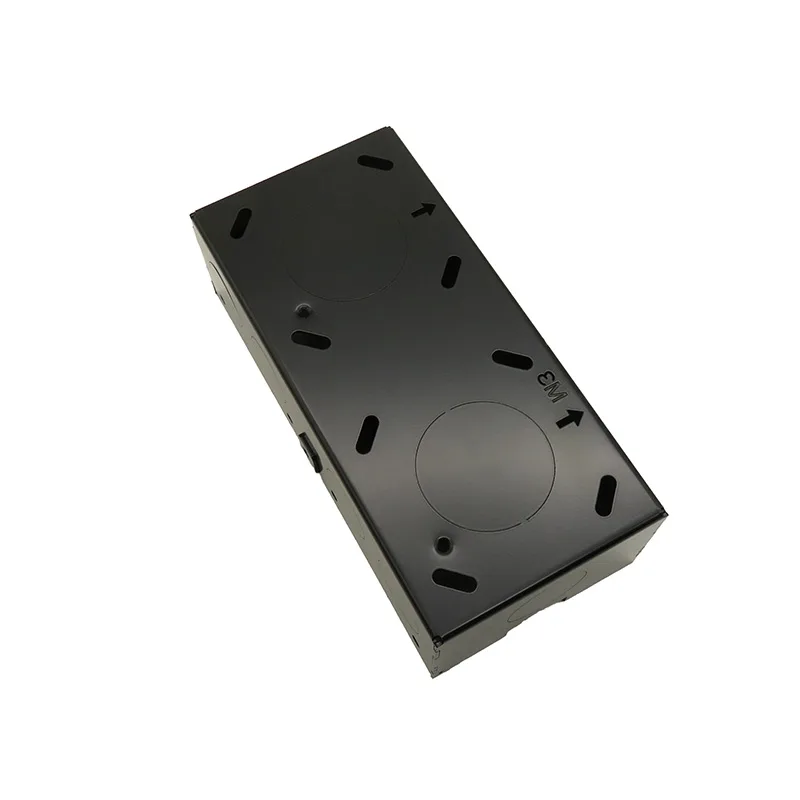
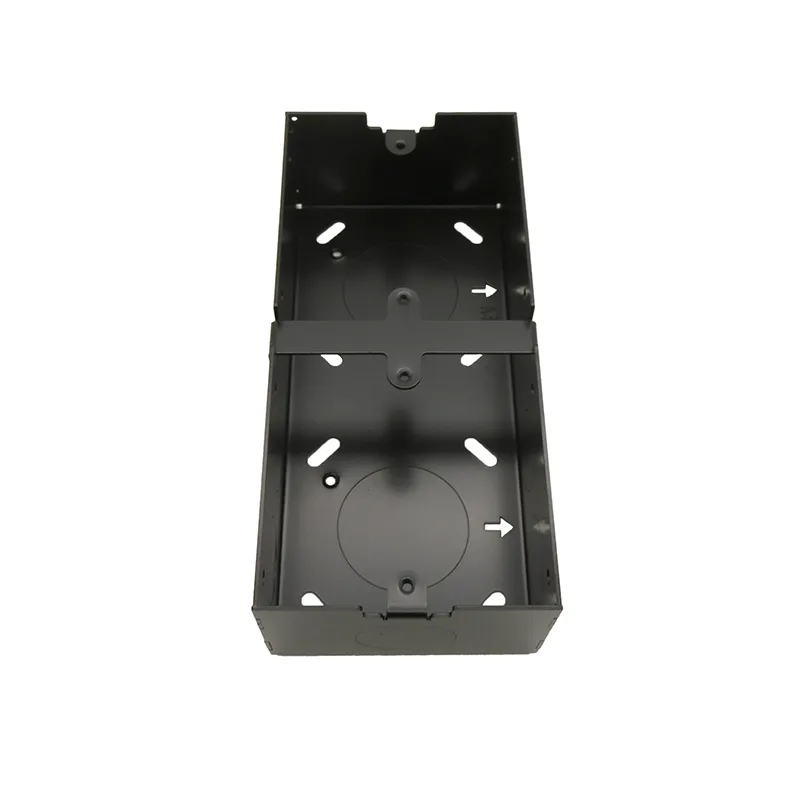
Junction Box
Multi-gang electrical junction box with EMI-rated knockouts and directional markings. Pre-punched mounting slots for DIN rail and wall installation.
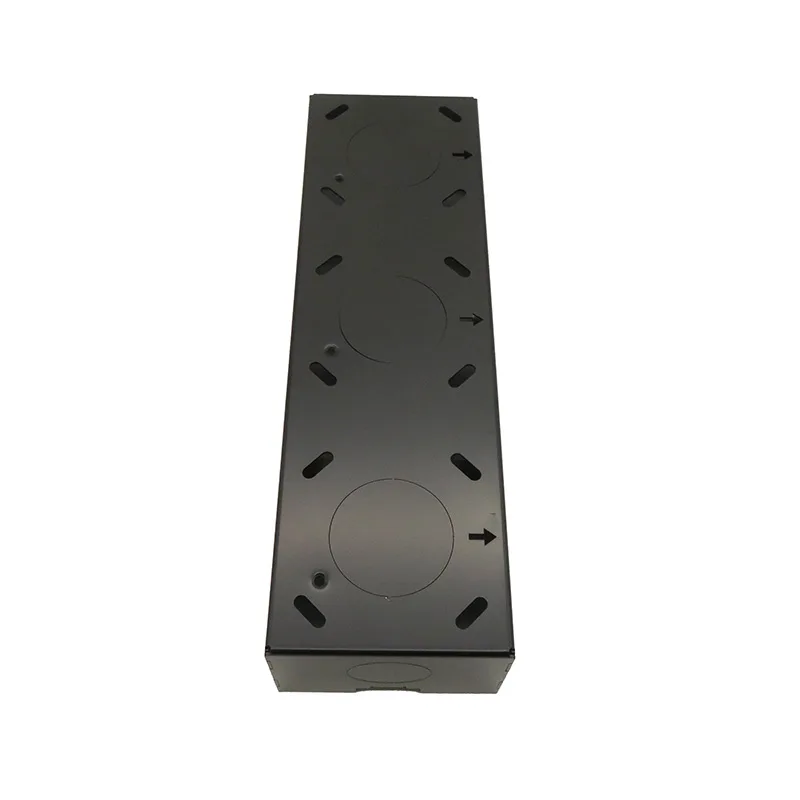
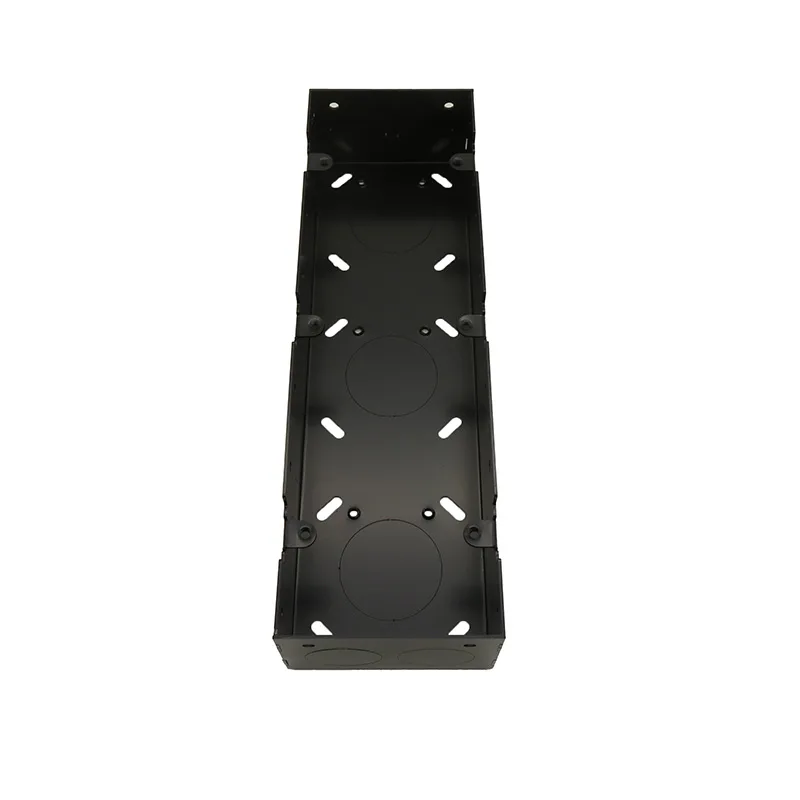
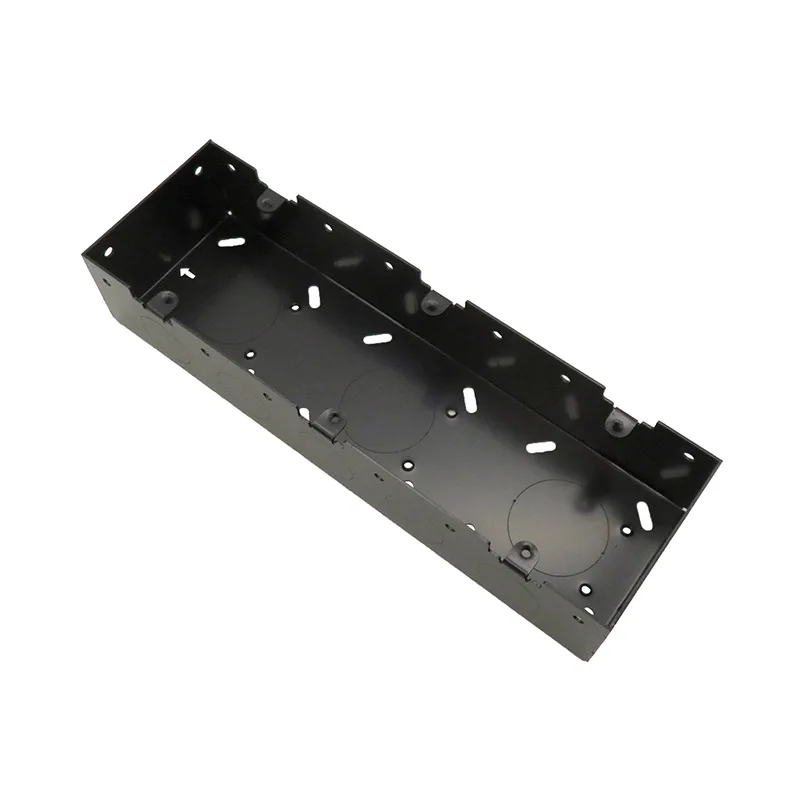
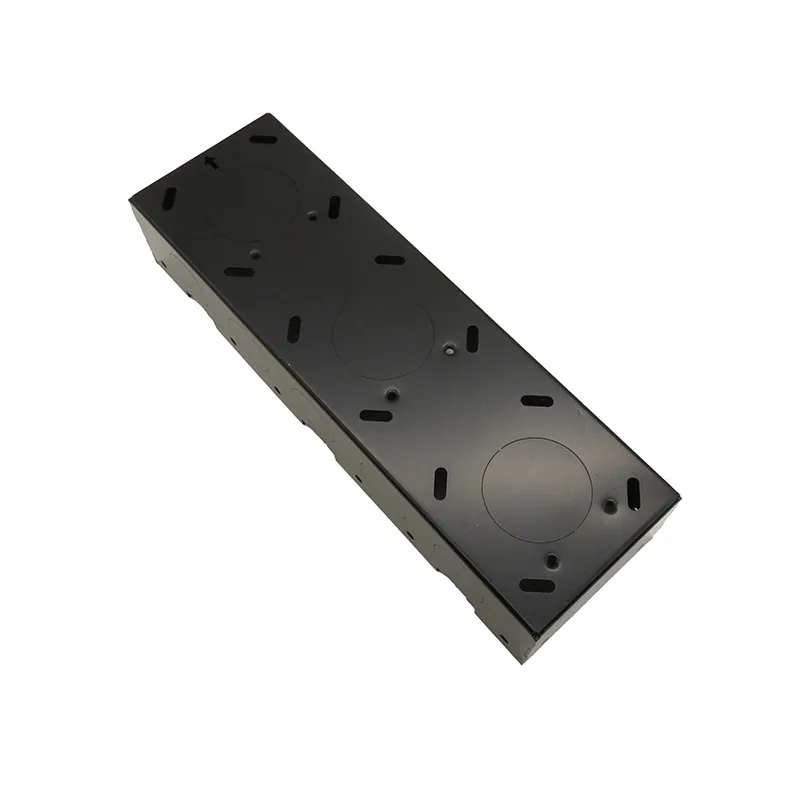
Distribution Cabinet Enclosure
Large-format distribution cabinet enclosure with multiple EMI knockouts and cable entry points. Extended length design for multi-row busbar arrangements.
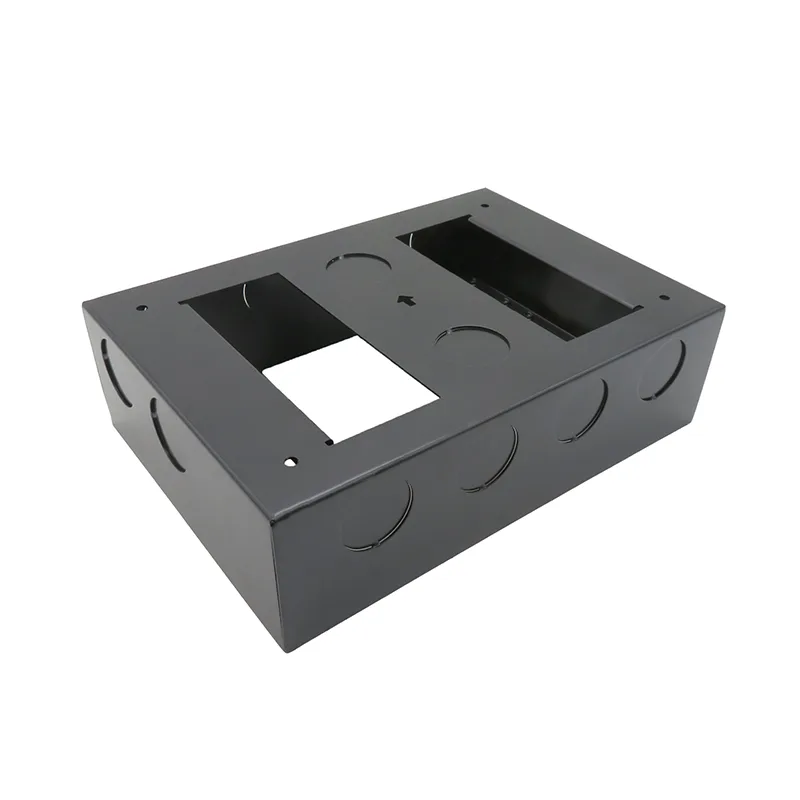
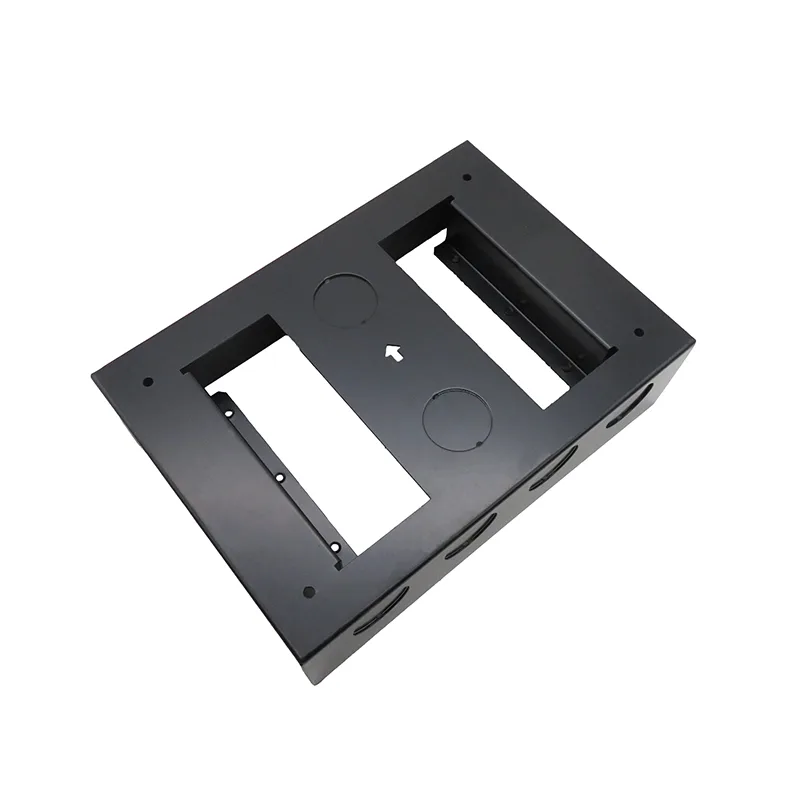
Distribution Box
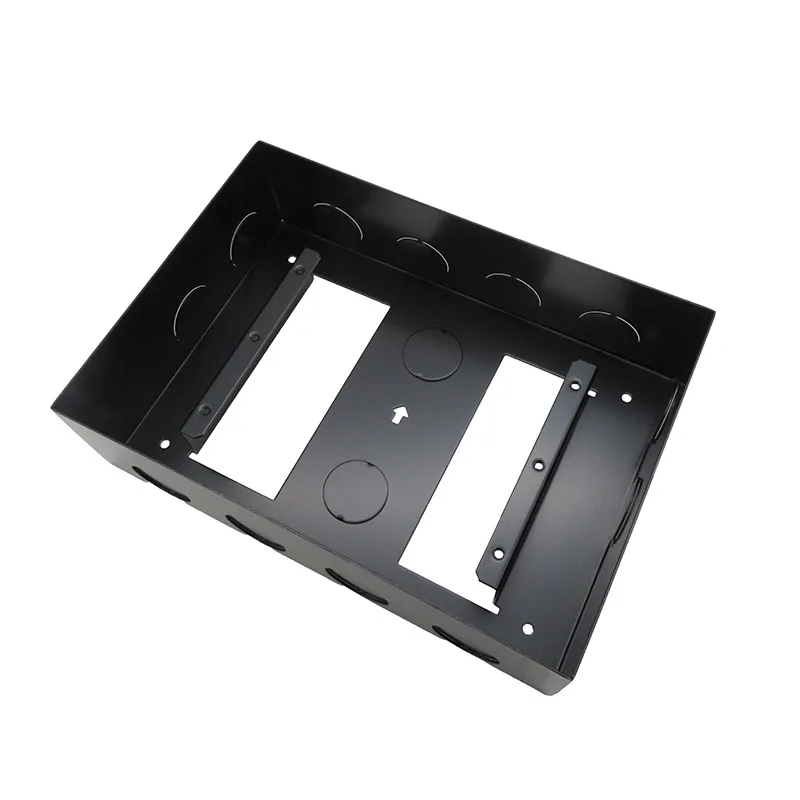
Wall-mounted distribution box with large rectangular cutouts for switchgear mounting and circular knockouts on side panels for cable entry.
Power Distribution Cable Tray
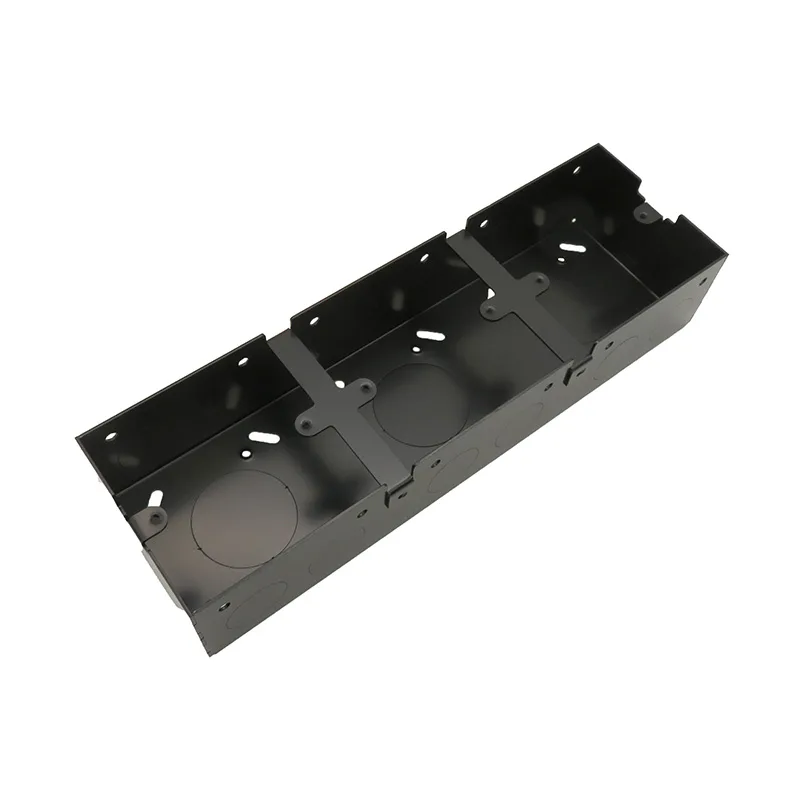
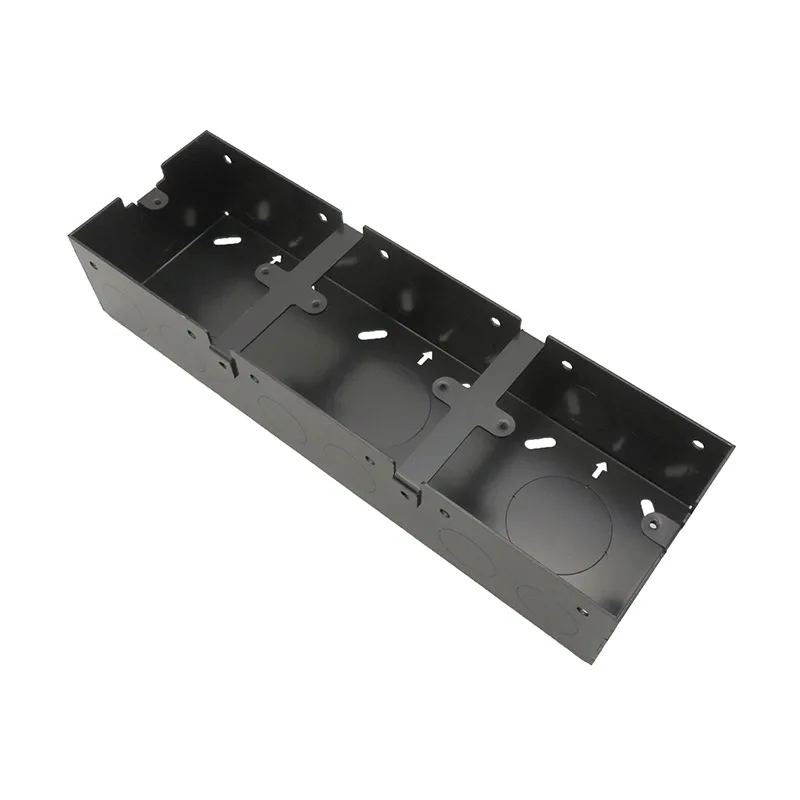
Open-style cable management tray for power distribution rack installations. Routes and organizes cables between equipment with multiple cable entry points and tie-down slots.
Copper Busbar Bracket
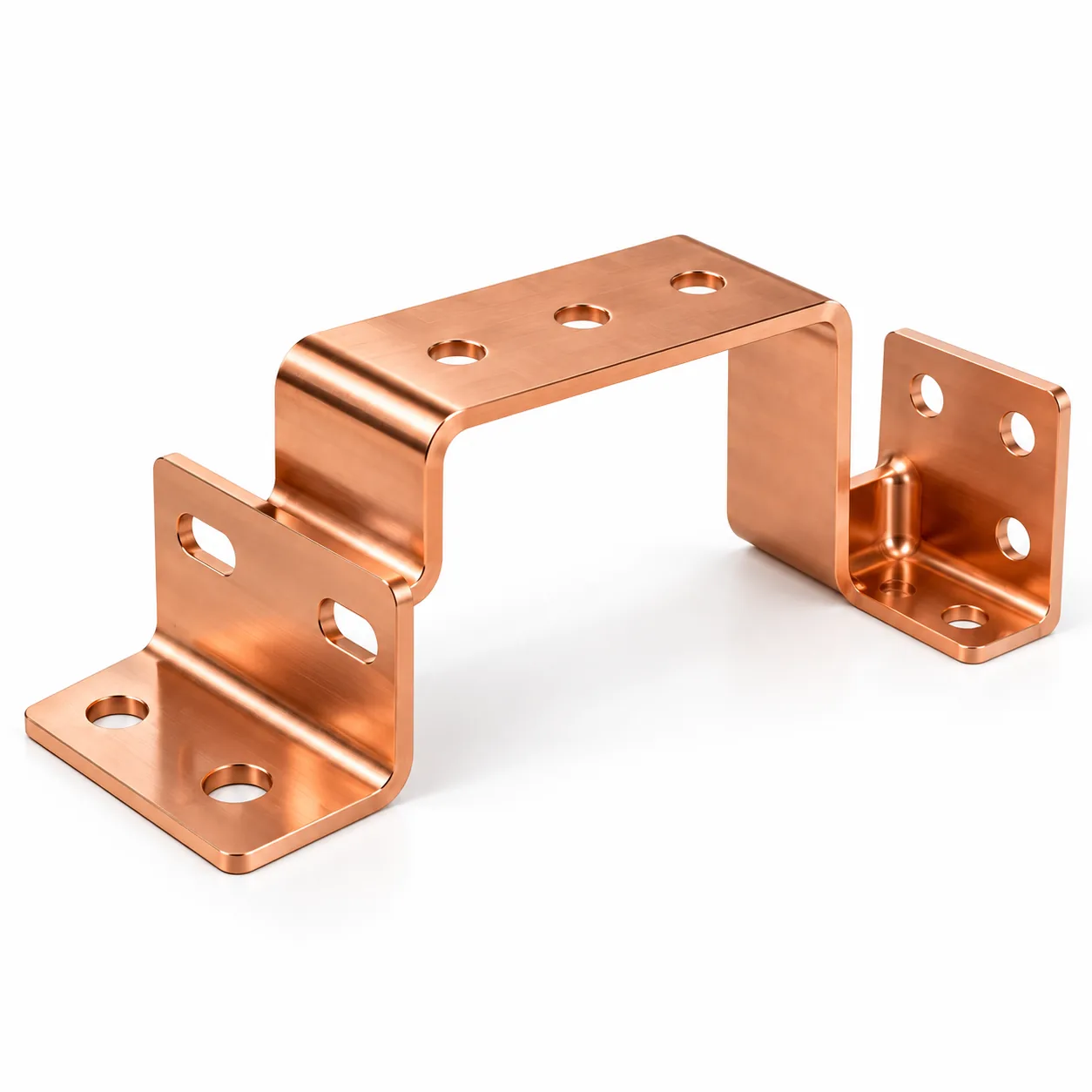
C11000 ETP copper bracket that supports and positions two busbars. The second bend radius is opened up to suit work-hardened copper, sheared edges are deburred before forming, and the current-carrying contact faces are masked so they stay bare metal.
Low Voltage Switchgear Cabinet (GGD / GCS / GCK)
LV distribution cabinet shell for GGD, GCS and GCK switchgear assemblies: 1.5–2.5 mm galvanised steel frame, removable side panels, busbar and cable compartments split by a metal barrier, and ventilation designed to move heat out without letting dust in.
All Power Grid sheet metal parts
- Junction Box
- Distribution Cabinet Enclosure
- Distribution Box
- Power Distribution Cable Tray
- Copper Busbar Bracket
- Low Voltage Switchgear Cabinet (GGD / GCS / GCK)
- Medium Voltage Switchgear Enclosure (KYN28)
- Distribution Box/Panel Board
- Ring Main Unit Enclosure — Outdoor RMU Kiosk
- Busbar Support & Insulator Bracket — Switchgear
- Transformer Enclosure — Dry & Oil-Filled Types
- Electric Meter Box & Metering Panel Enclosure
- Compact Substation Enclosure — Prefabricated
- Surge Protector Housing — DIN & Panel Mount
- Cable Junction/Distribution Box
Specifications we produce
- Material
- SGCC galvanized steel 1.5mm · SGCC galvanized steel 2.0mm · SGCC galvanized steel 1.2mm · C11000 ETP copper 3.0mm · SPCC 2.0mm · SPCC 2.5mm / AL-Zn coated steel · SPCC 1.2-1.5mm / SECC 1.0mm · SUS304 2.0mm / AL5052 2.5mm · SPCC 2.0-3.0mm / DMC insulating material · SGCC 2.0-2.5mm galvanized steel · SECC 1.0mm / SUS304 1.2mm · SGCC 2.5mm galvanized steel + sandwich panels · AL5052 1.5mm / SUS304 1.2mm
- Tolerance
- ±0.1mm
- Manufacturing processes
- Laser Cutting · CNC Bending · MIG Welding · Deburring · Tin Plating · laser cutting · CNC bending · MIG welding · stamping · bending · TIG welding · transparent window integration · insulation · precision laser · die casting or stamping · IP65 sealing
- Surface Finish
- Powder coat black, RAL 9005 · Powder coat gray · Powder coat black · Tin plated, contact faces masked bare · electrostatic powder coat RAL 7035 · powder coat + arc-resistant design · powder coat or chrome plating · outdoor powder coat IP65 · zinc plating or hot-dip galvanizing · hot-dip galvanized + powder coat · powder coat or brushed stainless IP65 · outdoor powder coat + anti-condensation · anodizing or passivation · powder coat or passivation
Power grid and utility enclosures: safety first, weather always
Switchgear cabinets, transformer enclosures and meter boxes sit in a sector where the consequences of a design shortcut are measured in safety incidents, not warranty claims. The sheet metal work is conservative by design: heavy gauge, well-earthed, sealed against weather, and documented so that the utility’s own audits can be passed.
These enclosures also live outdoors for decades with minimal maintenance, which pushes the material and coating decisions toward long-term corrosion behaviour rather than initial appearance.
- Typical power grid parts we manufacture
- Switchgear and distribution cabinets
- Transformer enclosures and covers
- Meter boxes and metering panels
- Busbar supports and mounting frames
- Substation kiosks with ventilation and drainage
- Earthing is a manufactured feature, not an afterthought
- Earth studs, bare-metal contact pads and continuity between door and frame have to be designed in: mask the coating where the earth strap lands, and keep a conductive path through hinged parts with a bonding strap. We treat these as defined drawing features with their own inspection points.
- Ventilation and drainage on outdoor enclosures
- Condensation is the enemy of a sealed cabinet. Louvre patterns, drip edges and a correctly placed drain keep water moving out, and they have to work with the internal electrical layout — so the ventilation design is agreed with the customer’s electrical engineer, not drawn last.
- Cable entry that survives the field
- Utility crews cut and gland cables on site. Reinforced entry plates, generous gland plates and a documented hole pattern mean the enclosure is not weakened or left with sharp edges after installation.
- Material and finish choices for utility enclosures
- SGCC galvanised steel 1.5–3.0 mm as the baseline; 304 stainless for coastal, industrial and underground installations; aluminium where weight or non-magnetic behaviour is required. Hot-dip galvanising on external frames, powder coat over galvanising for colour-coded cabinets, and stainless with passivation where maintenance will be minimal.
- Quality records utility buyers ask for
- Material certificates, coating thickness and adhesion records, dimensional reports against the electrical layout, earthing continuity documentation, and full batch traceability. Utility tenders often specify the documentation package up front, so we agree the inspection scope at quotation rather than at shipment.
What we make, not just who for
Enclosures, cabinets, chassis, brackets, panels and frames — with the design constraints each one comes with.
Sheet metal engineering guides
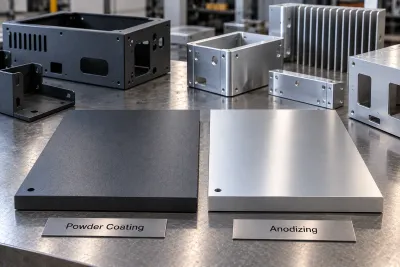 Powder Coating vs Anodizing: How to ChoosePowder wins on colour and substrate range; anodizing wins on wear and thinness. Five rules that decide it, with the cost drivers behind each.Read More
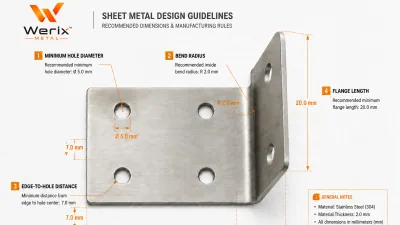 DFM for Sheet Metal: Essential Design Rules That Save Cost and Prevent Production FailuresDesign-for-manufacturing rules for sheet metal — minimum hole sizes, bend radii, edge distances, tab-and-slot design, and common mistakes that cause scrap.Read More
Have a custom part in mind?
Upload your product files or describe your specs — our engineers will return a quote with material, process, and cost details within 24 hours.