
Precision engineered, built in-house, shipped worldwide
Every component laser-cut, bent and welded on our floor in Dongguan, and finished under the same inspection.
Selected Works
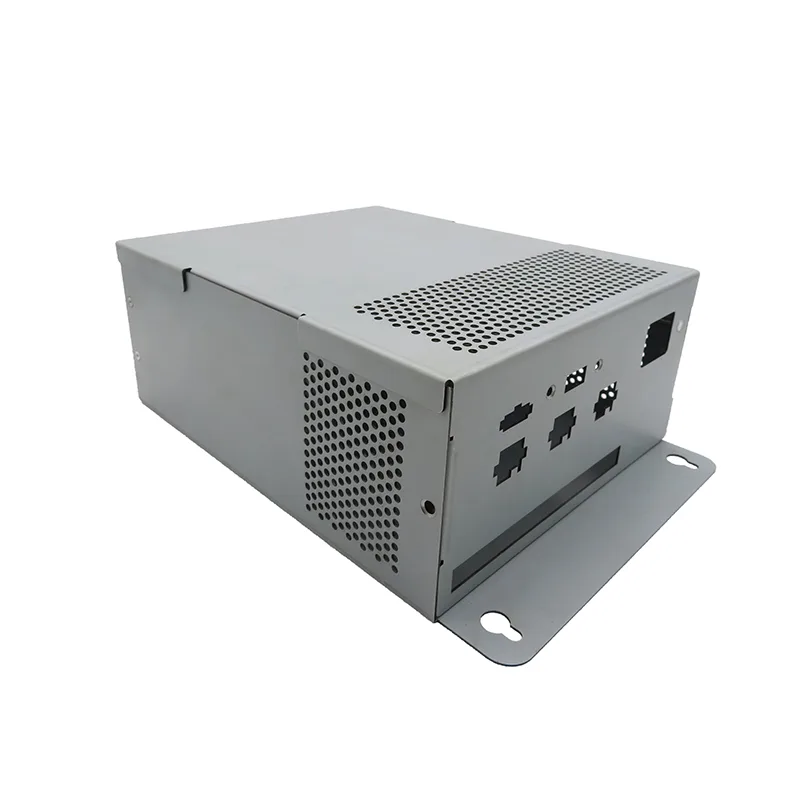
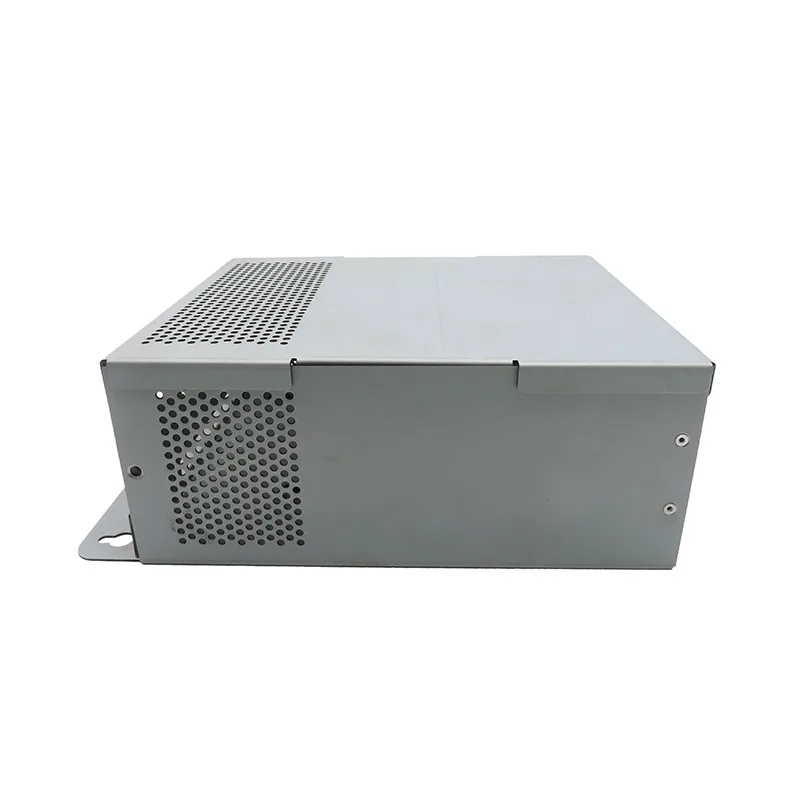
Network Switch Enclosure
Compact sheet metal enclosure for network switches and PoE injectors. Front panel features RJ45 port cutouts and display window.
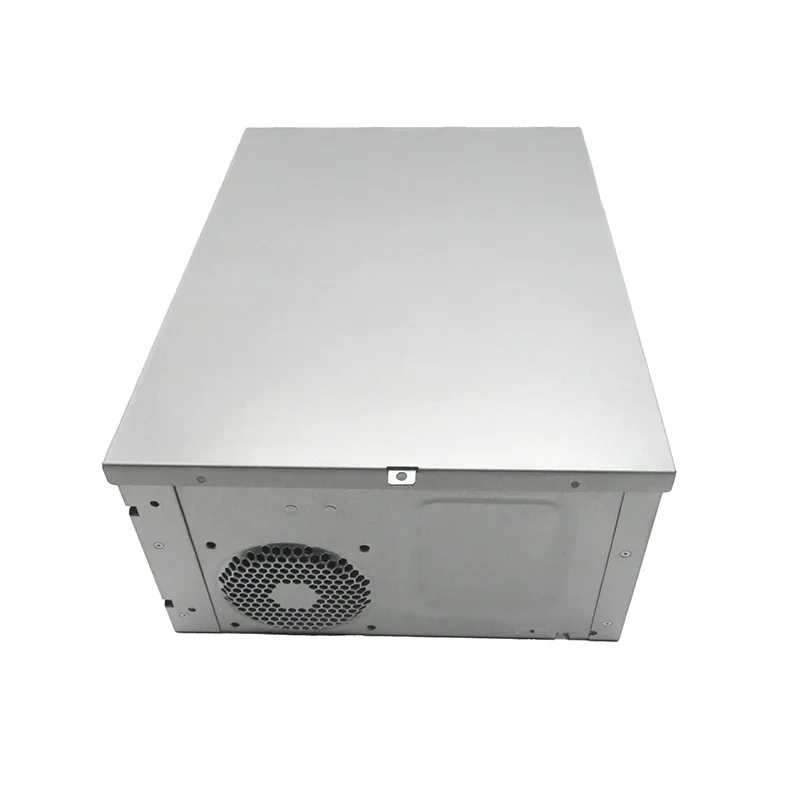
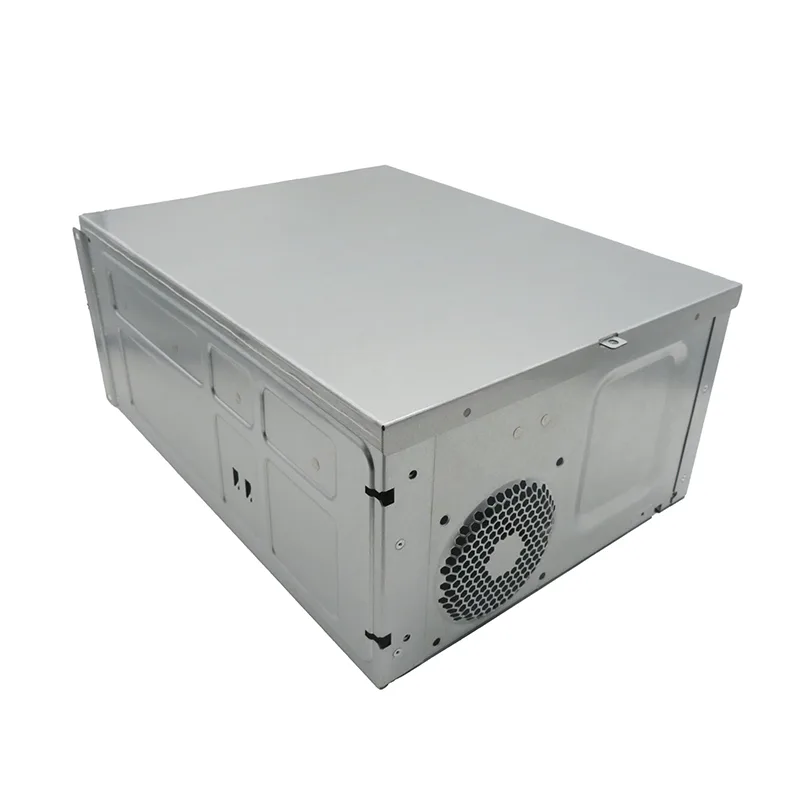
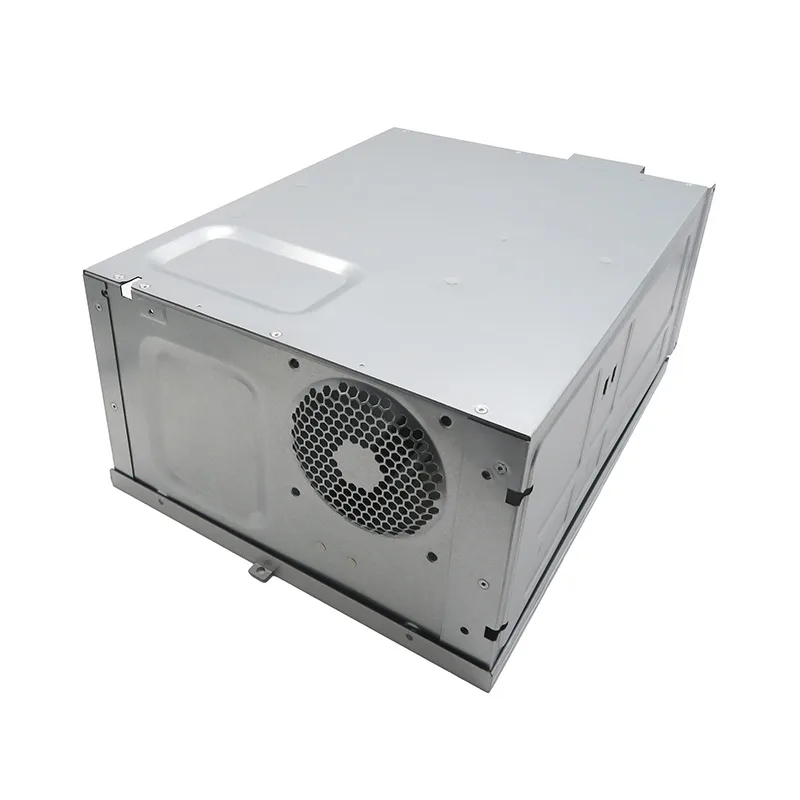
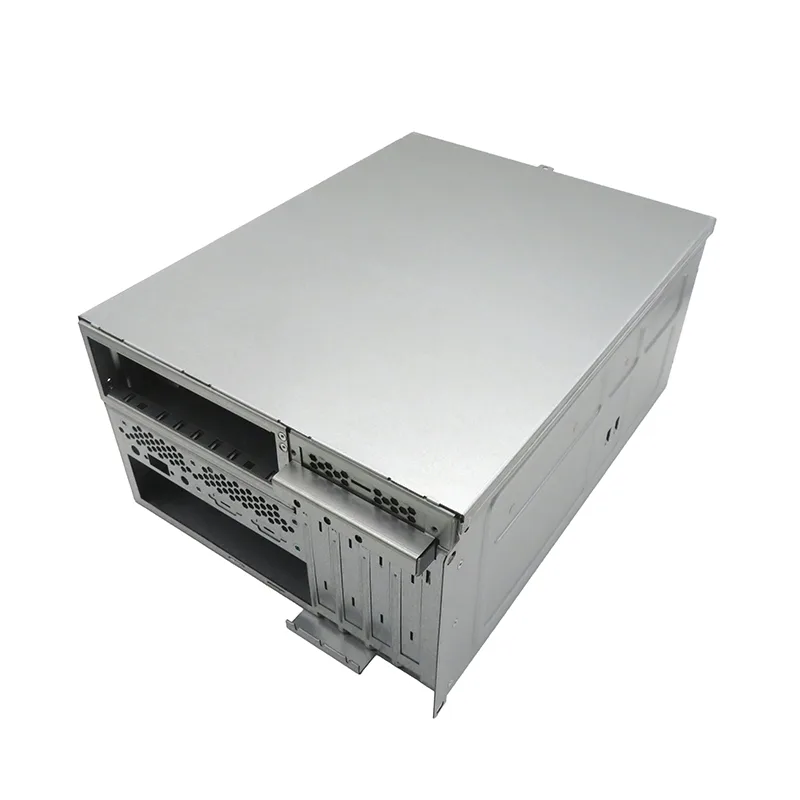
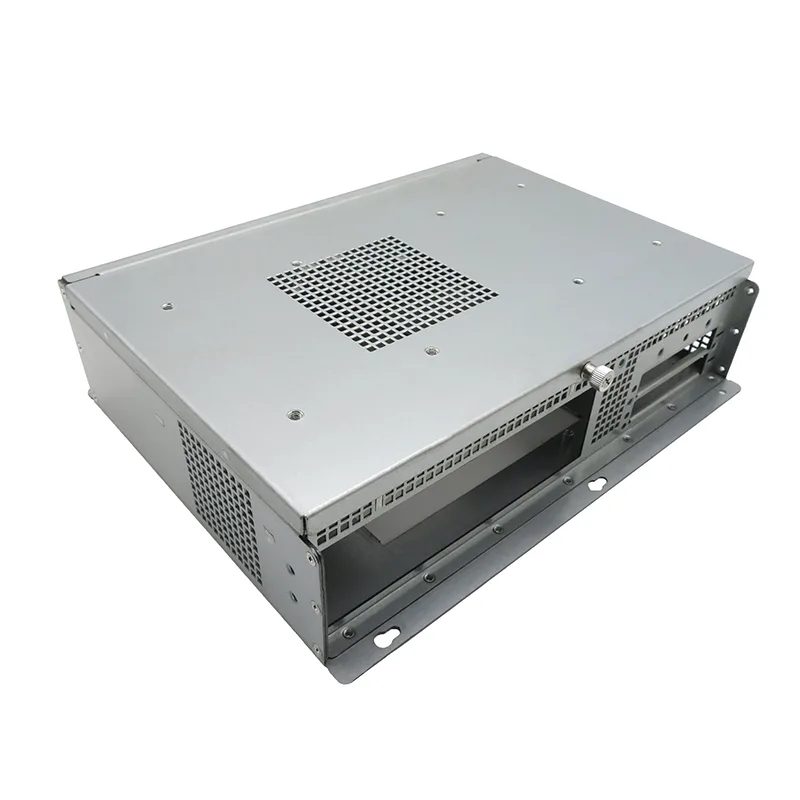
Telecom Equipment Chassis
Mid-size telecom equipment chassis with ventilated top cover and side fan grille. Designed for continuous-operation networking equipment.
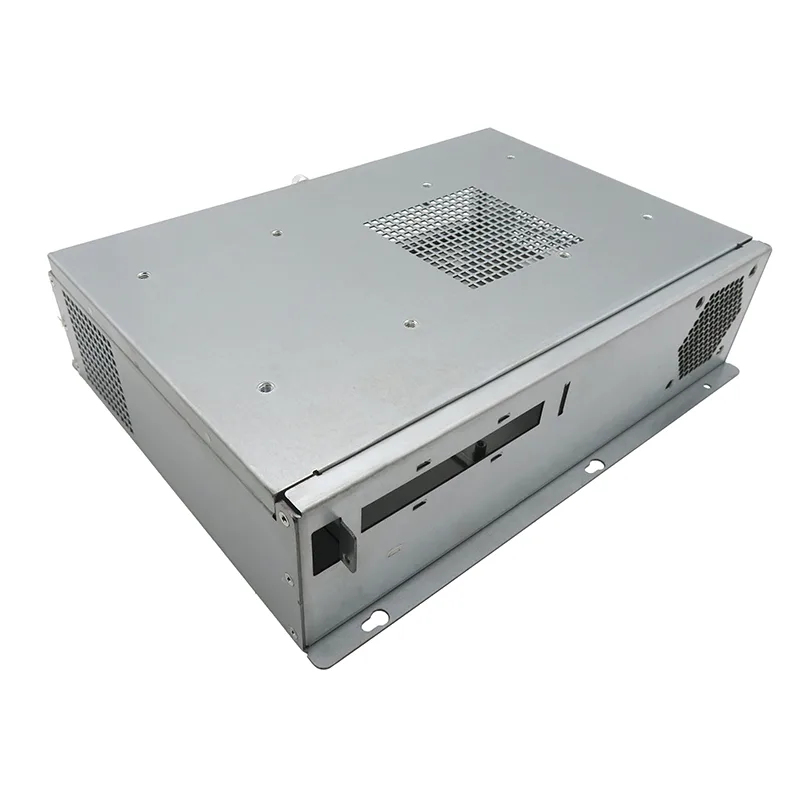
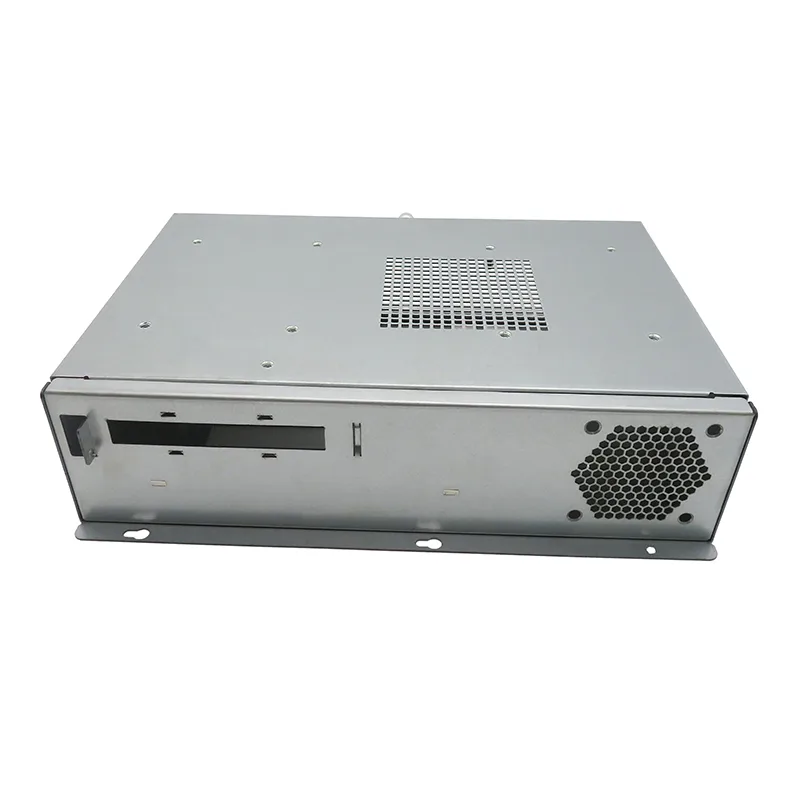
Equipment Tray
Deep U-channel equipment tray with internal mounting studs and standoff pins. Multiple cable routing holes on side walls.
Telecom Outdoor Cabinet
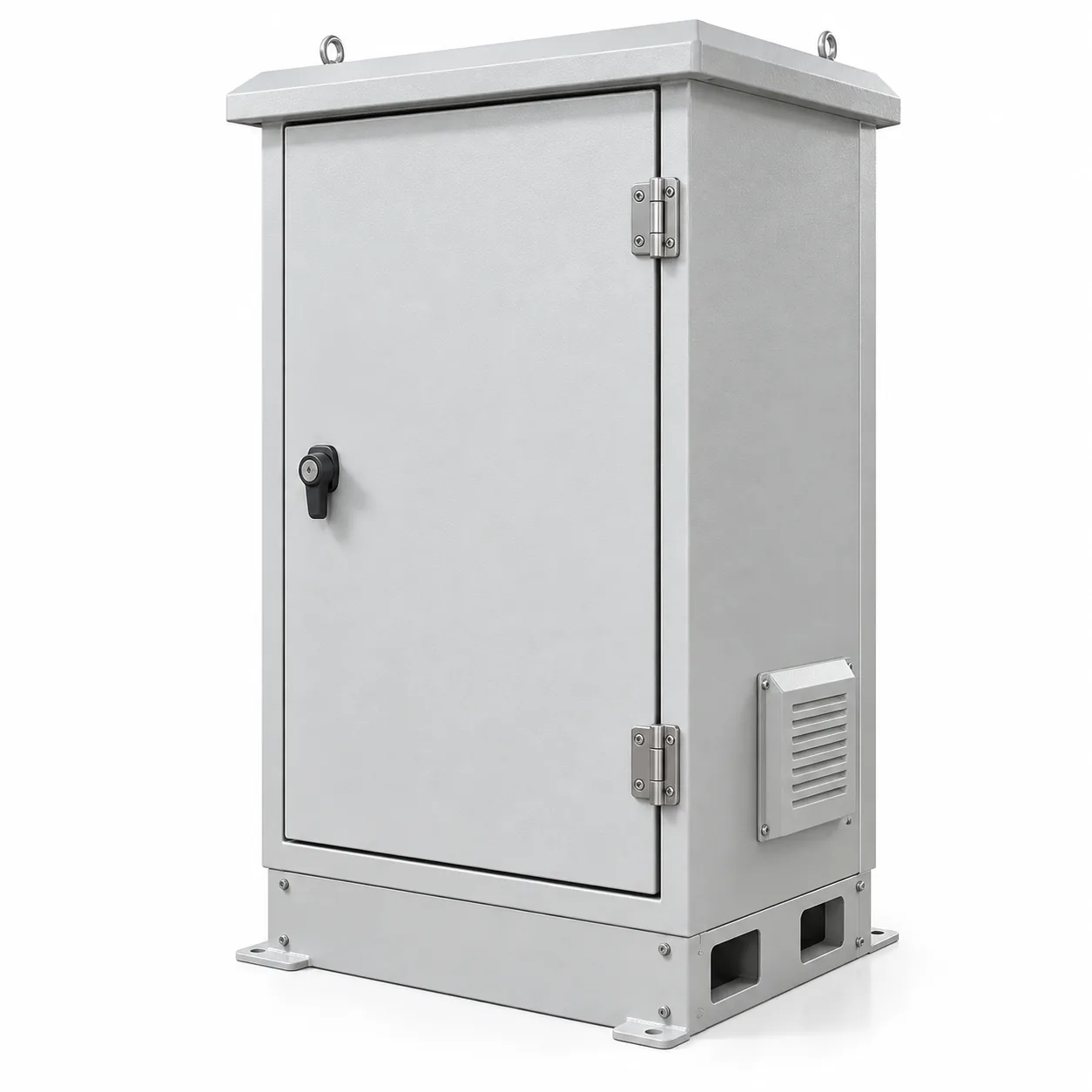
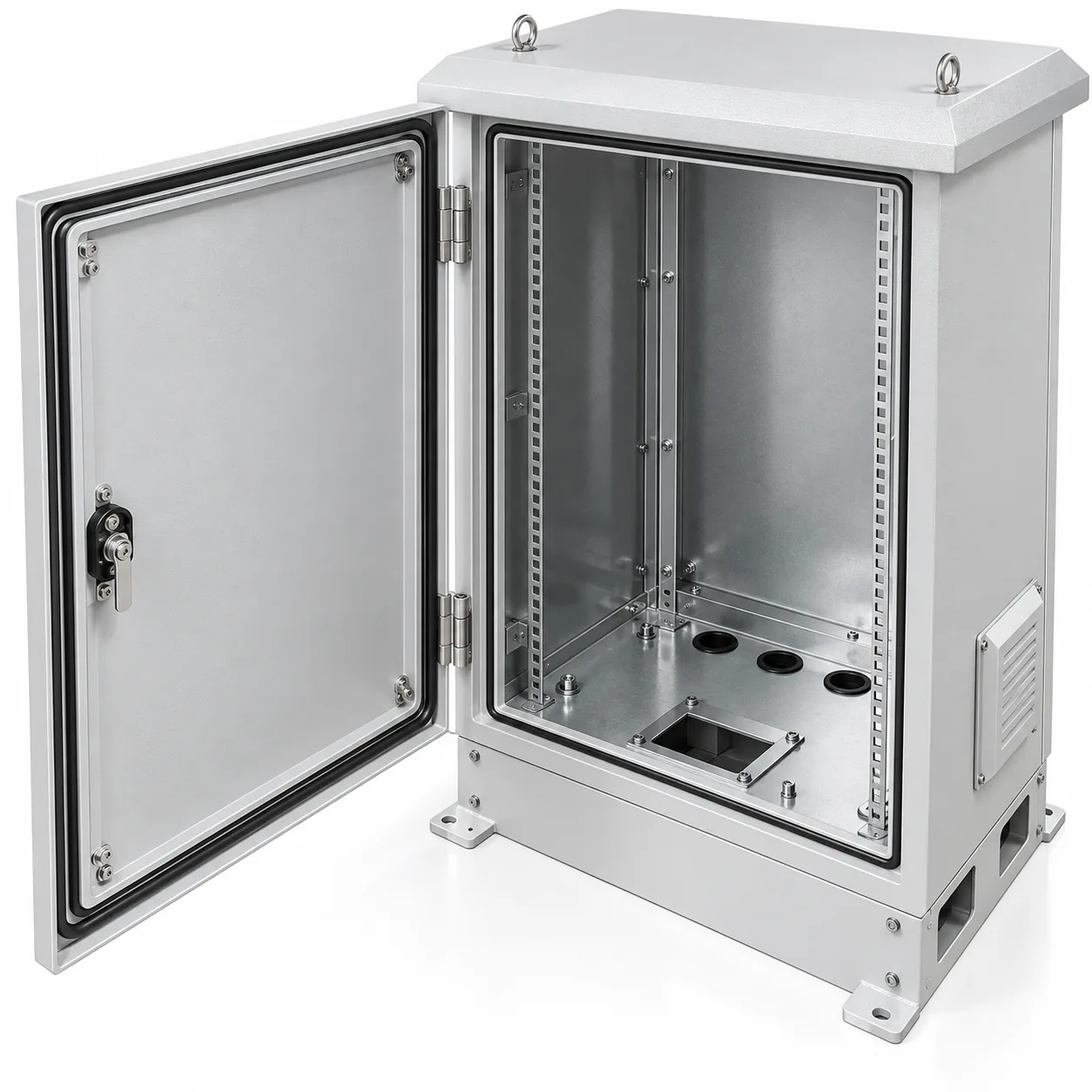
Pole- or plinth-mounted outdoor telecom cabinet with a continuous formed gasket groove, a captive quarter-turn lock and a welded base plate. Ships with the door removed and separately wrapped.
Fibre Splice Closure
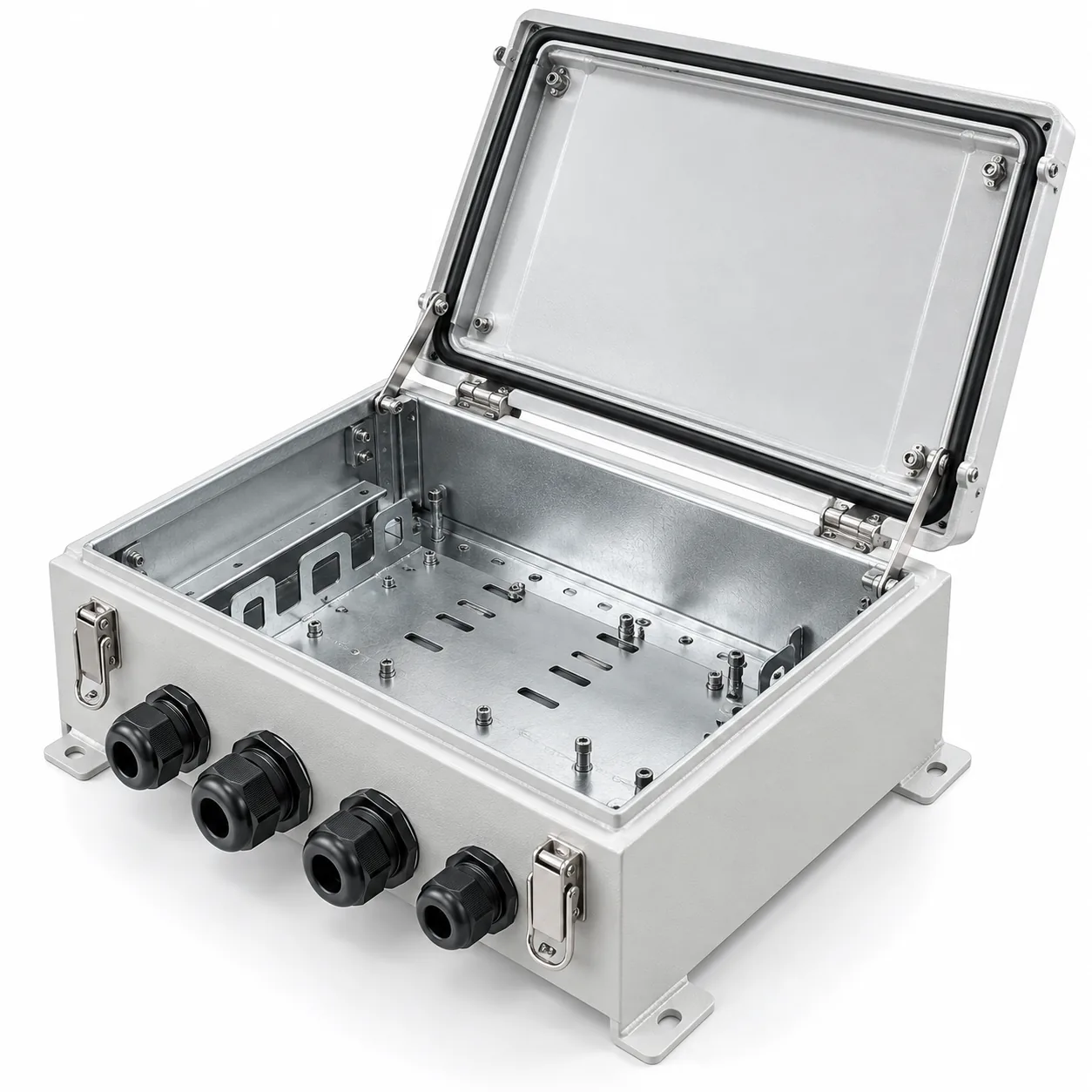
Wall- or pole-mounted outdoor fibre splice closure, roughly 400 × 300 × 150 mm, in 1.5 mm galvanised steel. The gasket groove is formed in one operation to a controlled depth and the cable entries are separate sealed ports so they can be re-entered on site without breaking the seal path.
Outdoor Telecom Cabinet
IP55/IP65-rated outdoor telecom cabinet engineered for 5G and 4G base station deployments. Constructed from heavy-gauge galvanized steel with double-wall insulation and forced-air ventilation channels to protect sensitive RF equipment in extreme weather conditions from -40°C to +55°C.
All Telecom sheet metal parts
- Network Switch Enclosure
- Telecom Equipment Chassis
- Equipment Tray
- Telecom Outdoor Cabinet
- Fibre Splice Closure
- Outdoor Telecom Cabinet
- Indoor 19" Network Cabinet
- 5G AAU/RRH Enclosure
- Fiber Optic Distribution Frame (ODF)
- Antenna Mounting Bracket
- Base Station Power Supply Cabinet
- Filter/Combiner Enclosure
- Small Cell Housing
- Server Rack Accessories
Specifications we produce
- Material
- SECC steel 1.0mm · SPCC cold-rolled steel 1.5mm · SPCC steel 1.5mm · SGCC galvanized steel 1.5mm, 2.0mm base plate · SGCC galvanized steel 1.5mm · SGCC galvanized steel 1.5–2.0mm · AL5052-H32 aluminum 1.5mm · SPCC cold-rolled steel 1.2mm · SGCC galvanized steel 3.0mm · SGCC galvanized steel 2.0mm · AL6061-T6 aluminum 2.0mm · AL5052-H32 aluminum 1.2mm · SPCC 1.5mm steel / AL5052 aluminum
- Tolerance
- ±0.1mm · ±0.5mm on the mating flange · ±0.2mm, gasket groove depth held along its length · ± 0.1 mm · ± 0.10 mm · ± 0.20 mm
- Manufacturing processes
- Precision Laser Cutting · CNC Bending · Spot Welding · Laser Cutting · MIG Welding · Zinc Plating · TIG Welding · Powder Coating · Hardware Insertion · Hot-Dip Galvanizing · CNC Milling · Deep Drawing · Stamping
- Surface Finish
- Electrostatic powder coat, silver · Powder coat silver · Zinc plated · Powder coat, textured RAL, earth stud and seal lands masked · Powder coat over zinc, gasket land masked · Outdoor polyester powder coat RAL 7035, salt spray 1000h · Textured electrostatic powder coat, matte black · Outdoor anodizing Type II, 15µm, UV-resistant · Electrostatic powder coat, light gray · Hot-dip galvanized, zinc layer ≥70µm · Outdoor powder coat RAL 7035 · Chromate conversion coating (Alodine) · UV-resistant outdoor powder coat · Zinc plating or powder coat black
Telecom enclosures: what actually fails in the field
Outdoor telecom equipment is judged over ten years of weather, not over the day it ships. An enclosure that looks right on the bench can fail its second summer if the coating system, the gasket seating or the condensation path were designed as afterthoughts. Most of what we change in a telecom DFM review is not geometry — it is how water, heat and fastener preload behave on that geometry.
Because base-station cabinets and fibre distribution boxes are installed on poles, walls and street furniture, the same part often has to satisfy different mounting traditions by market. We build to the drawing, but we also flag the details that typically come back: the cable-entry knockouts, the earthing points, the hinge load, and whether the door needs to open with a tool or without one.
- Typical telecom parts we manufacture
- Outdoor base-station cabinets with IP55 gasket channels and plinth
- Fibre distribution boxes with port-specific knockout patterns
- 19-inch rack side panels, plinths and cable-management trays
- Pole-mount brackets and wall frames in galvanised steel
- Antenna shrouds and weather hoods in aluminium
- Ingress protection is a gasket and flatness problem
- An IP55 door does not fail because the gasket is wrong; it fails because the door panel is not flat enough to compress it evenly. Powder coating adds 60–120 µm per face and bakes at 180–200 °C, which is enough to move an unreinforced 1.5 mm panel. We add return flanges or form the stiffening into the panel so the sealing face stays flat through the cure, and we check flatness before the gasket channel is welded in, not after painting.
- Cable entries decide the finish you can accept
- Every knockout is a bare-metal edge in a powder-coated wall. Rounded or drawn knockouts keep the coating intact around the entry; punched holes with burrs let moisture creep under the film and start rust from the inside. If the installer will punch their own entries on site, we design a reinforced landing area so their tool does not deform the panel.
- Galvanic pairs on pole-mounted hardware
- Aluminium housings bolted to galvanised steel brackets with stainless fasteners create two different galvanic environments in one joint. Isolating washers and sleeve-type fastener holes are cheap at the fabrication stage and expensive to retrofit at 2 a.m. on a mast. We ask about the mounting stack early because it changes both the hole specification and the finish.
- Material and finish choices for telecom hardware
- SGCC galvanised steel in 1.2–2.0 mm is the workhorse for outdoor cabinets: the zinc layer protects cut edges, and powder coat over it survives UV and salt spray well. 5052 aluminium wins where the enclosure is lifted, mounted high or weight-limited, and where anodising is preferred over paint. 304 stainless is reserved for coastal and industrial-atmosphere installations where coating damage would otherwise become a rust path. We would rather change the coating system than add thickness — thickness is where cost and weight compound.
- Quality records telecom buyers ask for
- Telecom programmes usually arrive with a defined inspection scope: first-article inspection per drawing revision, dimensional reports on the sealing faces, coating thickness readings and salt-spray expectations from the finish specification. We issue those with the shipment as standard, and batch traceability runs from the raw coil number through to the packed cabinet so a field claim can be traced to a production date.
What we make, not just who for
Enclosures, cabinets, chassis, brackets, panels and frames — with the design constraints each one comes with.
Sheet metal engineering guides
 Zinc Plating vs Nickel PlatingZinc protects steel even when scratched, for cents. Nickel is harder and brighter but 3-5x the cost. The finish decision, in one table.Read More
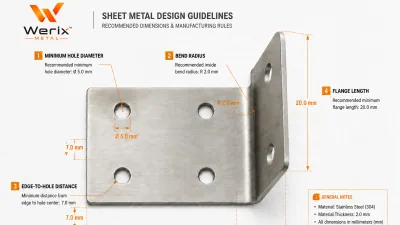 DFM for Sheet Metal: Essential Design Rules That Save Cost and Prevent Production FailuresDesign-for-manufacturing rules for sheet metal — minimum hole sizes, bend radii, edge distances, tab-and-slot design, and common mistakes that cause scrap.Read More
Have a custom part in mind?
Upload your product files or describe your specs — our engineers will return a quote with material, process, and cost details within 24 hours.