
Precision engineered, built in-house, shipped worldwide
Every component laser-cut, bent and welded on our floor in Dongguan, and finished under the same inspection.
Selected Works
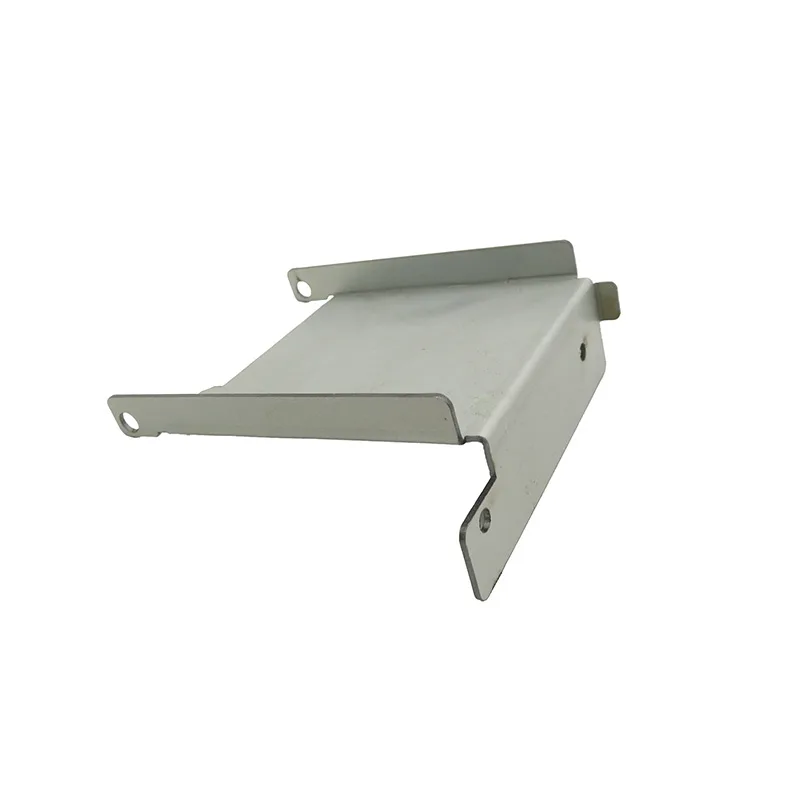
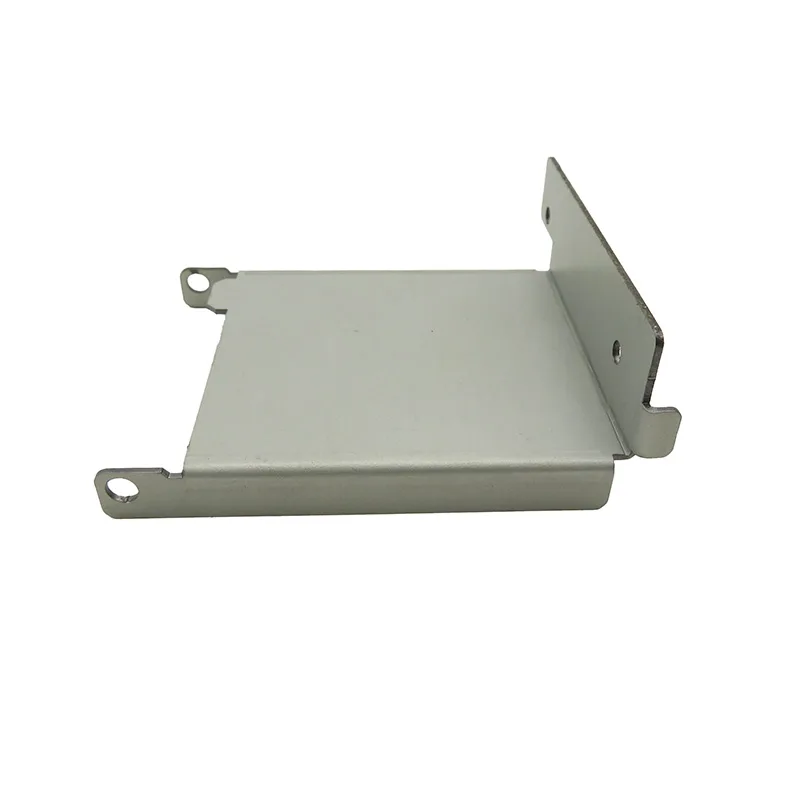
3D Printer Frame Bracket
Simple galvanized L-shaped bracket for 3D printer frame assembly. Mounting holes on both flanges. Basic two-bend design for rapid manufacturing.
Industrial 3D Printer Enclosure
Full enclosure for industrial FDM/SLA/SLS printers providing thermal stability, dust protection, and noise isolation. Integrated ventilation ports and display window cutouts. The dominant sheet metal component in every 3D printer.
3D Printer Heated Chamber
Insulated chamber maintaining stable temperatures up to 70°C for engineering-grade polymer printing. Double-wall construction prevents heat loss during high-temperature processing.
3D Printer Heated Bed Platform
Precision flat aluminum platform CNC-machined to ±0.1mm flatness for consistent first-layer adhesion. Hard anodized surface resists scratching from build plate tools.
Extruder Mount
Precision CNC-machined bracket mounting the extruder hotend to the printer gantry. Exact positioning tolerances ensure consistent extrusion and layer alignment.
Linear Rail Mount
Precision mounting plates for linear guide rails machined to ±0.1mm for backlash-free axis motion. Critical for print quality — misalignment causes dimensional inaccuracy.
All 3D Printing sheet metal parts
- 3D Printer Frame Bracket
- Industrial 3D Printer Enclosure
- 3D Printer Heated Chamber
- 3D Printer Heated Bed Platform
- Extruder Mount
- Linear Rail Mount
- 3D Printer Control Box
- 3D Printer Frame/Chassis
Specifications we produce
- Material
- SGCC galvanized steel 2.0mm · AL5052-H32 1.5mm / SPCC 1.2mm · AL5052 aluminum 1.0mm + insulation · AL6061-T6 aluminum 4.0mm · AL6061-T6 aluminum 3.0mm · AL6061-T6 aluminum 5.0mm · SPCC 1.0mm / AL5052 1.2mm · AL6063-T5 extrusion + AL5052 1.5mm panels
- Tolerance
- ±0.1mm · ± 0.08 mm · ± 0.10 mm · ± 0.03 mm · ± 0.02 mm
- Manufacturing processes
- Laser Cutting · CNC Bending · Spot Welding · Precision Laser Cutting · Riveting · CNC Milling · Flat Grinding · Anodizing · CNC Machining · Tapping · Drilling · Ventilation Punching · Extrusion Cutting
- Surface Finish
- Hot-dip galvanized · Textured powder coat black · Reflective anodizing interior, powder coat exterior · Hard anodizing Type III, 25µm · Anodizing Type II · Powder coat or anodizing · Anodizing Type II, silver or black
3D printer frames and housings: rigidity, alignment, appearance
Consumer and professional 3D printers combine a stiff structural frame with visible cosmetic panels and tight clearances around moving axes. The frame decides print quality; the housings decide whether the product looks like a tool or a consumer device. Both come from the same sheet metal supplier, and the two halves of that job need different treatment.
Volumes in this sector ramp quickly from first-article quantities to thousands per month, which favours a supplier who can move the part from laser-and-bend to tooling without changing the drawing or the datum scheme.
- Typical 3D printing parts we manufacture
- Frame plates and gantry mounting plates
- Optical platform bases and vibration-damping subframes
- Cosmetic side panels and covers
- Electronics enclosures and PSU covers
- Build-chamber panels and doors
- Frame flatness is the print-quality spec
- A 0.3 mm bow in a base plate shows up as a first-layer problem across the whole build area. Flatness after coating is what counts, so we add stiffening rather than gauge, and we measure after the paint cure — the same discipline we use for gasketed telecom doors.
- Cosmetic panels and the visible fastener problem
- Consumer-facing panels are judged at arm’s length. Flush fasteners, countersunk holes and consistent grain direction on brushed faces are the details that make a panel look engineered. We ask which faces are visible in the product photos before we set the finish standard.
- Alignment features belong in the metal, not the assembly jig
- Locating bosses and registration holes formed in the plate make assembly self-fixturing. That is a die-level decision and it is much cheaper to add before tooling than after the first production run.
- Material and finish choices for 3D printer hardware
- SPCC 1.0–2.0 mm for structural plates, 5052 aluminium where weight or thermal stability matters, and SGCC for enclosed electronics covers. Anodising on aluminium optical platforms; powder coat on cosmetic steel panels; brushed finish where a machined look is part of the product language.
- Quality records 3D printing buyers ask for
- Dimensional reports on the frame datum and the mounting grid, flatness records on base plates, coating thickness on cosmetic panels, and batch traceability for spare-part supply. Because this sector ships globally and sells to consumers, the packaging specification is part of the quality agreement and we build it into the quote.
What we make, not just who for
Enclosures, cabinets, chassis, brackets, panels and frames — with the design constraints each one comes with.
Sheet metal engineering guides
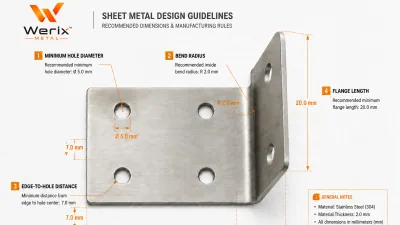 DFM for Sheet Metal: Essential Design Rules That Save Cost and Prevent Production FailuresDesign-for-manufacturing rules for sheet metal — minimum hole sizes, bend radii, edge distances, tab-and-slot design, and common mistakes that cause scrap.Read More
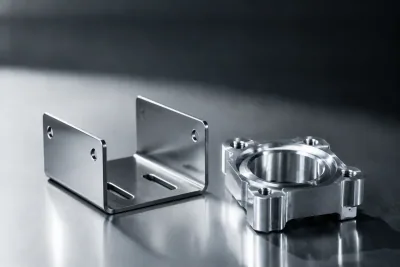 Sheet Metal Fabrication vs CNC Machining: How to Choose the Right ProcessSheet metal fabrication and CNC machining serve different geometries, volumes, and budgets. This data-backed comparison covers cost, tolerance, materials, and lead time.Read More
Have a custom part in mind?
Upload your product files or describe your specs — our engineers will return a quote with material, process, and cost details within 24 hours.