
Precision engineered, built in-house, shipped worldwide
Every component laser-cut, bent and welded on our floor in Dongguan, and finished under the same inspection.
Selected Works
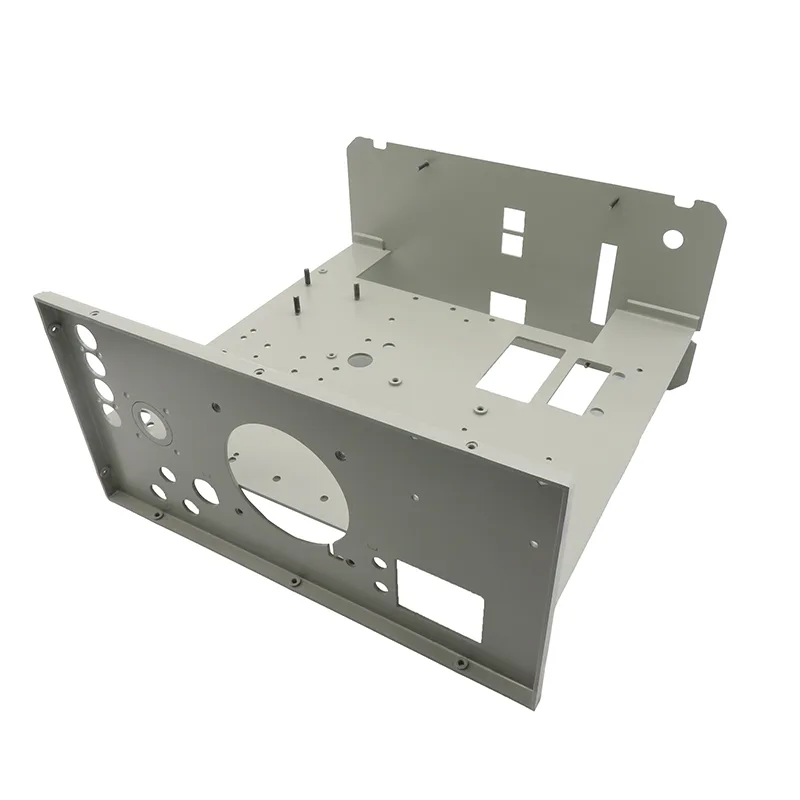
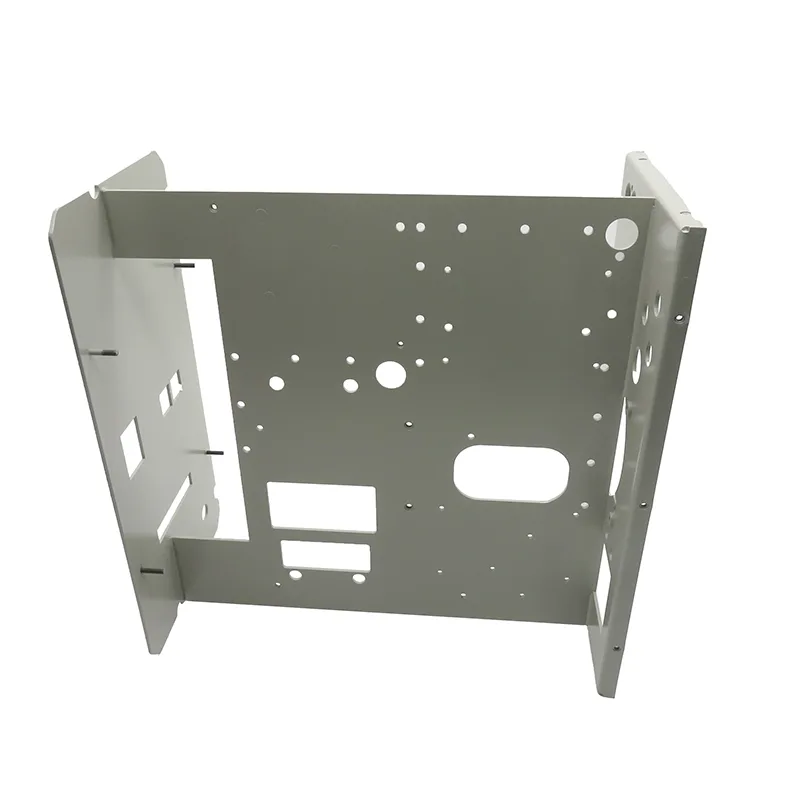
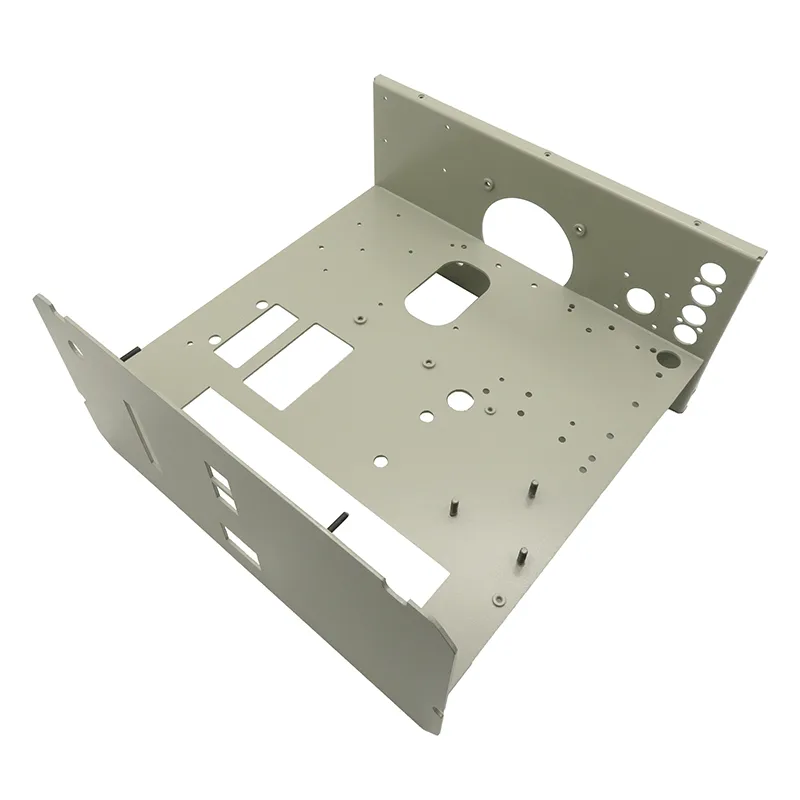
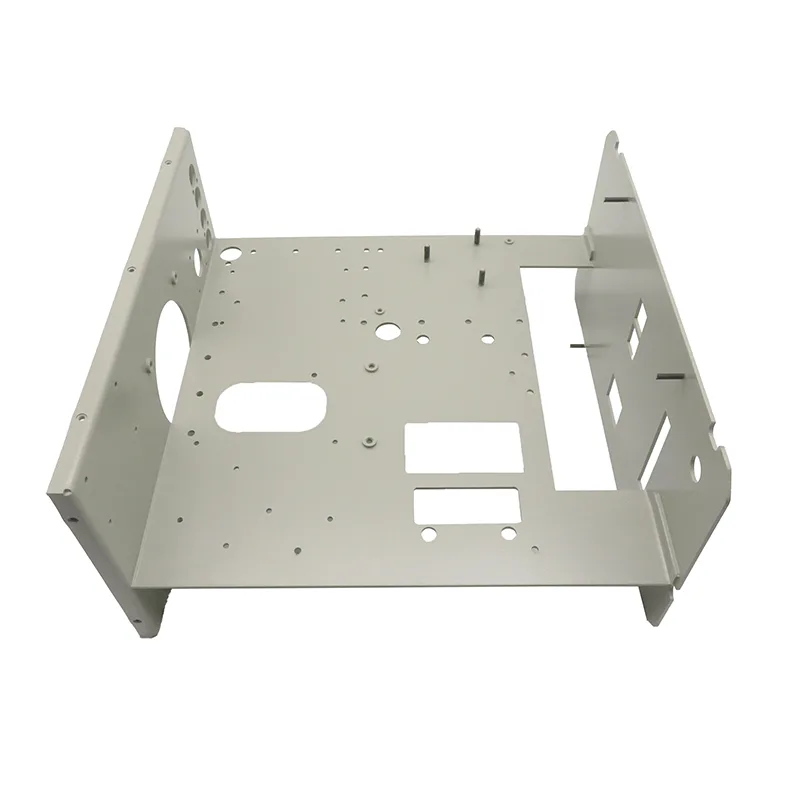
Industrial PC Chassis
Open industrial PC chassis with multi-level internal structure. Front panel provisions for I/O ports, drive bays, and expansion slots.
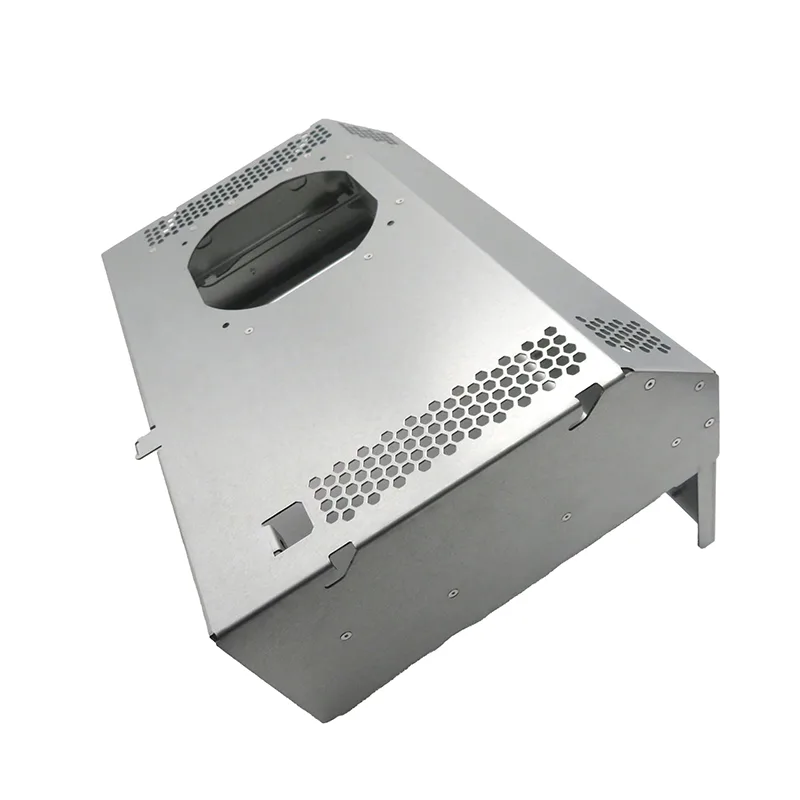
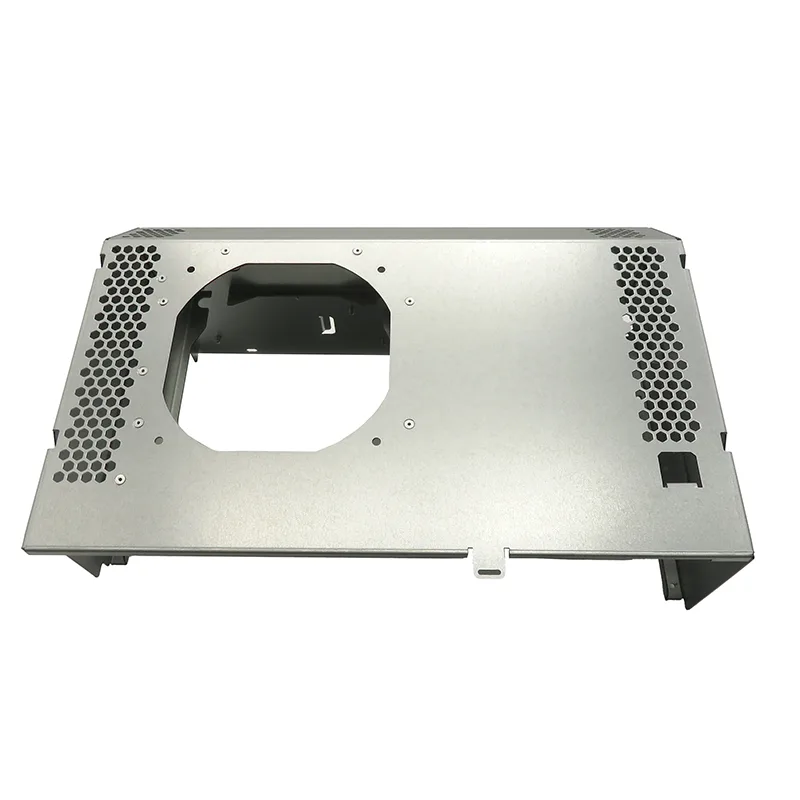
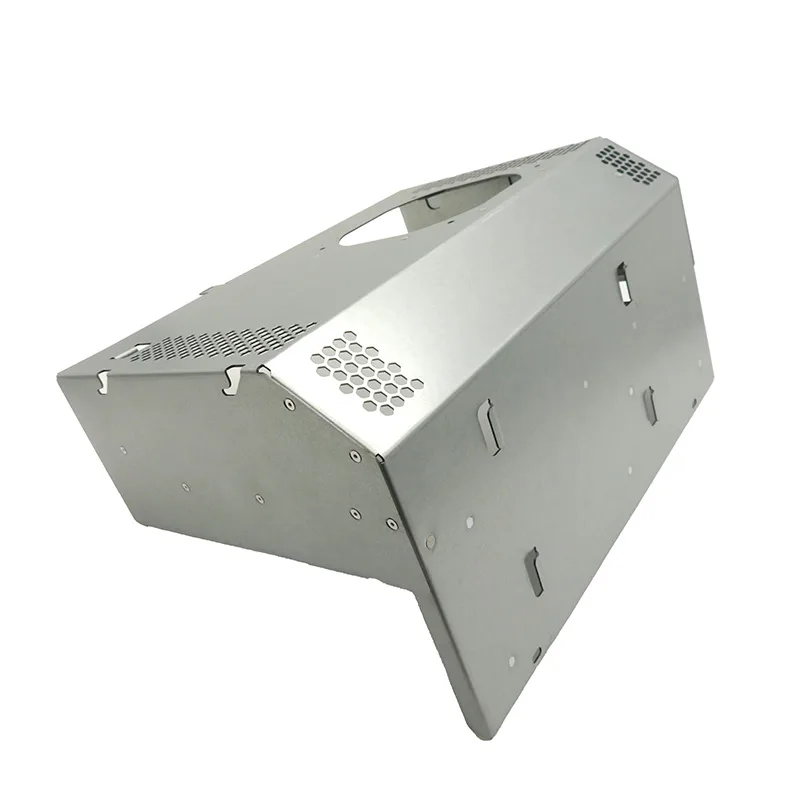
Compact Server Enclosure
Compact aluminum server enclosure with honeycomb ventilation mesh and integrated handle. Lightweight yet rigid for edge computing deployments.
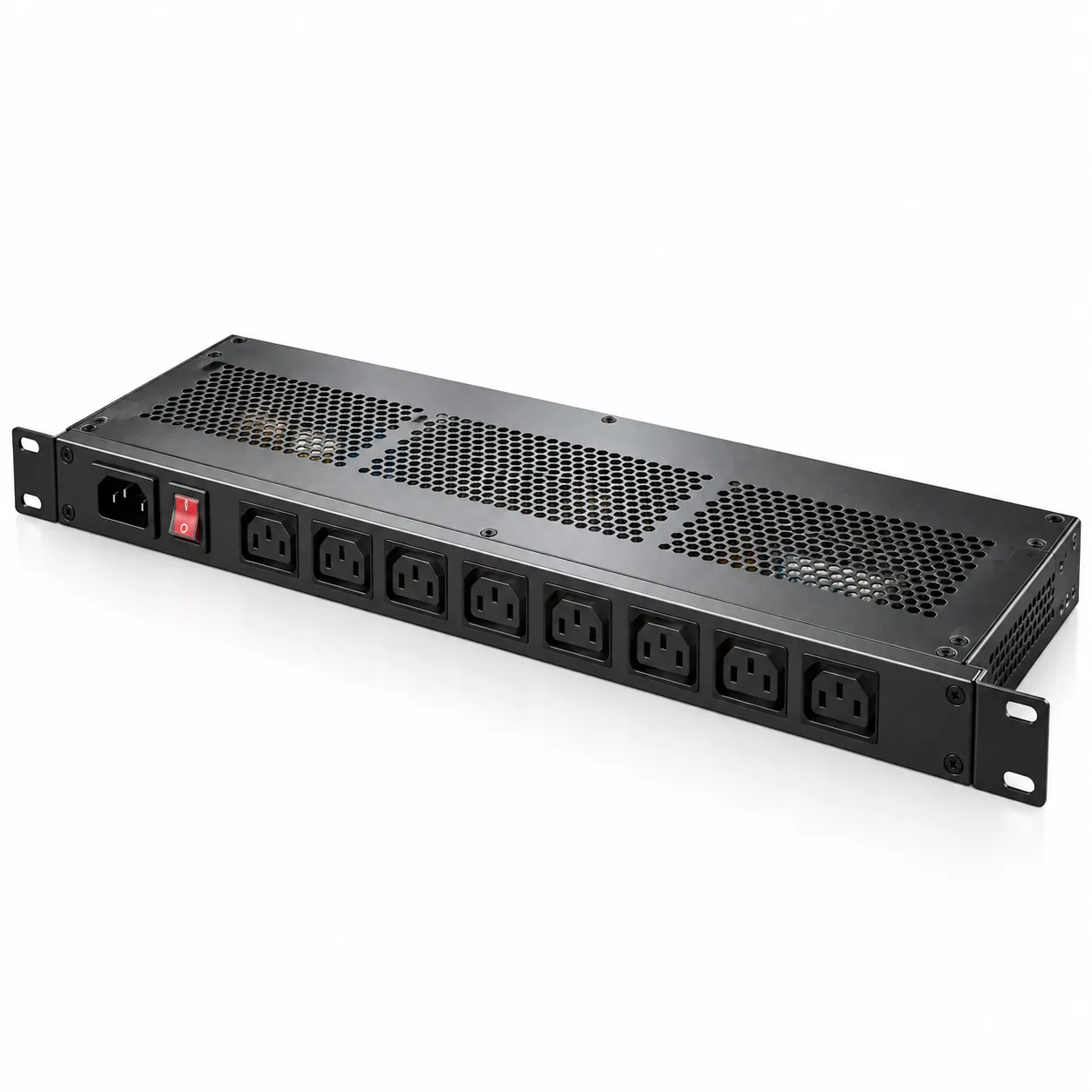
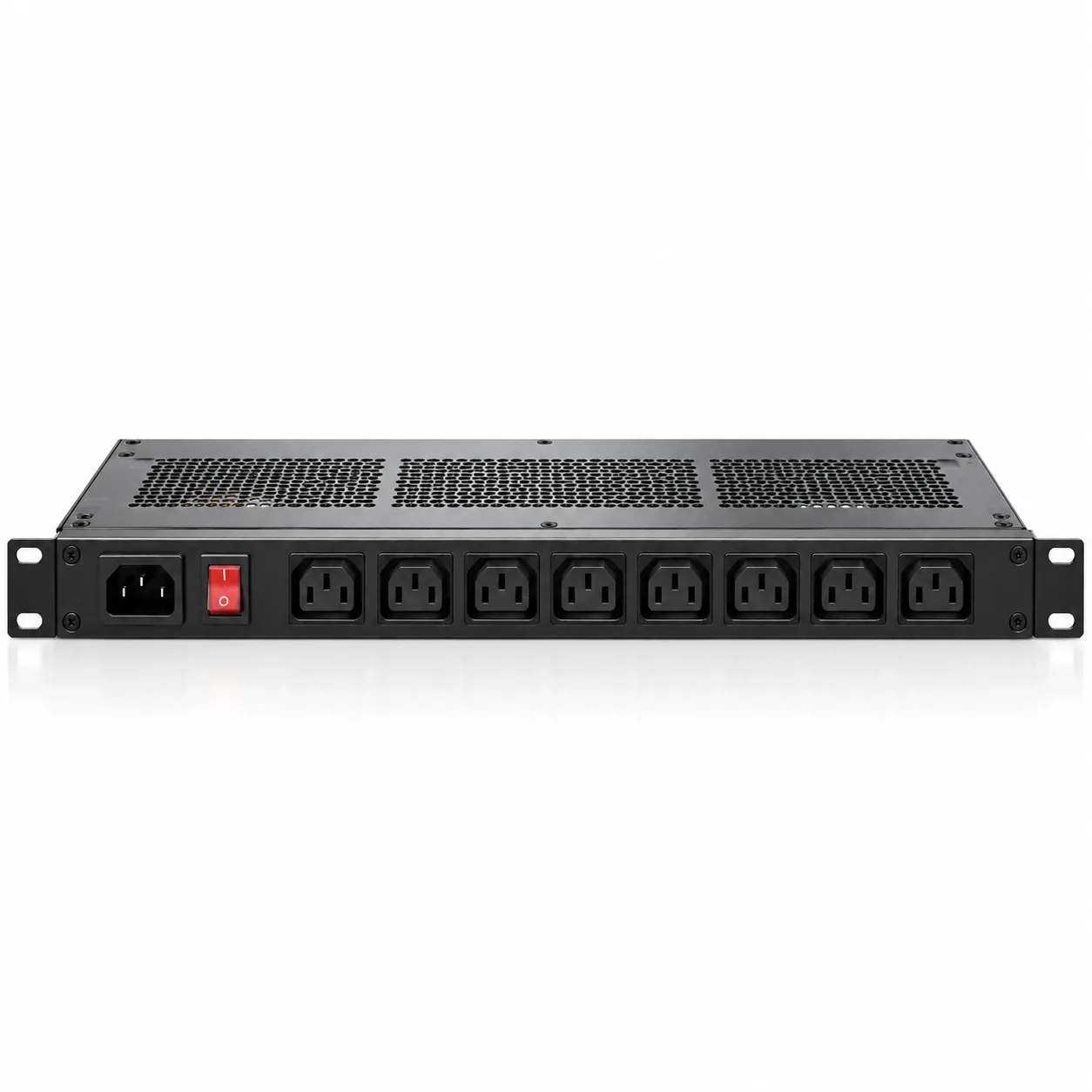
Rack PDU Enclosure
19-inch 1U rack power distribution unit housing in 1.2 mm cold-rolled steel. A shallow rib formed behind the front panel and extended side returns hold the tray square without going to thicker sheet, and the perforated top panel is cut to an agreed open-area figure.
42U Standard Server Rack Cabinet
Floor-standing 42U 19-inch server rack with high-capacity cooling design, featuring perforated front and rear doors, vertical cable management channels, and tool-less rail adjustment. Supports static loads up to 1500kg for dense AI server deployments.
GPU Server Chassis
High-density 4U/8U rackmount chassis designed for AI and GPU compute servers housing multiple NVIDIA H100/B200 GPU cards. Features enhanced airflow channels, reinforced mounting rails for heavy GPU assemblies, and precision PEM fastener integration for tool-less maintenance.
Wall-Mount Network Cabinet
Compact 6U–12U wall-mount enclosure for edge computing installations, small network closets, and retail locations. Swing-out rear door for easy cable access, integrated ventilation fans, and lockable front glass door for equipment monitoring.
All Data Center sheet metal parts
- Industrial PC Chassis
- Compact Server Enclosure
- Rack PDU Enclosure
- 42U Standard Server Rack Cabinet
- GPU Server Chassis
- Wall-Mount Network Cabinet
- Hot/Cold Aisle Containment Panels
- UPS Battery Cabinet
- Cable Management Tray / Ladder Rack
- Open Frame Rack
- Liquid Cooling Manifold Housing
- Rack-Mount Blanking Panel
Specifications we produce
- Material
- SPCC steel 1.5mm · AL5052-H32 aluminum 1.5mm · SPCC cold-rolled steel 1.2mm · SPCC cold-rolled steel 2.0mm · SGCC galvanized steel 1.5mm · SGCC galvanized steel 1.0mm · AL6061-T6 aluminum 3.0mm · SPCC steel 1.0mm / AL5052 aluminum 1.0mm
- Tolerance
- ±0.1mm · ±0.1mm, 19-inch rail interface to EIA-310 · ± 0.10 mm · ± 0.08 mm · ± 0.1 mm · ± 0.20 mm
- Manufacturing processes
- Laser Cutting · CNC Bending · Spot Welding · Precision Laser Cutting · TIG Welding · PEM Insertion · CNC Turret Punching · Riveting · MIG Welding · Stamping · Welding · Hardware Assembly · CNC Machining · Pressure Testing
- Surface Finish
- Zinc plated · Brushed aluminum finish · Powder coat, earth stud and rail contact lands masked · Textured powder coat RAL 9005 matte black · Black powder coat, anti-fingerprint · Textured powder coat, matte black · Galvanized + powder coat white · Powder coat RAL 7035 light gray · Hot-dip galvanized or powder coat · Powder coat black matte · Anodizing Type II, clear · Powder coat black or brushed aluminum
Data-centre sheet metal: flatness, repeatability and the 19-inch grid
Data-centre hardware lives or dies on repeatability. A rack is a grid: 19-inch mounting flanges, unit heights in multiples of 44.45 mm, and cable entries that line up across hundreds of cabinets installed by different crews. The parts we make for this industry are therefore less about exotic geometry and more about holding the same position, batch after batch, including after coating.
Thermal loads keep rising, which pushes more of the airflow design into the sheet metal — baffles, blanking panels, cable management that does not block the front-to-back path. Those parts are thin, numerous and cosmetic on one face, which makes them sensitive to handling and packaging as much as to forming.
- Typical data-centre parts we manufacture
- Server rack side panels, rear doors and plinths
- PDU enclosures with knockouts aligned to the rack grid
- Blanking panels and airflow baffles
- Cable management rings and trays
- Battery-cabinet frames for UPS rooms
- The mounting grid is the real tolerance
- A ±0.1 mm hole pattern is meaningless if the reference datum changes between lots. We hold the grid to the drawing datum — not to the panel edge — and we ask which features the customer measures on incoming inspection, because those are the ones that must never drift.
- Coating thickness eats your tolerance budget
- Powder coat adds up to 0.24 mm across a panel. On a slide-in blanking panel that is the whole clearance. Either the drawing allows for the coating or we move the part to a thinner, pretreated finish. We raise this before the die is cut rather than after the first batch fails to slide.
- Cosmetic faces need a packaging decision
- A hairline scuff on a rear panel is nothing; on a front bezel it is a rejection. Cosmetic faces get individual film, interleaved packing and a defined cosmetic zone on the drawing so the inspection standard matches what the end user will actually see.
- Material and finish choices for data-centre hardware
- SGCC galvanised steel is standard for structural panels; SPCC with powder coat where the appearance matters; aluminium 5052 where weight or thermal conduction matters. Black powder coat dominates for airflow and aesthetics, and EMI shielding requirements push some customers to conductive coatings or nickel-plated contact points — both of which we can apply, but they change the finish specification and the lead time, so it is worth deciding early.
- Quality records data-centre buyers ask for
- Typical requirements are dimensional reports against the 19-inch grid, coating thickness verification, and RoHS/REACH declarations for the finish system. Because installations are phased, we keep batch traceability so a replacement panel ordered twelve months later matches the original hole pattern without a new first-article run.
What we make, not just who for
Enclosures, cabinets, chassis, brackets, panels and frames — with the design constraints each one comes with.
Sheet metal engineering guides
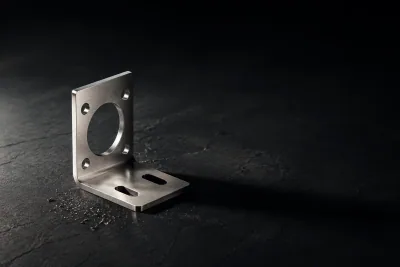 8 Proven Ways to Cut Sheet Metal Costs Without Sacrificing QualityFrom bend radius optimization to material nesting — eight actionable design and sourcing strategies that reduce cost while maintaining part performance.Read More
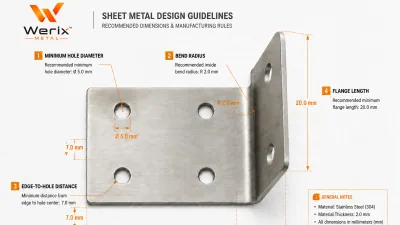 DFM for Sheet Metal: Essential Design Rules That Save Cost and Prevent Production FailuresDesign-for-manufacturing rules for sheet metal — minimum hole sizes, bend radii, edge distances, tab-and-slot design, and common mistakes that cause scrap.Read More
Have a custom part in mind?
Upload your product files or describe your specs — our engineers will return a quote with material, process, and cost details within 24 hours.