
Precision engineered, built in-house, shipped worldwide
Every component laser-cut, bent and welded on our floor in Dongguan, and finished under the same inspection.
Selected Works
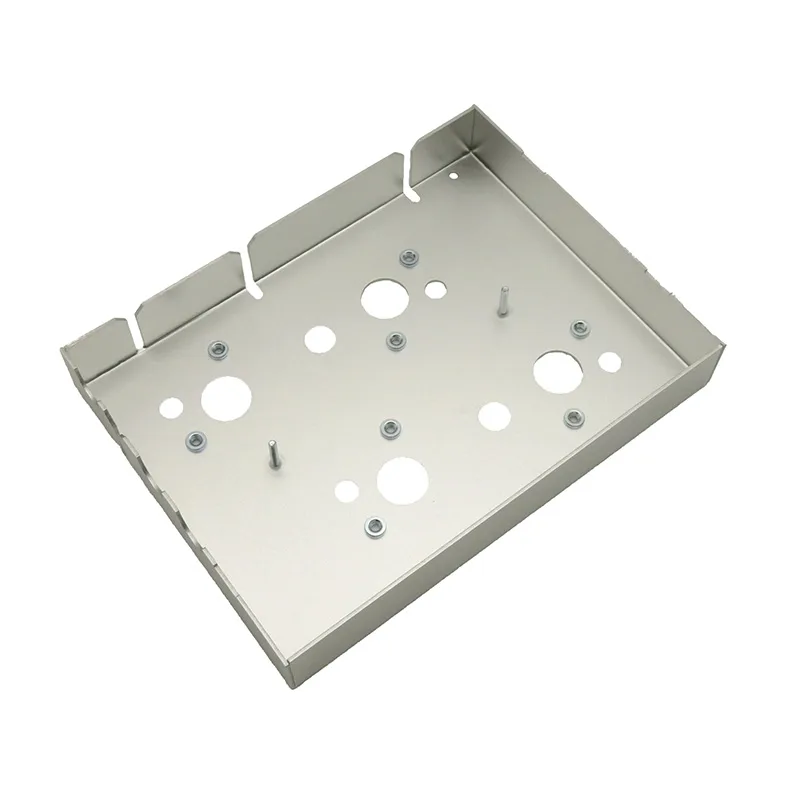
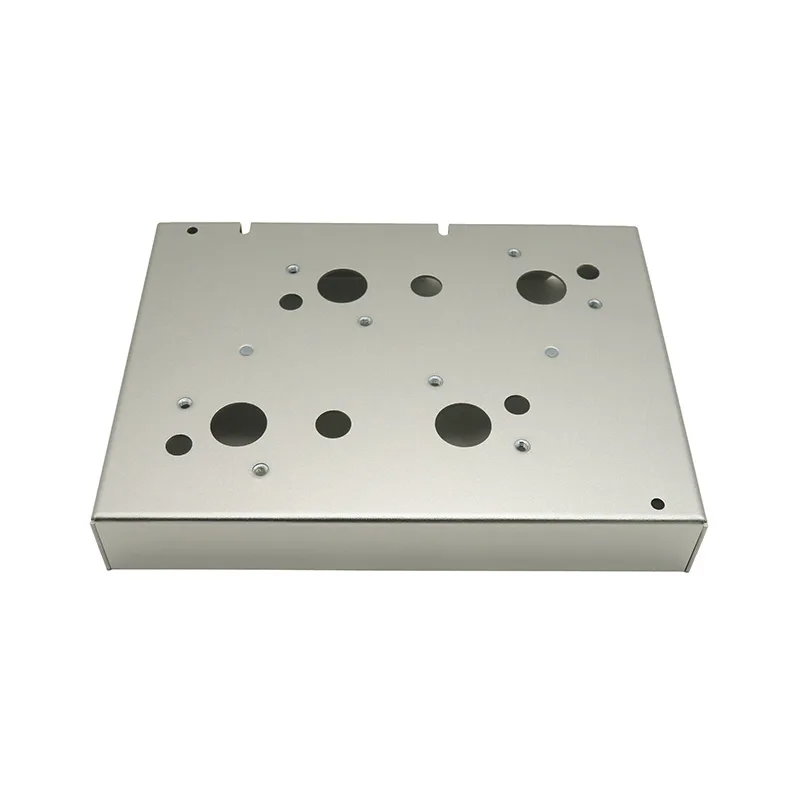
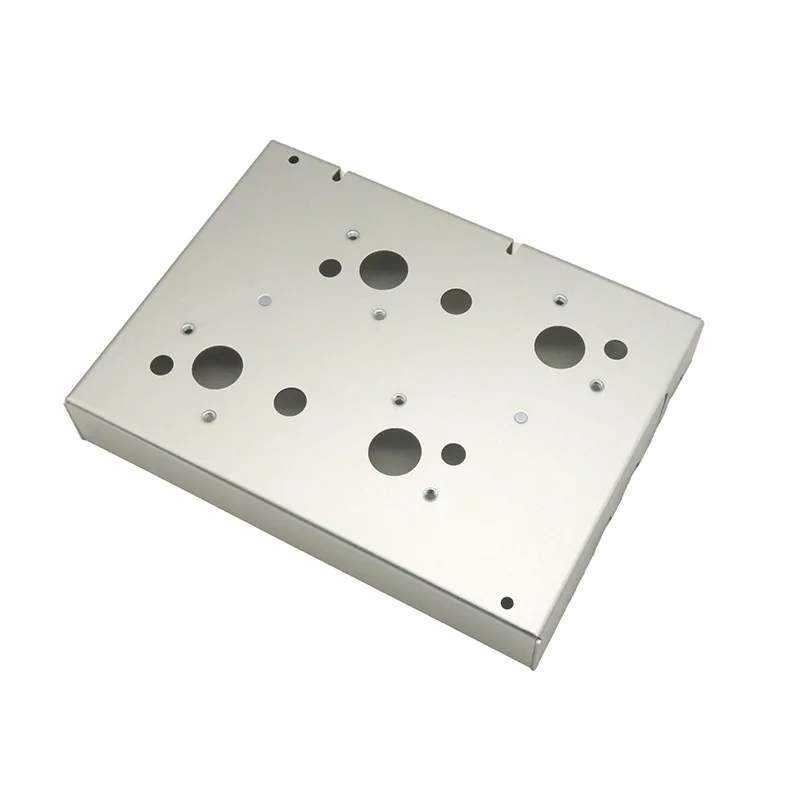
Equipment Base Plate
Open tray base plate with pre-installed PEM inserts and standoff screws. Multiple mounting holes for PCB and component installation.
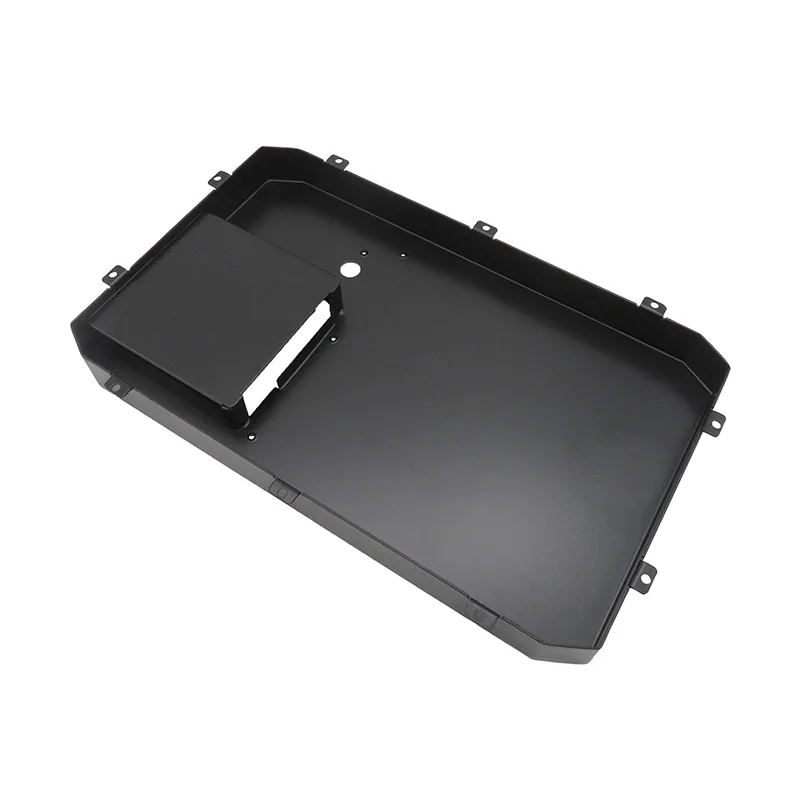
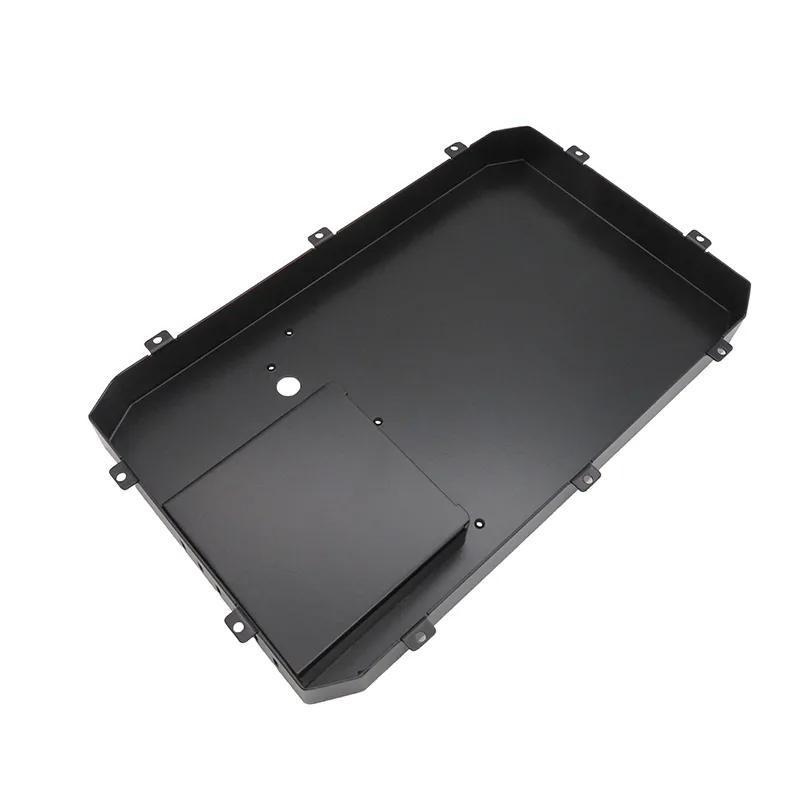
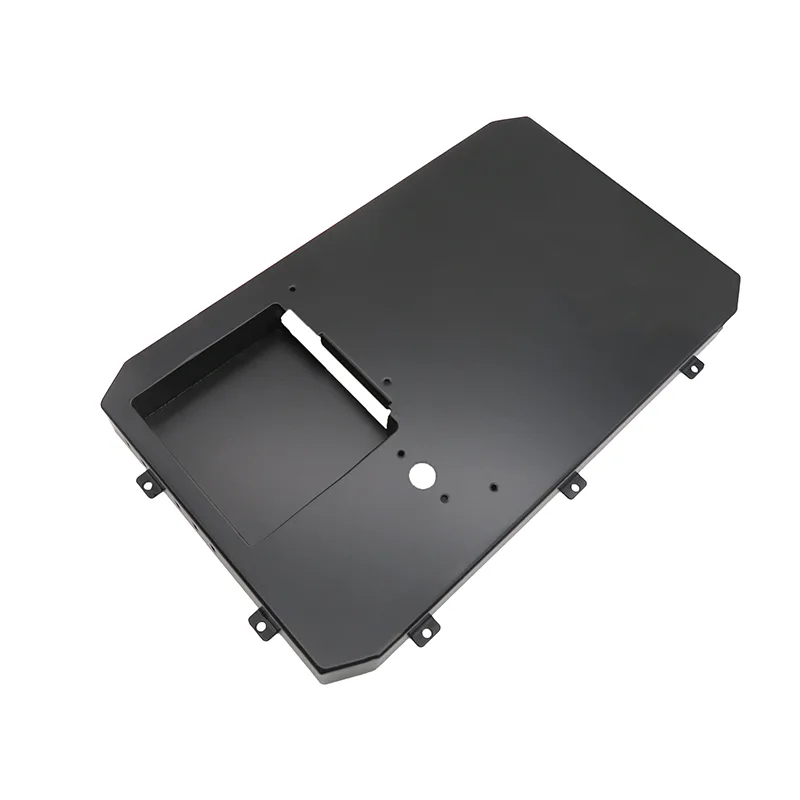
Equipment Base Plate (Type B)
Large black equipment base tray with raised edges, mounting tabs, and raised sub-compartment. Structural base for larger equipment.
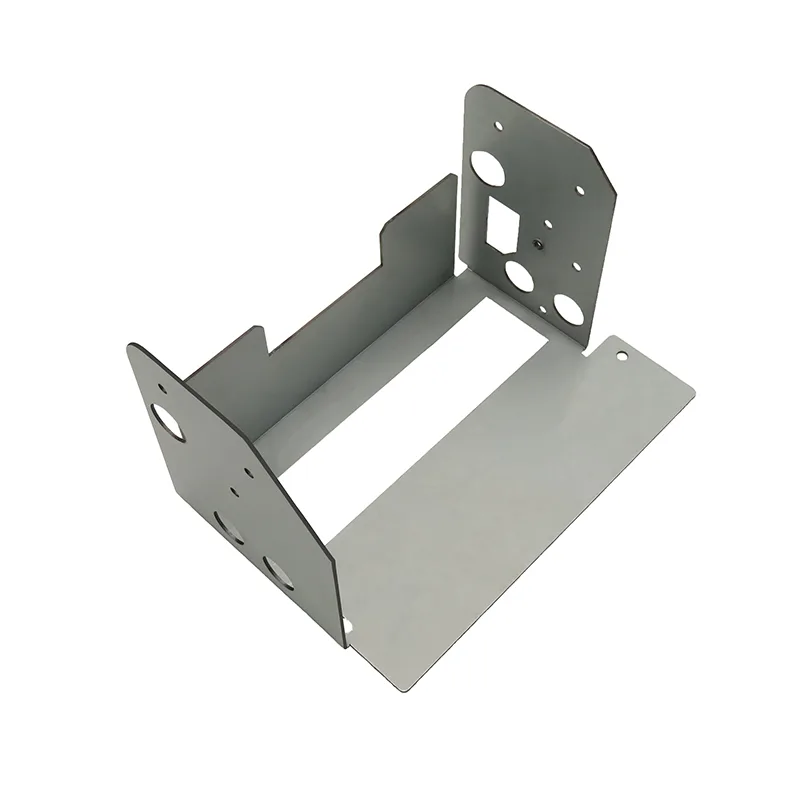
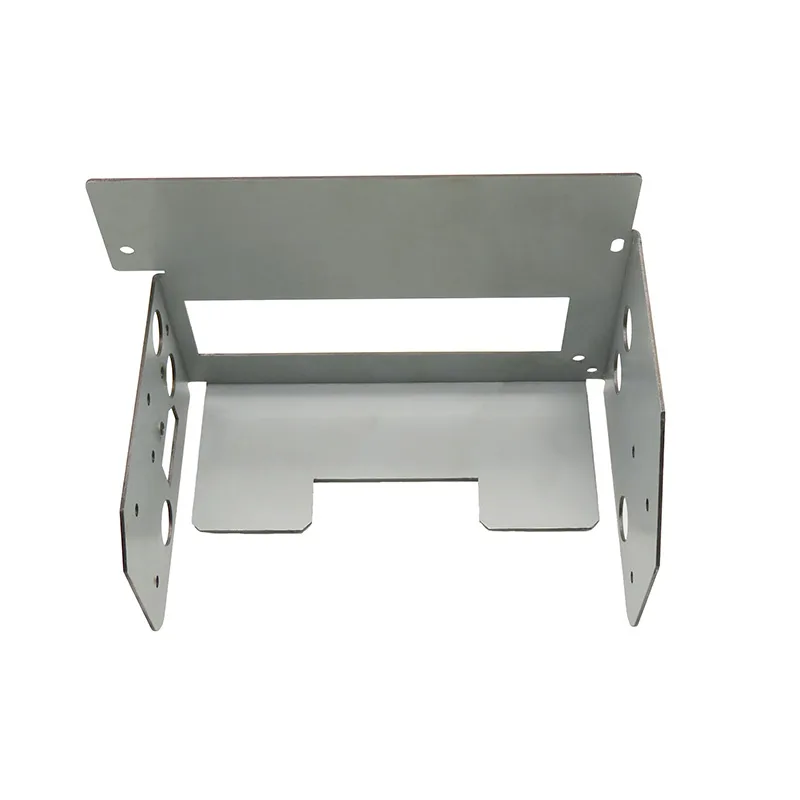
Inspection Equipment Housing
Open-frame housing for inspection and measurement equipment. Multiple internal mounting points with standoff posts.
Semiconductor Equipment Base
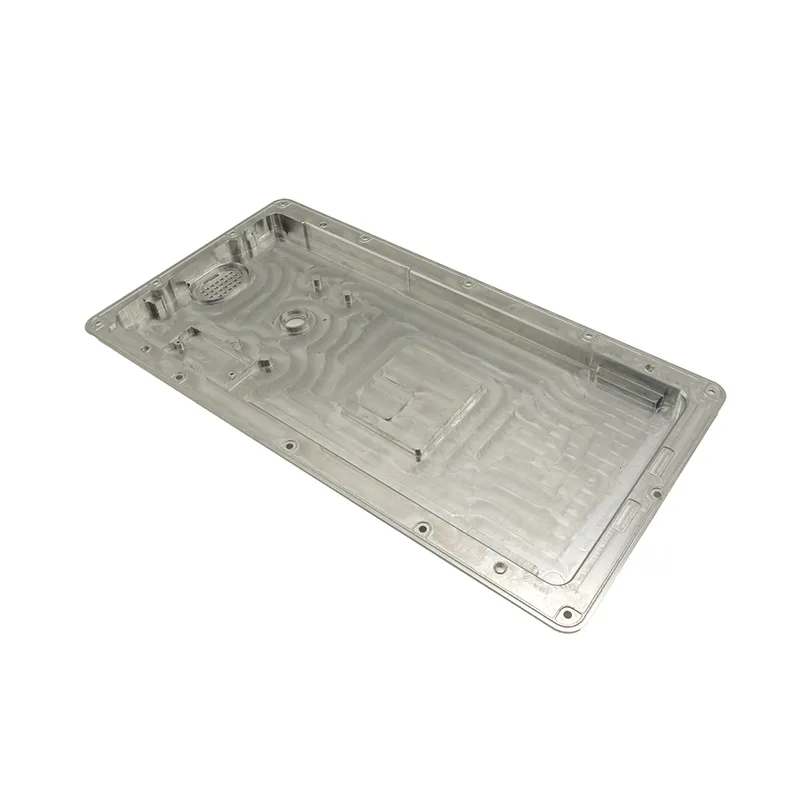
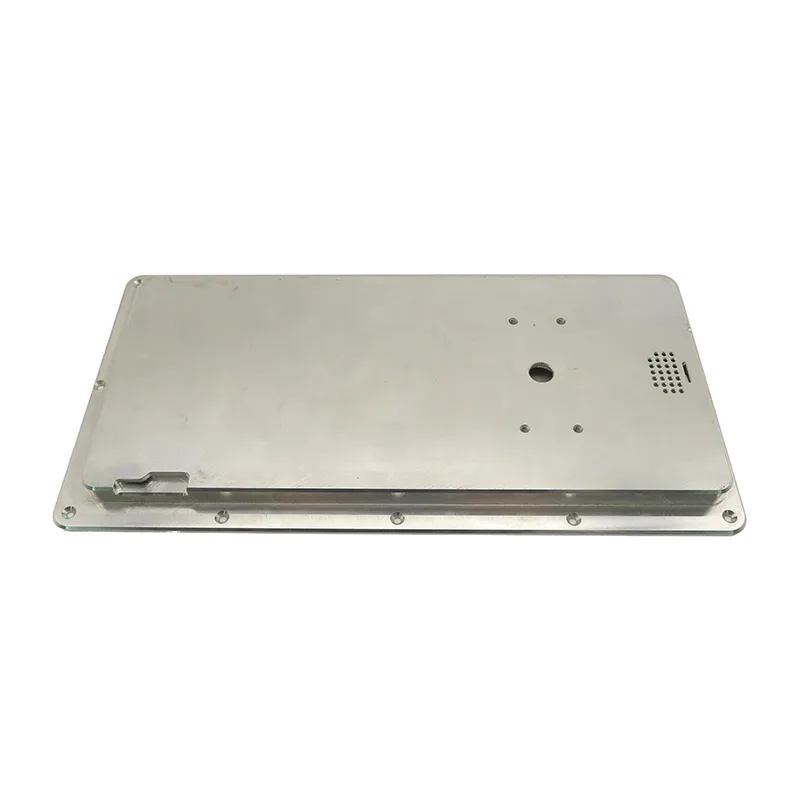
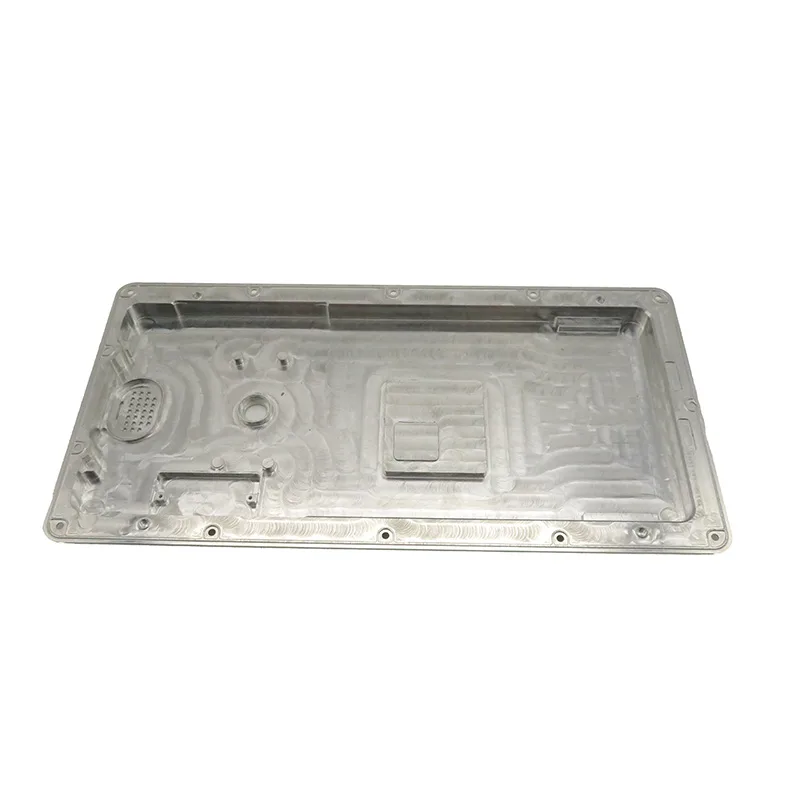
Precision CNC-machined aluminum base plate with complex internal cooling channels and mounting features. Mirror-finish mating surfaces.
Stainless Instrument Housing
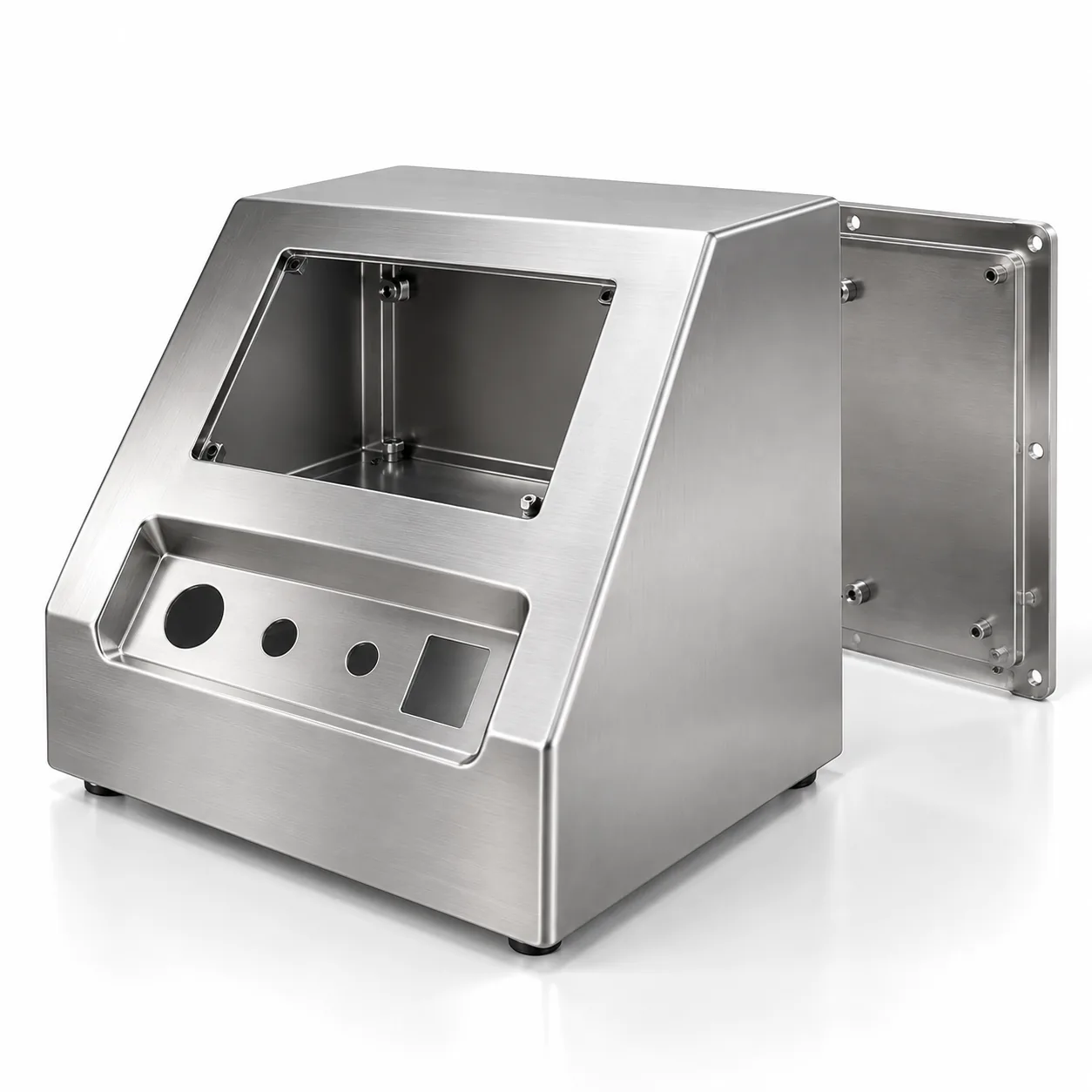
Five-sided bench-top instrument housing in 304 stainless with a removable rear panel, an angled front face carrying the display aperture, and a recessed control area. External welds are ground flush and blended, then the part is passivated.
Laser Cutter/Engraver Frame
Structural frame and gantry for CO2 and fiber laser machines. Rigid platform for precision motion accommodating laser tube, mirrors, and exhaust. Desktop laser boom drives demand.
All Equipment sheet metal parts
- Equipment Base Plate
- Equipment Base Plate (Type B)
- Inspection Equipment Housing
- Semiconductor Equipment Base
- Stainless Instrument Housing
- Laser Cutter/Engraver Frame
- CNC Machine Guard/Enclosure
- SMT Machine Enclosure
- Semiconductor Equipment Housing
- Inspection/Measurement Equipment Housing
- Packaging Machinery Parts
- Printing Machinery Parts
- Injection Molding Machine Housing
Specifications we produce
- Material
- AL5052-H32 aluminum 2.0mm · AL5052-H32 aluminum 1.5mm · AL6061-T6 aluminum 25mm · SUS304 stainless steel 1.2mm, 2.0mm base · SPCC 2.0–3.0mm / AL5052 2.0mm · SPCC 1.5mm + polycarbonate windows · AL5052-H32 1.5mm / SPCC 1.2mm · AL6061-T6 2.0mm / SUS304 1.5mm · AL6061-T6 aluminum 2.0mm · SUS304 1.5mm / AL5052 2.0mm · SUS304 1.2mm / AL5052 2.0mm · SPCC steel 2.0mm
- Tolerance
- ±0.1mm · ±0.2mm · ± 0.10 mm · ± 0.1 mm · ± 0.02 mm · ± 0.03 mm
- Manufacturing processes
- Laser Cutting · CNC Bending · Hardware Insertion · Precision Laser Cutting · TIG Welding · CNC Milling · Wire EDM · Passivation · MIG Welding · CNC Machining · Cleanroom Assembly
- Surface Finish
- Bead-blasted aluminum · Powder coat black · As-machined · Brushed, external welds dressed flush, passivated · Powder coat or anodizing · Powder coat RAL 7035, chip-resistant · Anti-static powder coat · Electropolishing + anodizing, cleanroom grade · Hard anodizing Type III, 50µm · Brushed stainless or anodizing · Powder coat RAL 7035
Equipment and machinery sheet metal: where precision meets abuse
Printing presses, SMT lines, semiconductor tools and injection moulding machines all need guards, covers and precision plates that must survive a production environment while holding alignment. The mix is unusual: a semiconductor shielding plate and a machine side cover can come off the same line, with tolerance bands an order of magnitude apart.
What they share is a customer whose machine is the product. Fit, alignment and documentation have to support the customer’s own assembly and service operation, not just the shipment.
- Typical equipment parts we manufacture
- Laser cutter and CNC machine frames and guards
- SMT line covers and conveyor shrouds
- Semiconductor tool shielding plates and covers
- Printing press ink duct and plate-holder parts
- Injection moulding machine guards and access panels
- Tolerance bands should be stated per feature, not per part
- A cover does not need ±0.05 mm; a locating plate does. When the drawing assigns tolerances by function rather than globally, the part gets cheaper and the critical features get tighter. We flag drawings that carry one tolerance blanket over everything.
- Shielding plates are a surface and an earthing story
- EMI and RFI shields work through contact. Contact points need conductive finishes (bare metal, chromate, or plating), not paint. We ask where the contact points are before finishing, because masking them is a defined process step.
- Access panels define the maintenance experience
- Hinge choice, latch type and the weight of a removable panel are engineering decisions that the machine’s service manual inherits. We build to the customer’s hardware standard and confirm the panel weight so one technician can handle it.
- Material and finish choices for equipment sheet metal
- SPCC and SGCC dominate for covers; 304/316 stainless for washdown and chemical exposure; aluminium where mass or thermal behaviour matters. Powder coat with an anti-scratch requirement on operator-facing surfaces; conductive or chromate finishes on shielding contact areas; anodising on precision aluminium plates.
- Quality records equipment buyers ask for
- Dimensional reports against the datum, surface roughness records where a finish is specified, coating thickness, and material certificates. For parts that go into certified machines, we keep the drawing revision and inspection records aligned so the customer’s CE or UL file stays coherent.
What we make, not just who for
Enclosures, cabinets, chassis, brackets, panels and frames — with the design constraints each one comes with.
Sheet metal engineering guides
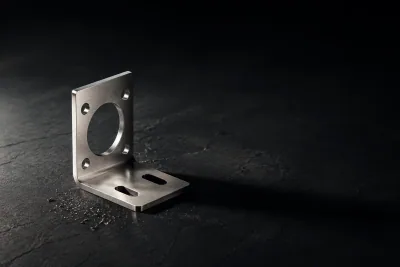 8 Proven Ways to Cut Sheet Metal Costs Without Sacrificing QualityFrom bend radius optimization to material nesting — eight actionable design and sourcing strategies that reduce cost while maintaining part performance.Read More
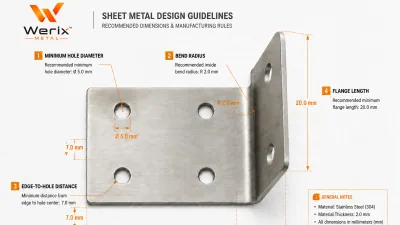 DFM for Sheet Metal: Essential Design Rules That Save Cost and Prevent Production FailuresDesign-for-manufacturing rules for sheet metal — minimum hole sizes, bend radii, edge distances, tab-and-slot design, and common mistakes that cause scrap.Read More
Have a custom part in mind?
Upload your product files or describe your specs — our engineers will return a quote with material, process, and cost details within 24 hours.